We are a small group of like-minded people and meet every 3. Wednesday of odd-numbered
months to pursue our hobby. Here we will try to show what we craft.
Nous sommes un petit groupe de personnes, partageant les mêmes idées et nous nous
réunissons tous les 3 mercredi des mois impairs pour poursuivre notre passetemps.
Ici nous essaierons de montrer ce que nous fabriquons.
Wir sind eine kleine Gruppe von Gleichgesinnten und treffen uns jeden 3. Mittwoch von den
ungeraden Monaten um unser Hobby zu betreiben. Wir werden versuchen, hier zu zeigen
was wir so basteln.

Welcome

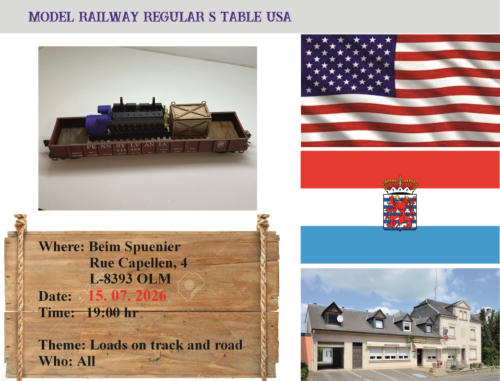
Our next meeting - Notre prochain rendez-vous - Unser nächstes Treffen
NEWS on pages:











Claude
Jean -
Claude
Armand
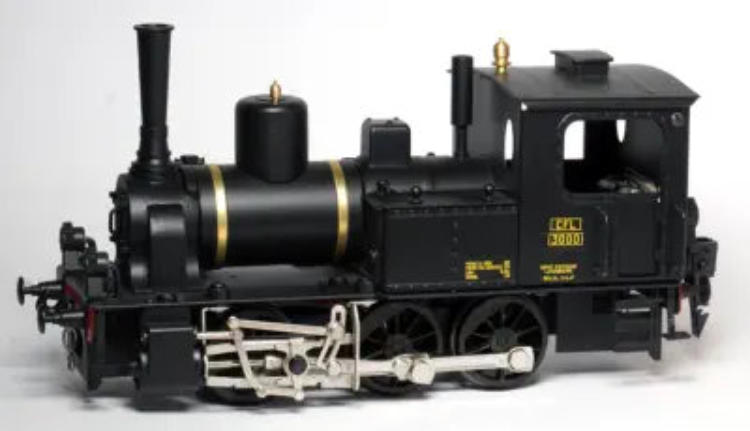
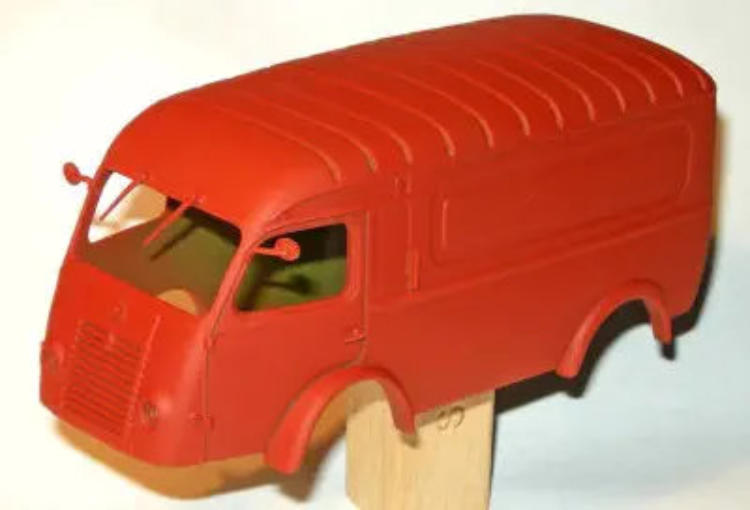
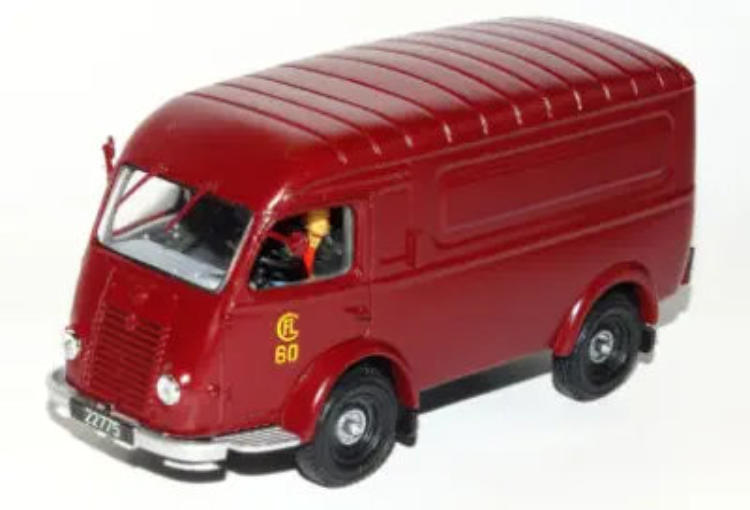
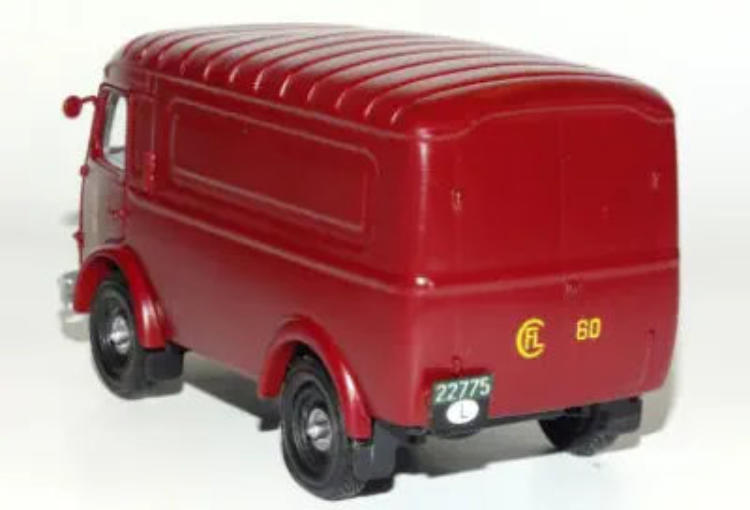
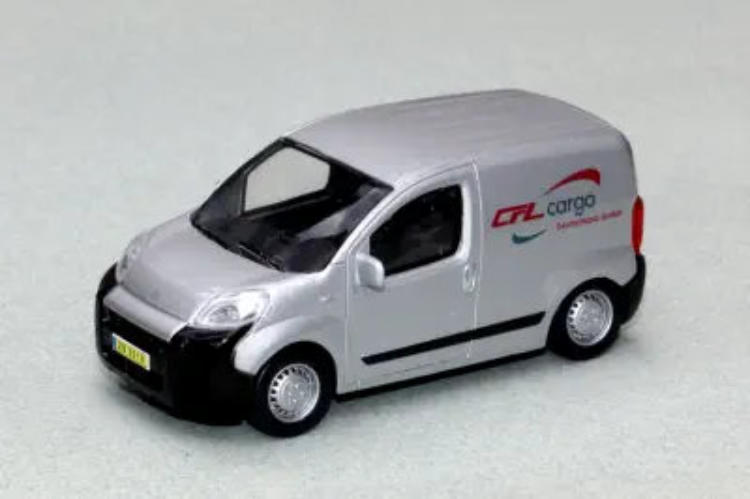
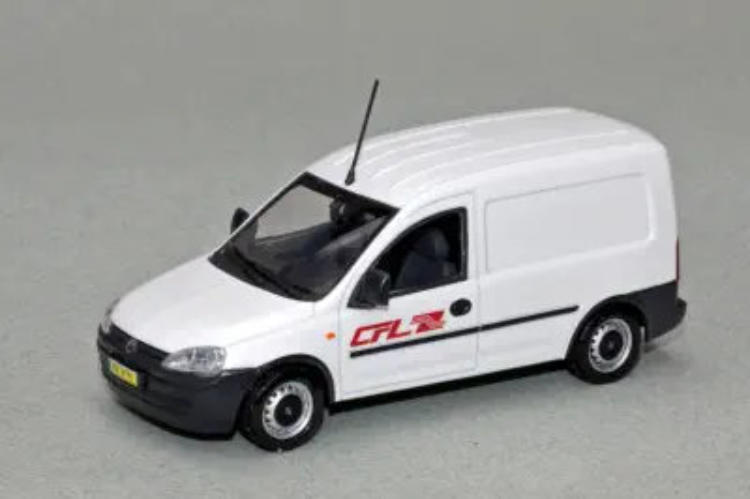
Renault CFL O scale
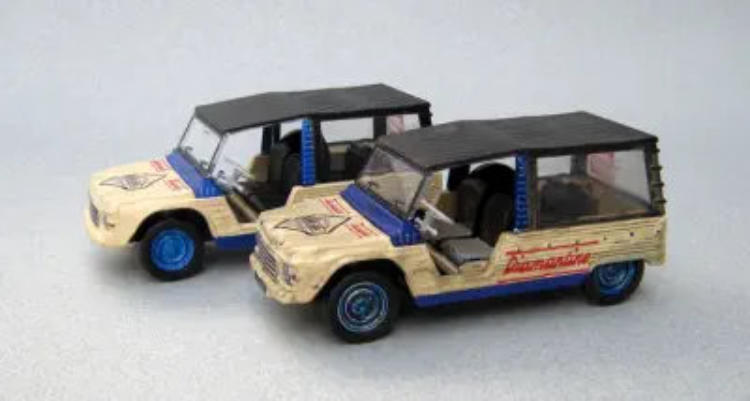
Camion Provencale O scale
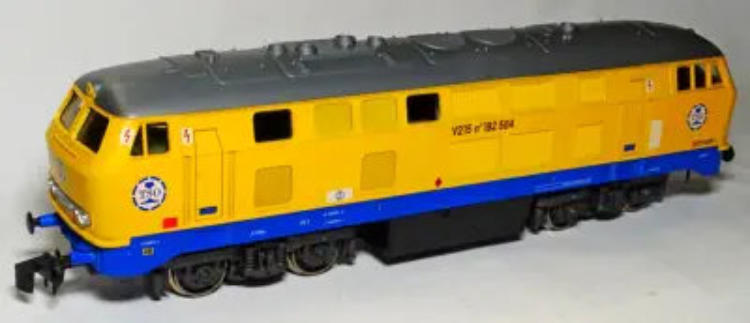
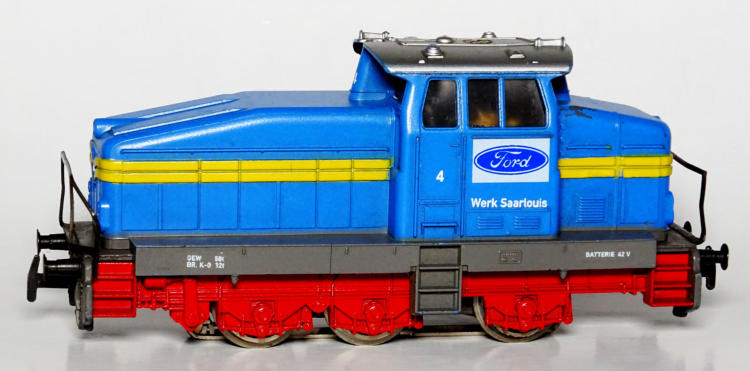
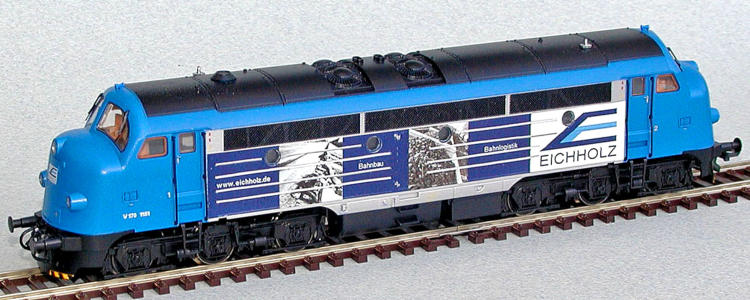
Locos O scale
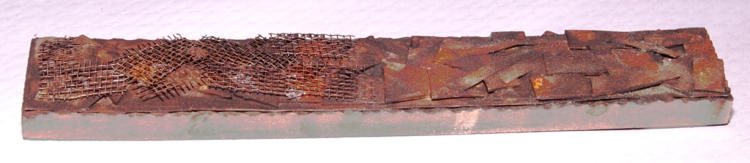
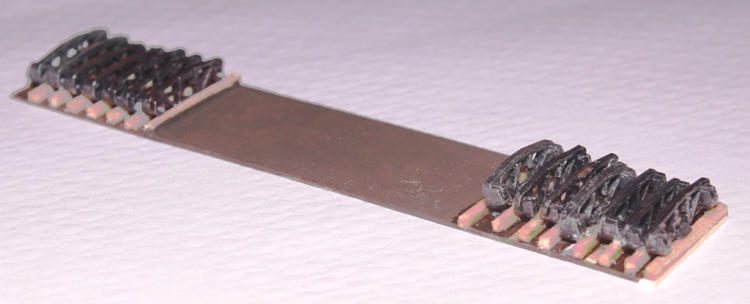
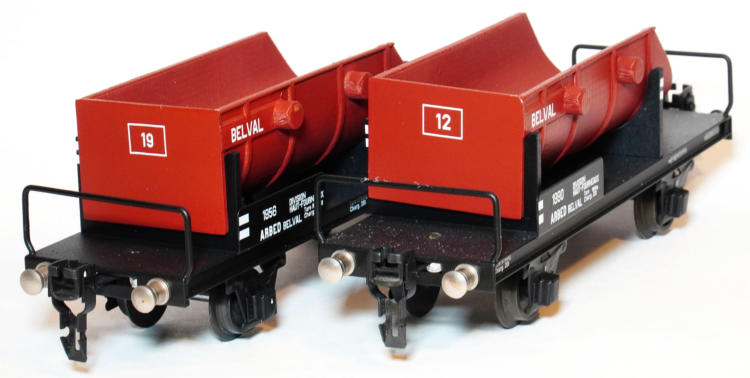
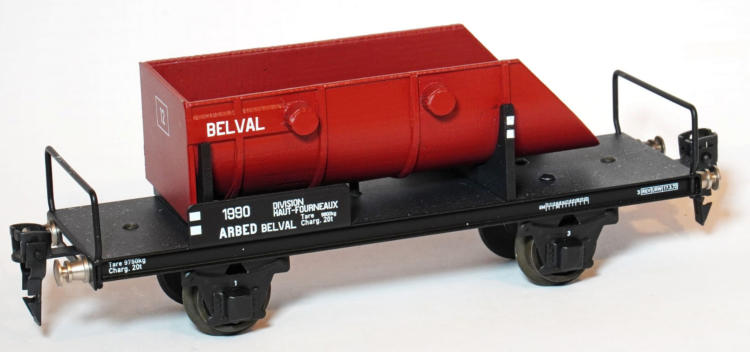
O Scale Arbed Scrape Pan
Cars O scale
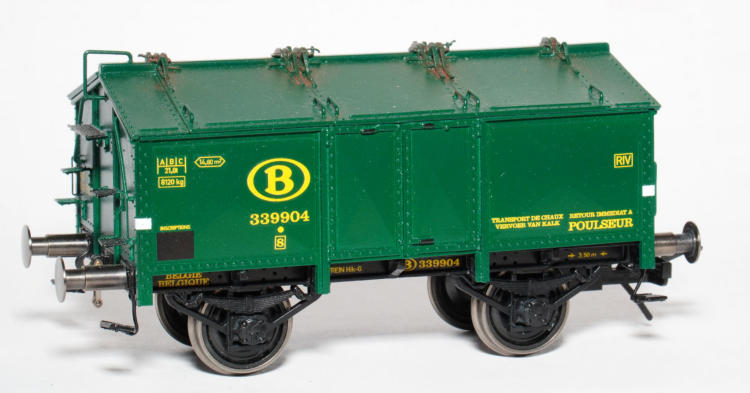
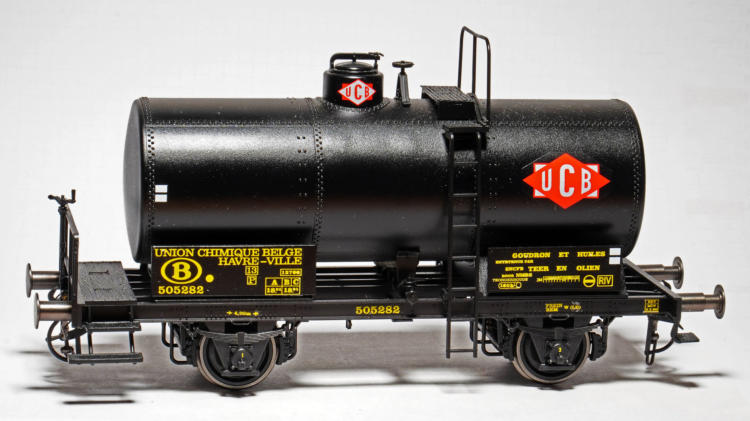
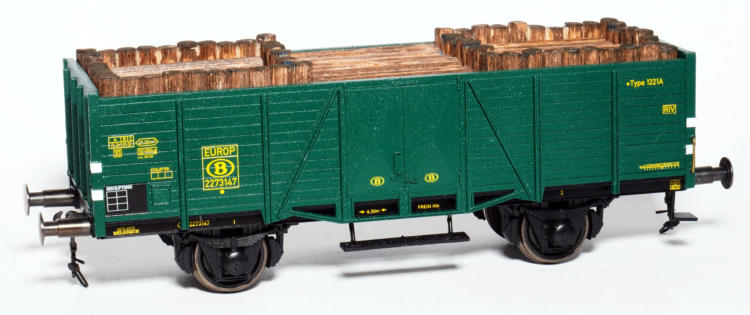
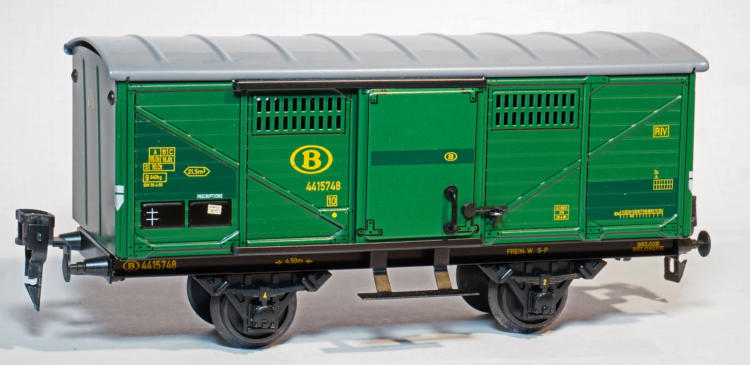
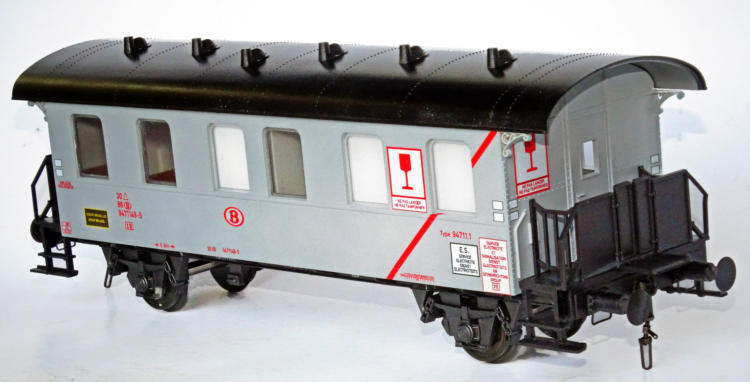
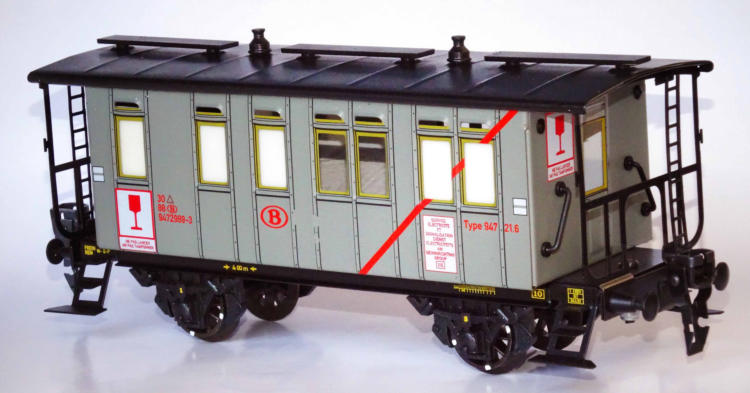
Belgium Rolling stock O scale
Rolling stock HO scale

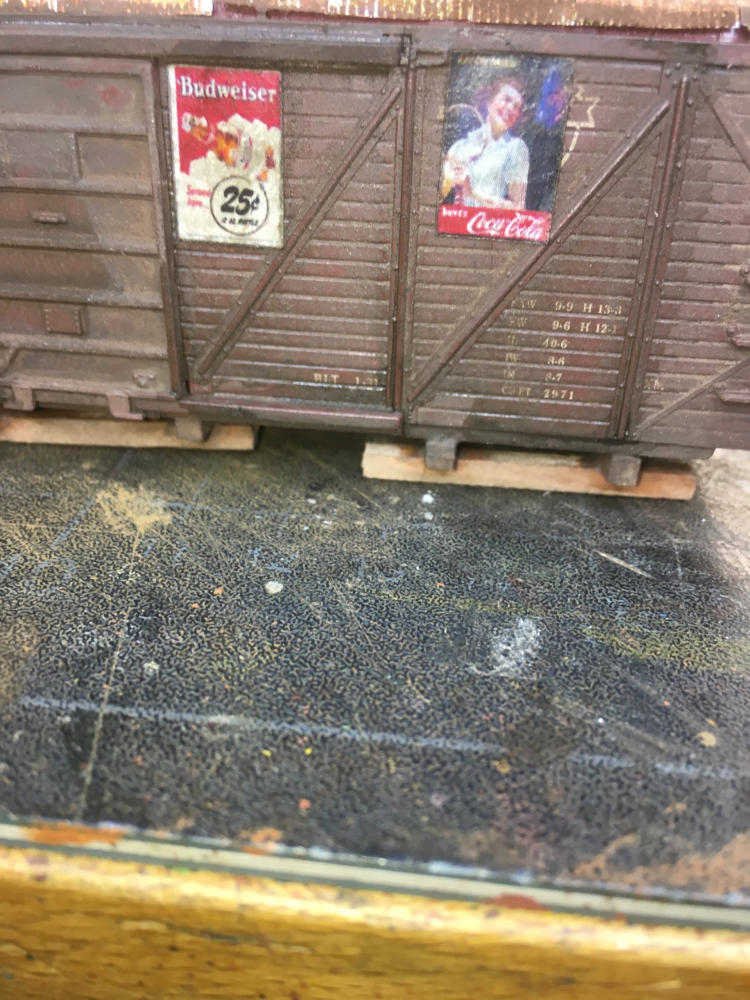
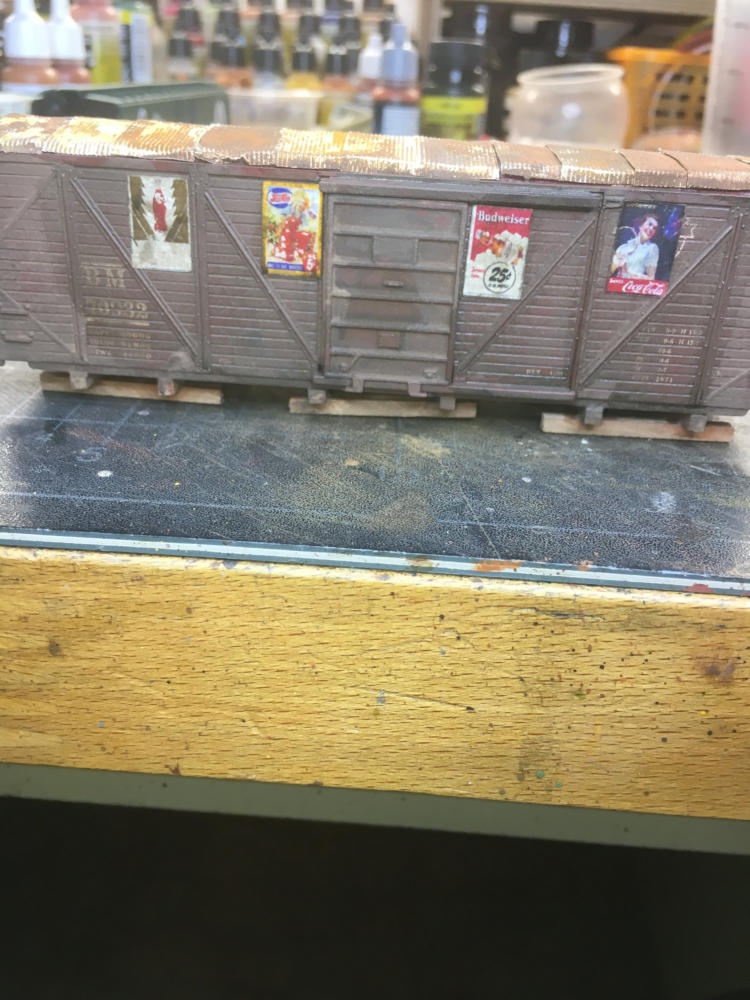
Box car under construction HO scale
Selfmade cars HO scale
Transformed cars & trucks HO scale
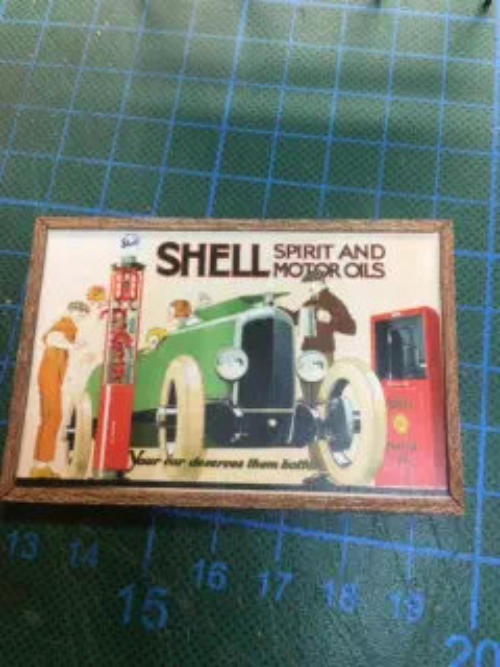
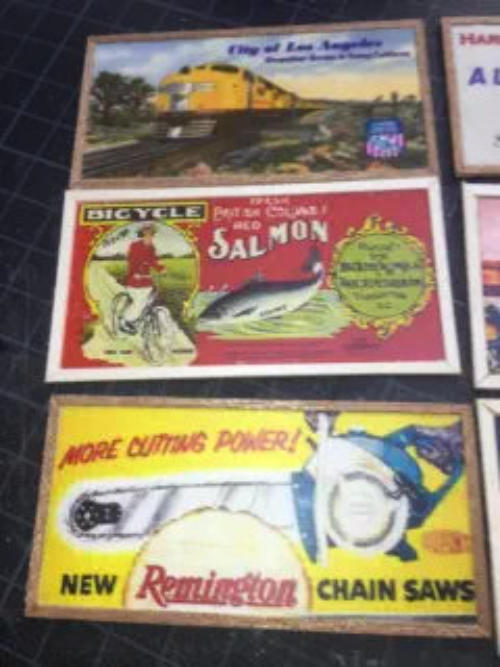
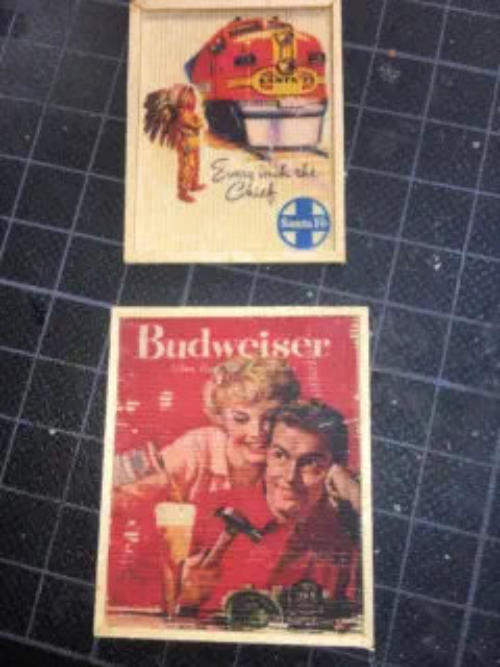
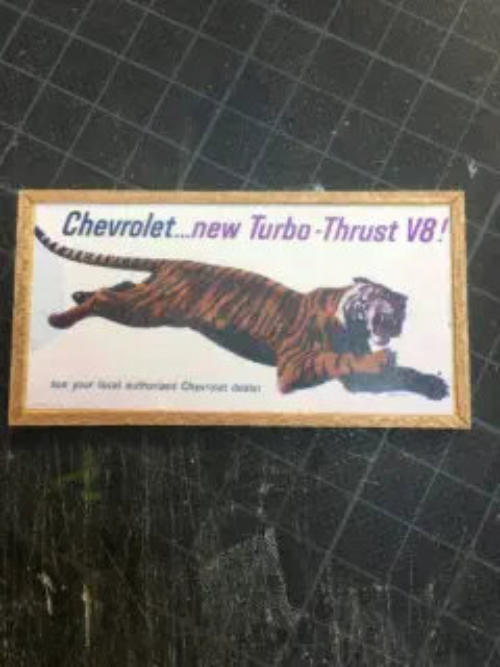
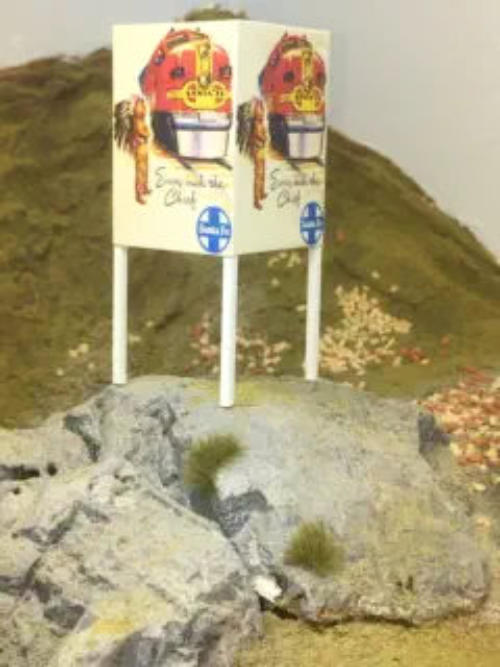
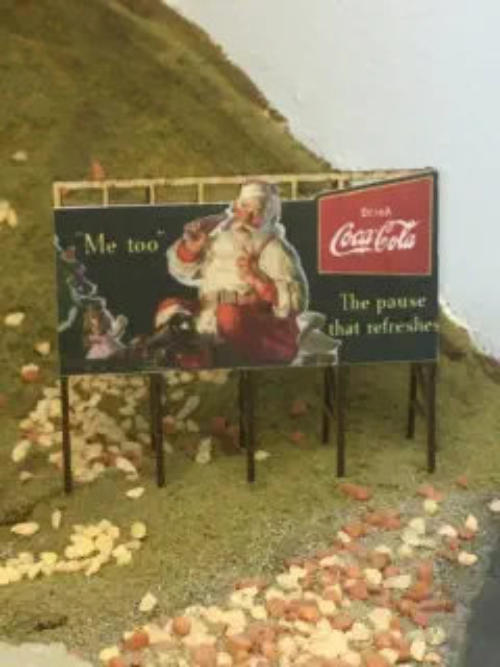
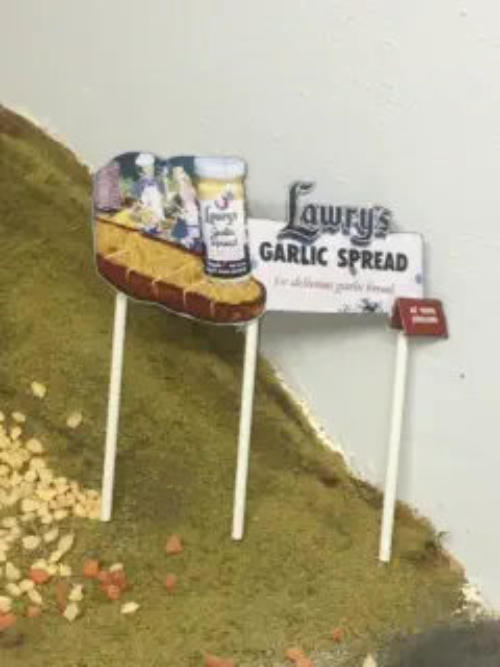
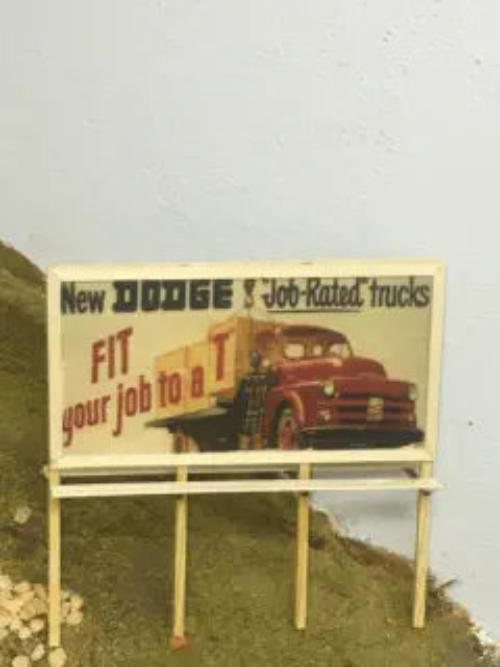
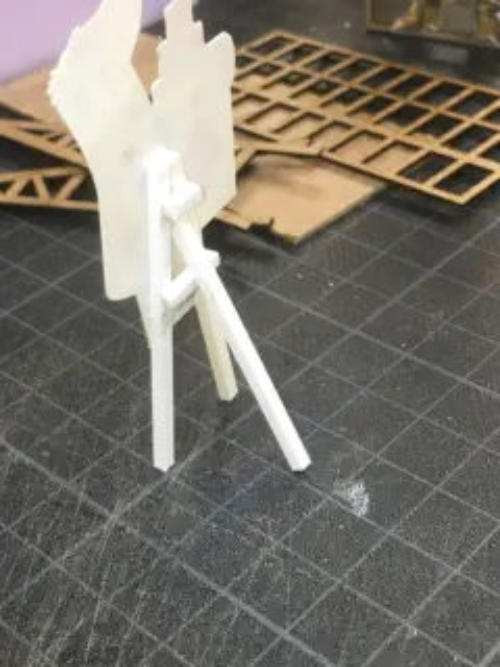
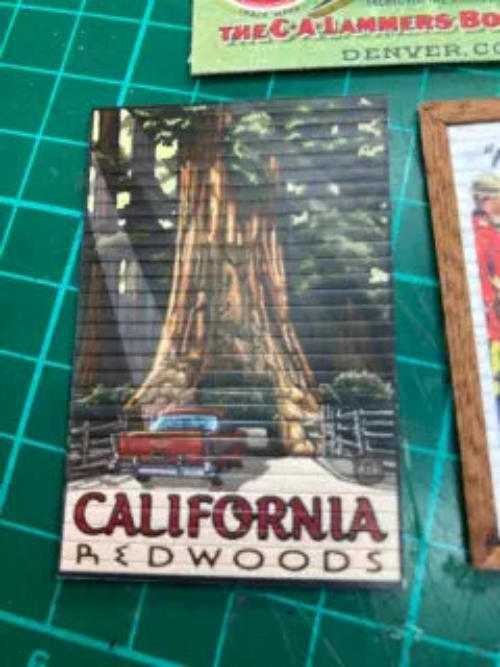
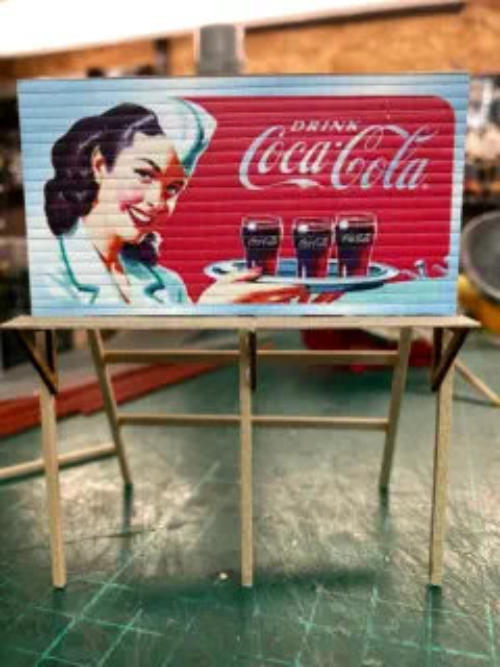
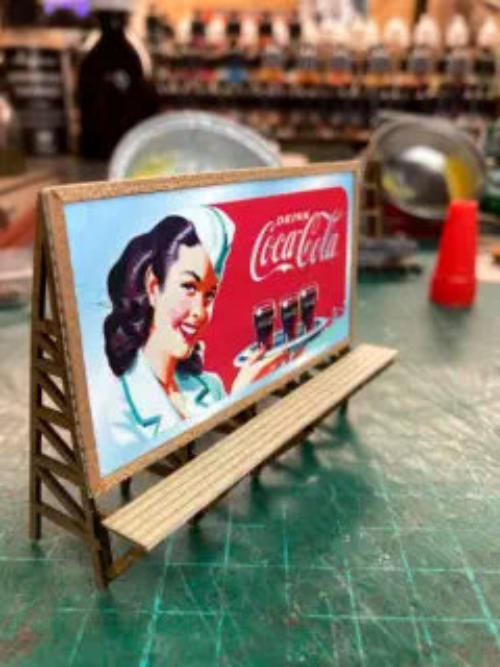
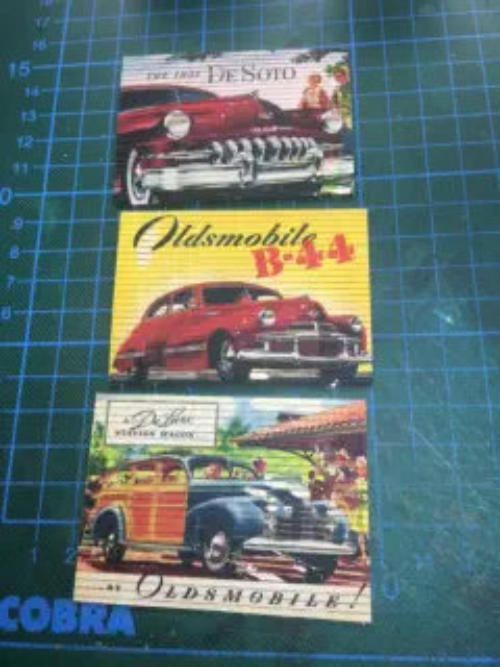
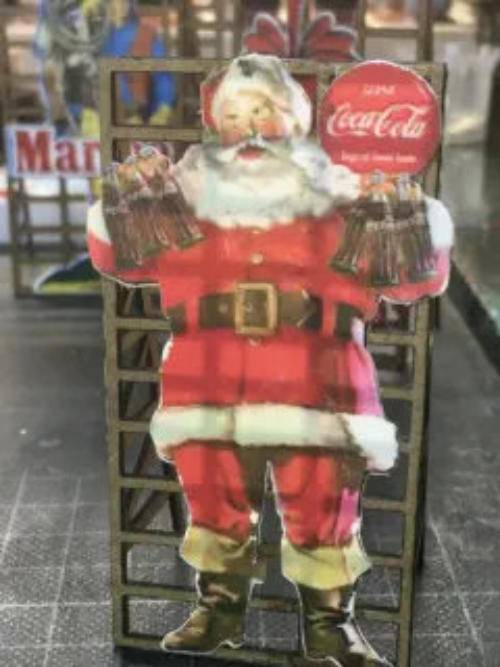
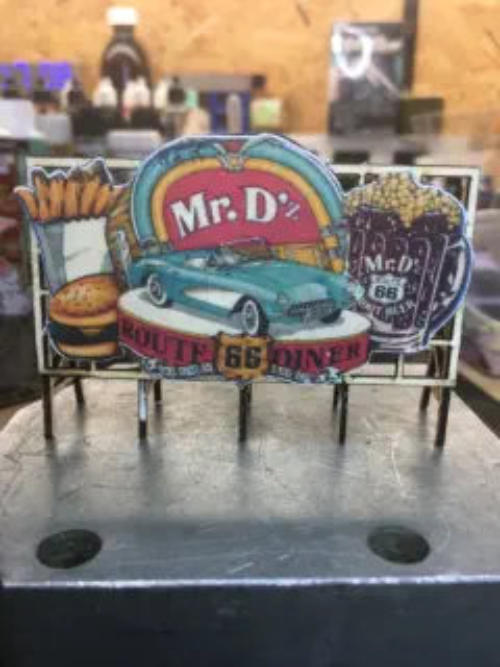
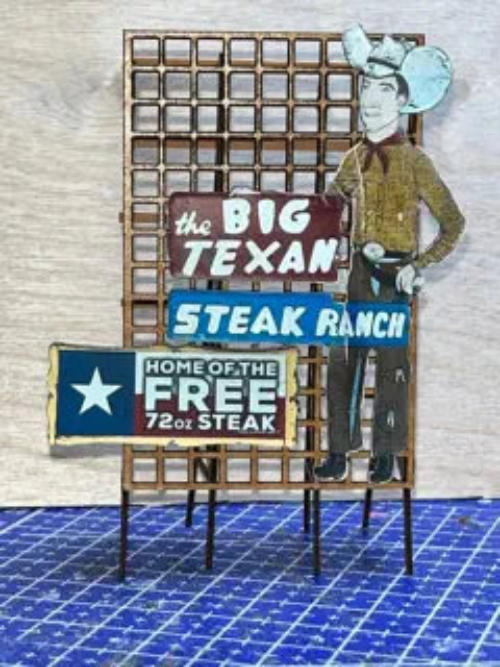
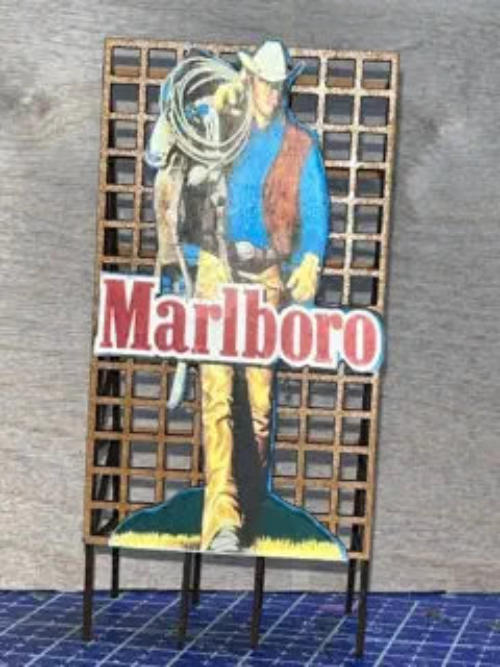
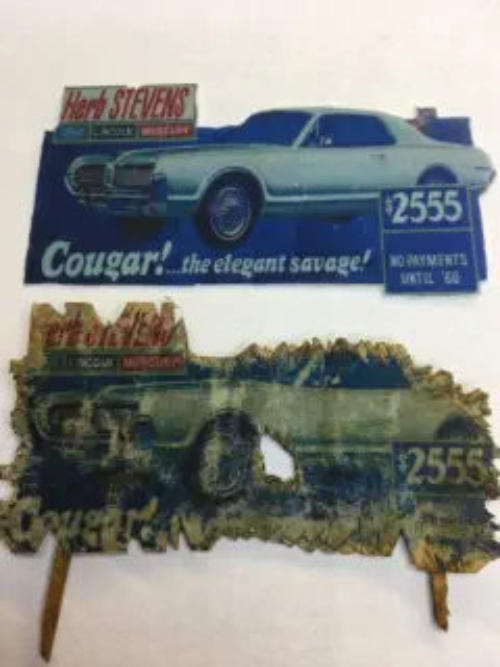
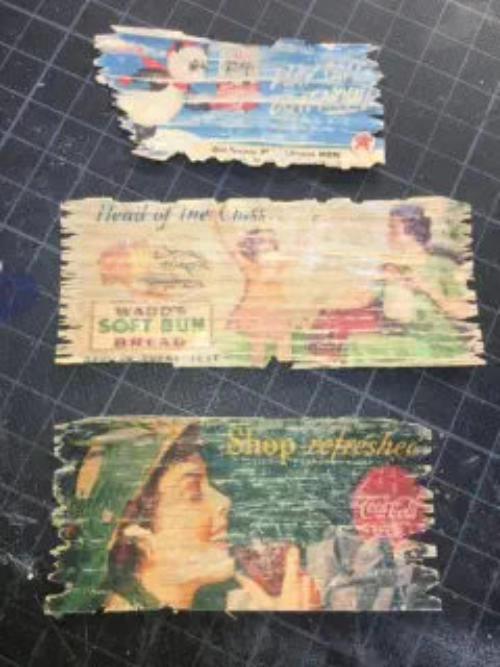
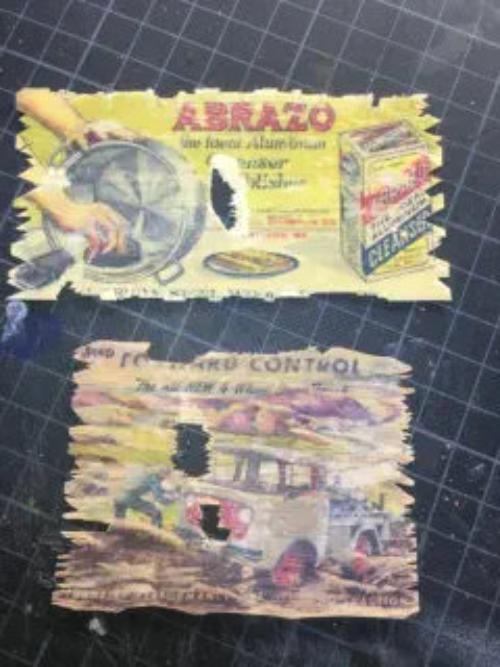
Billboards (USA - FR- DE) HO scale
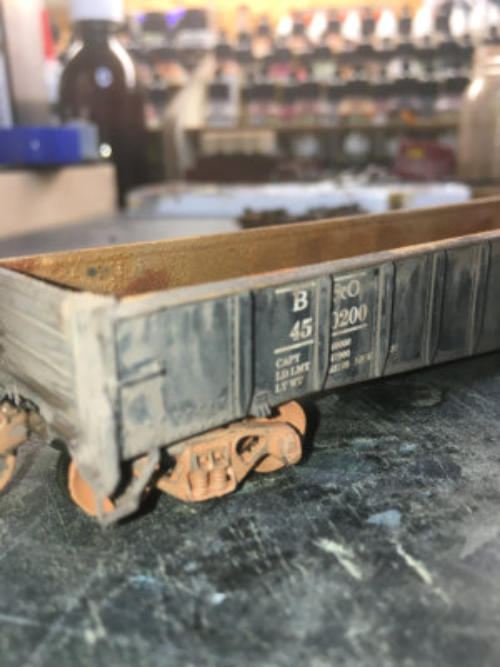
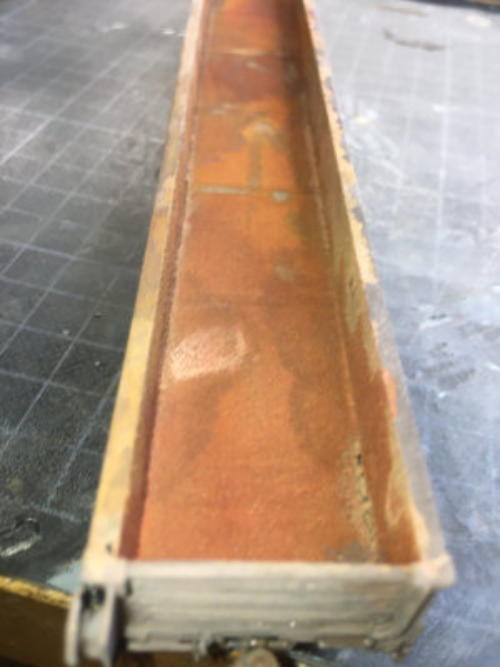
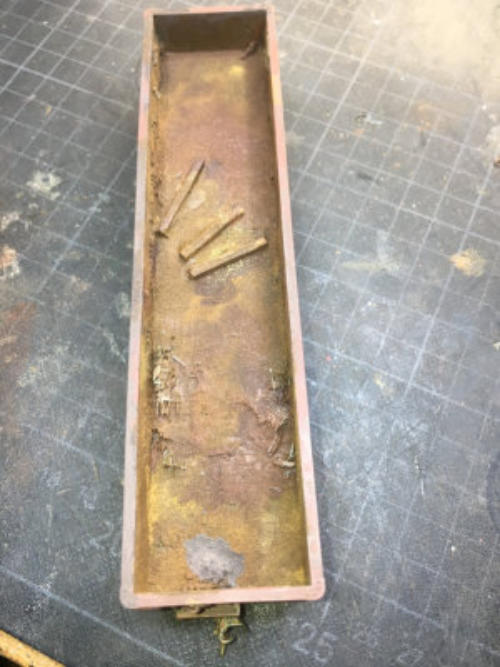
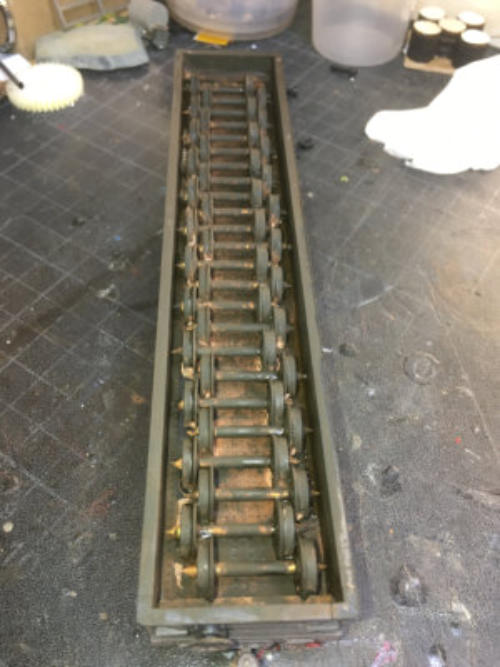
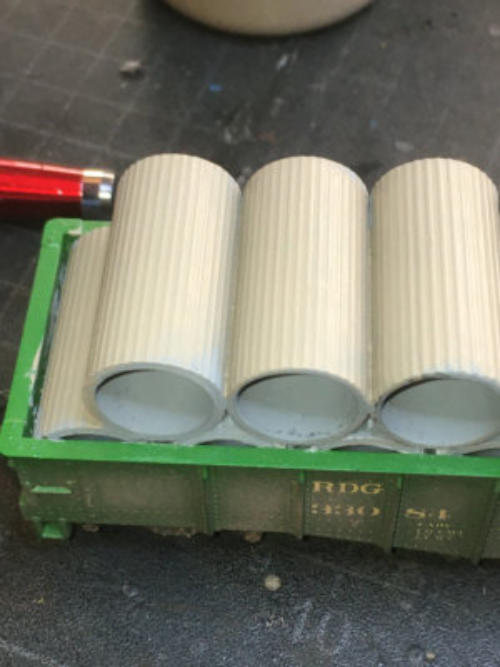
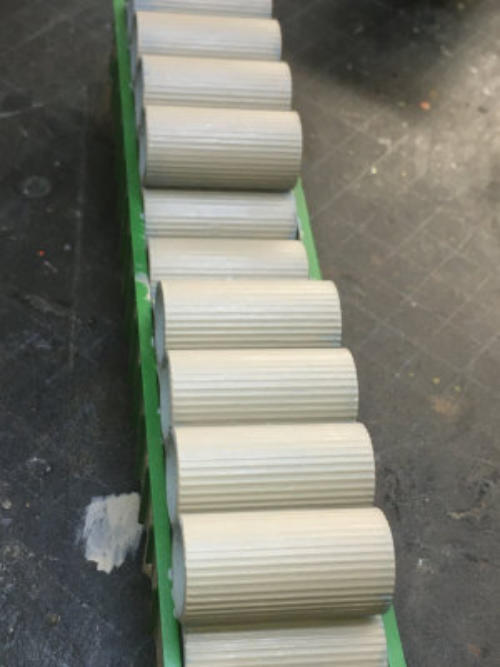
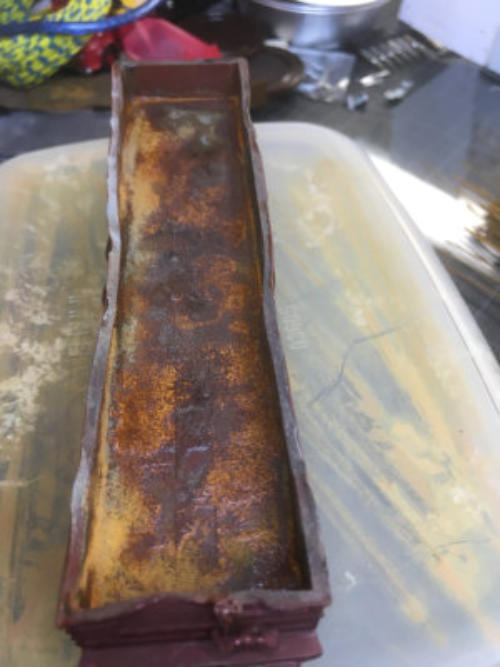
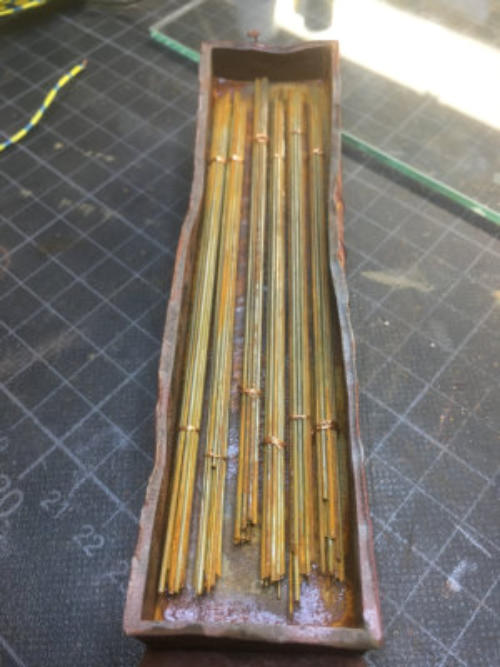
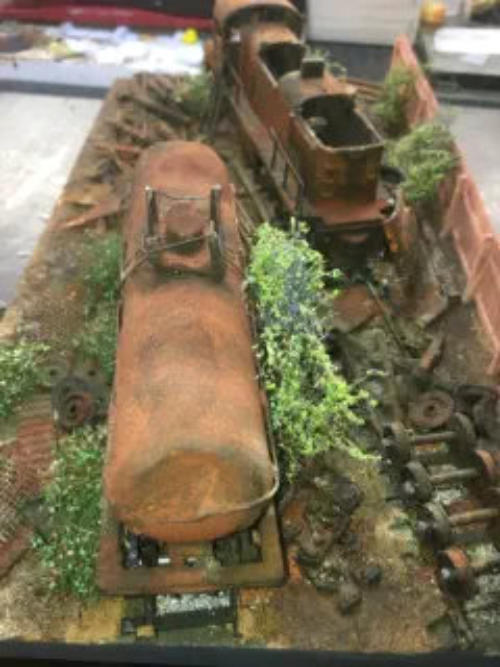
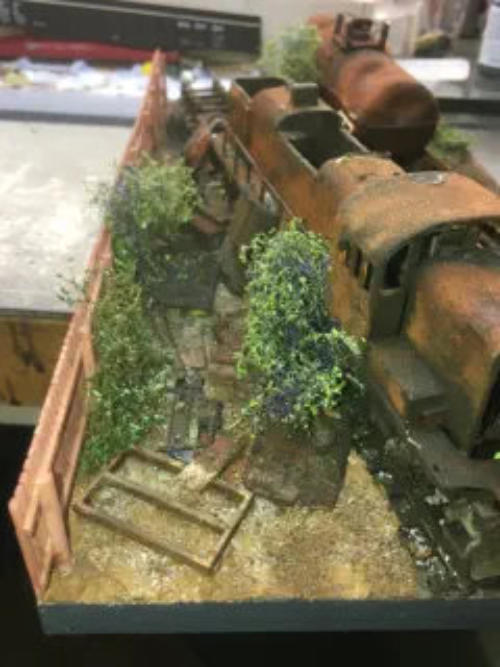
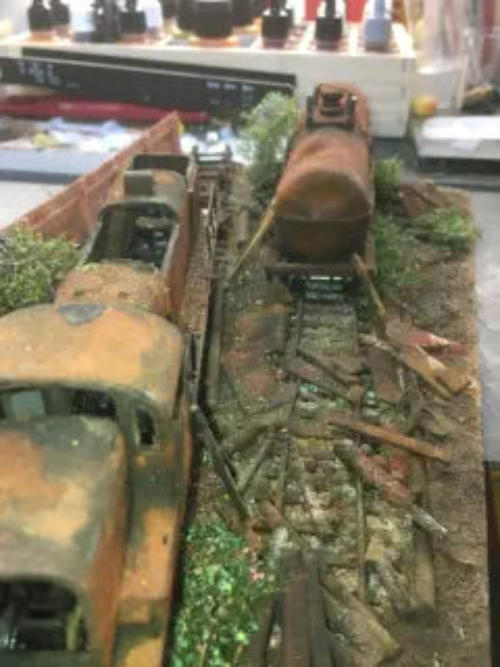
Rusty Condola HO scale
Loco scrap HO scale
Used cars HO scale
Building
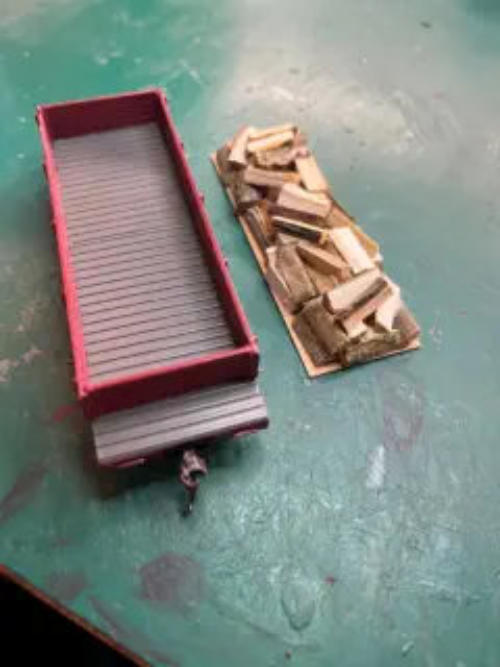
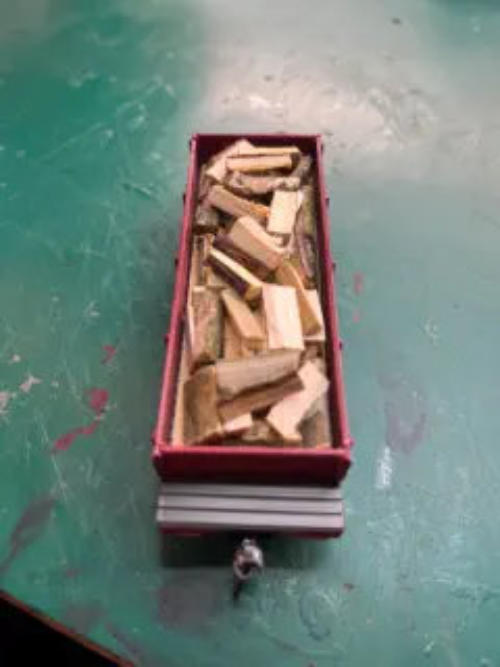
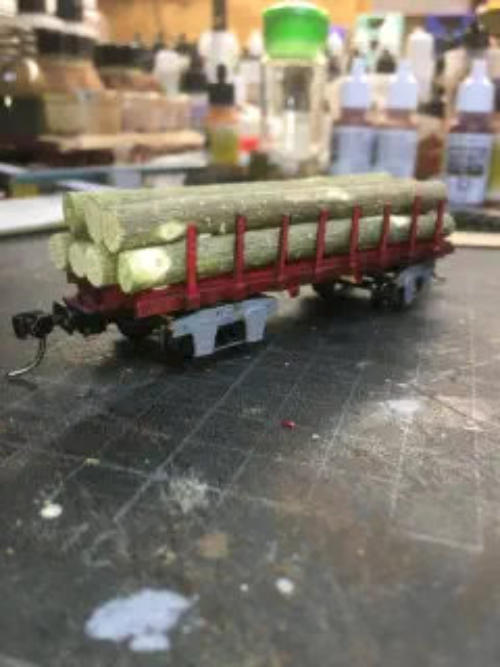
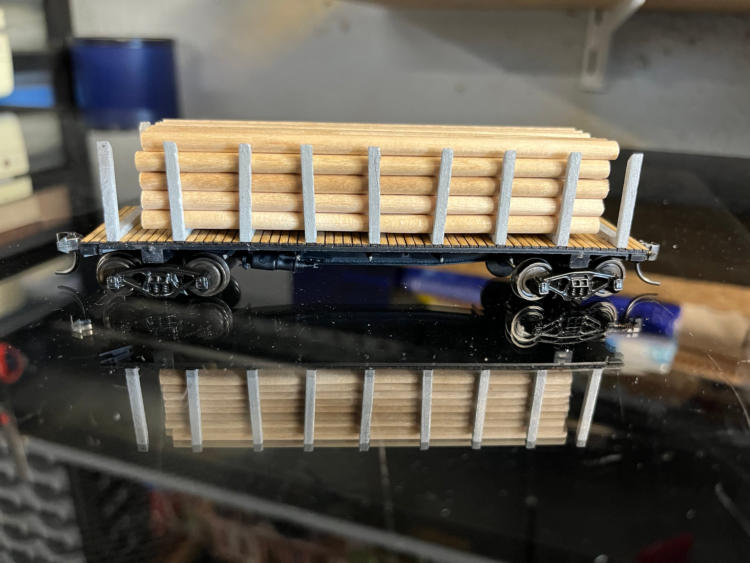
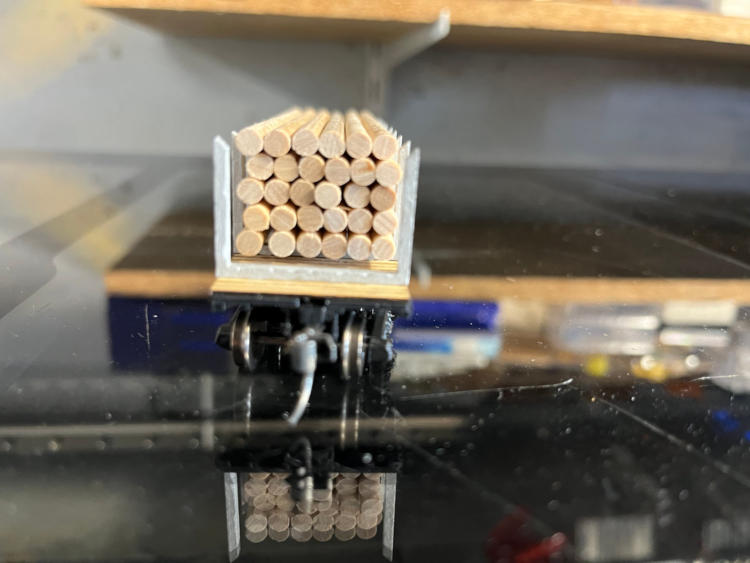
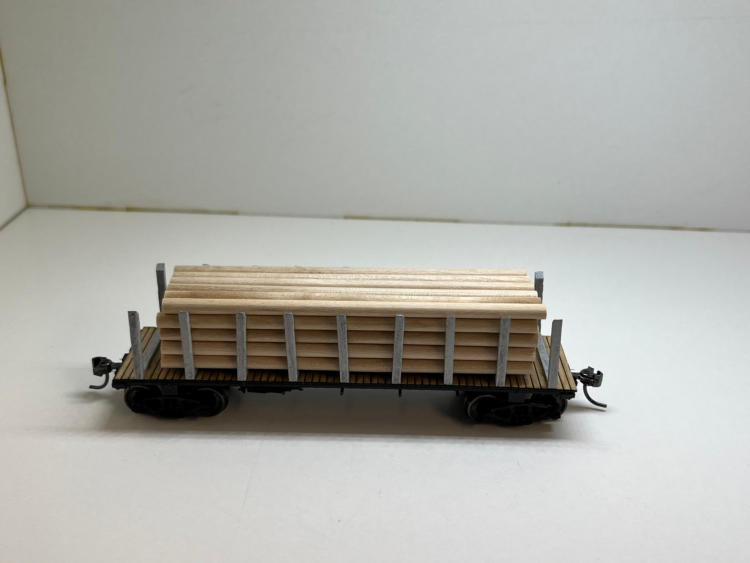
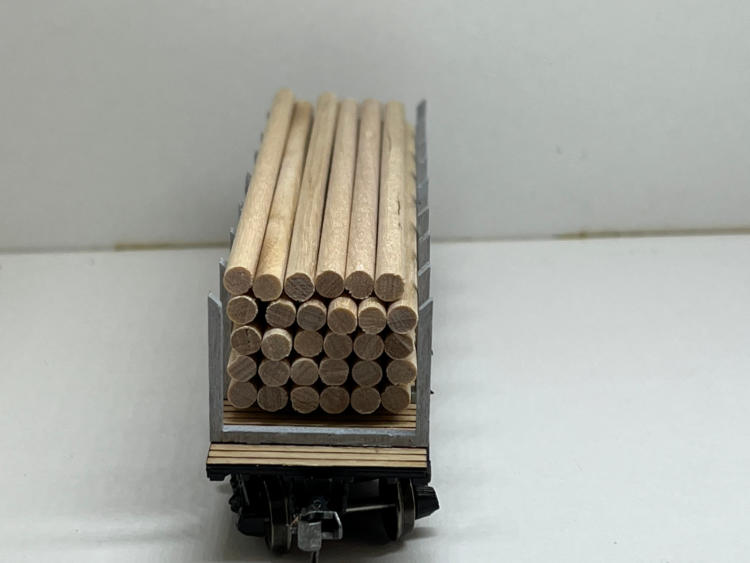
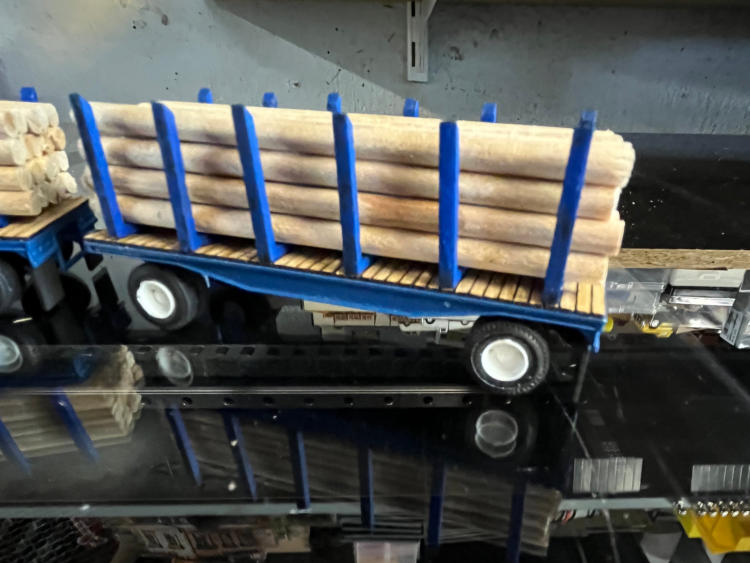
Wood Transport
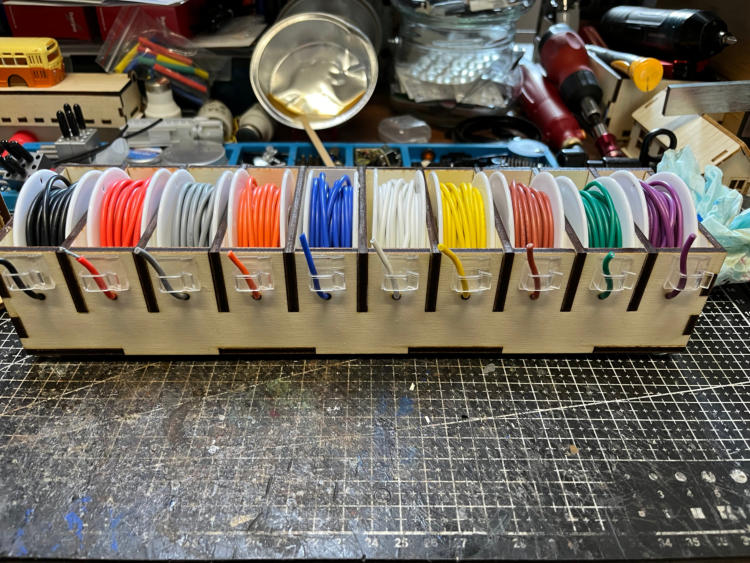
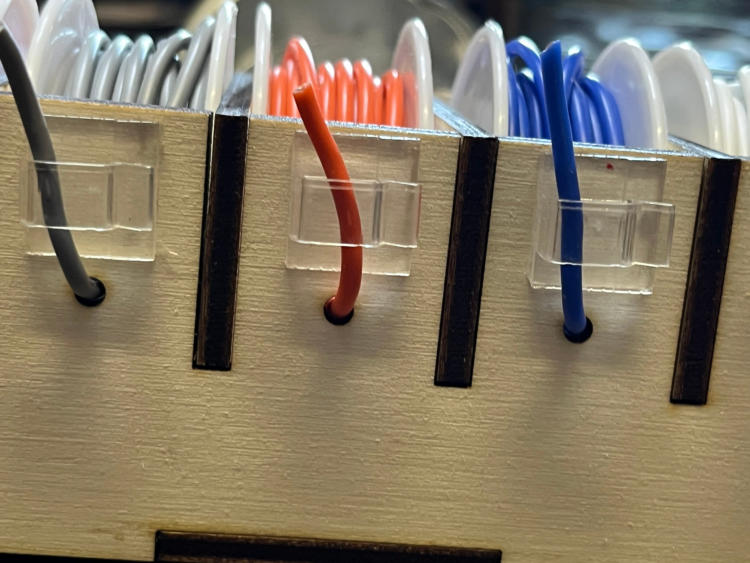
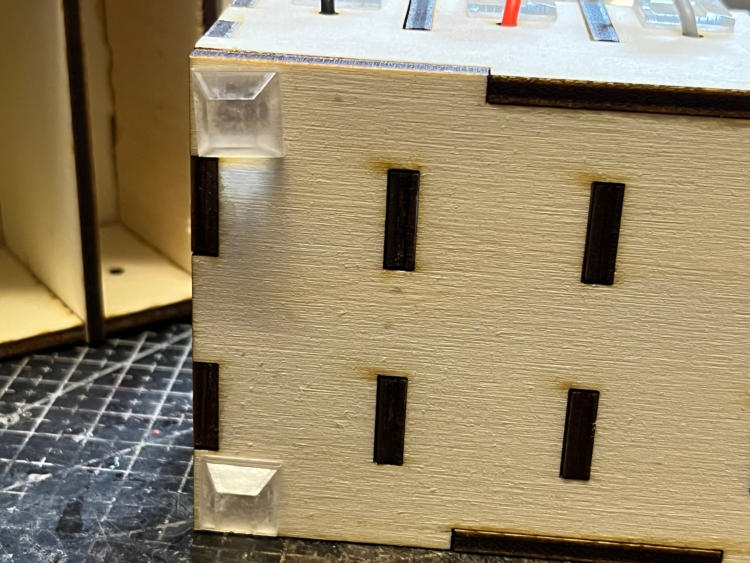
Cable Box
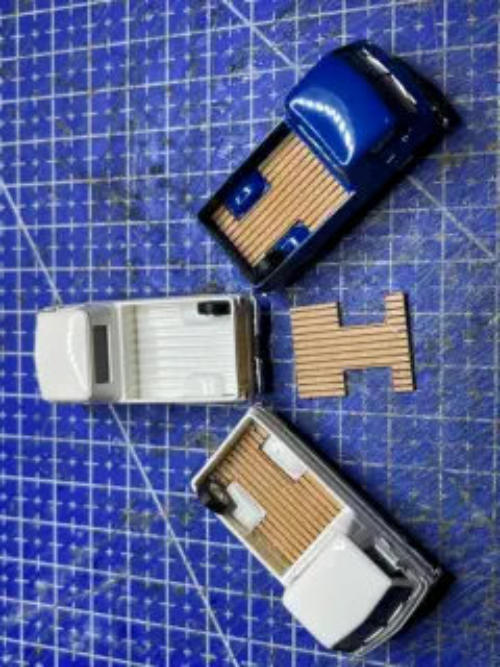
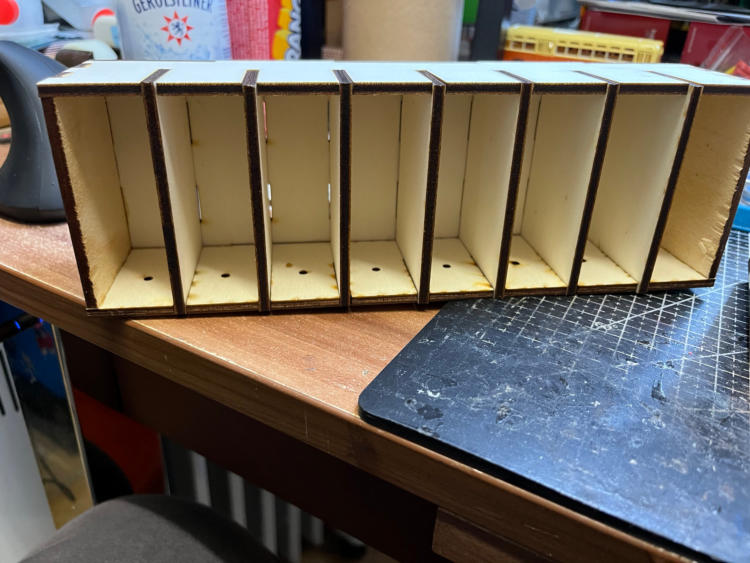
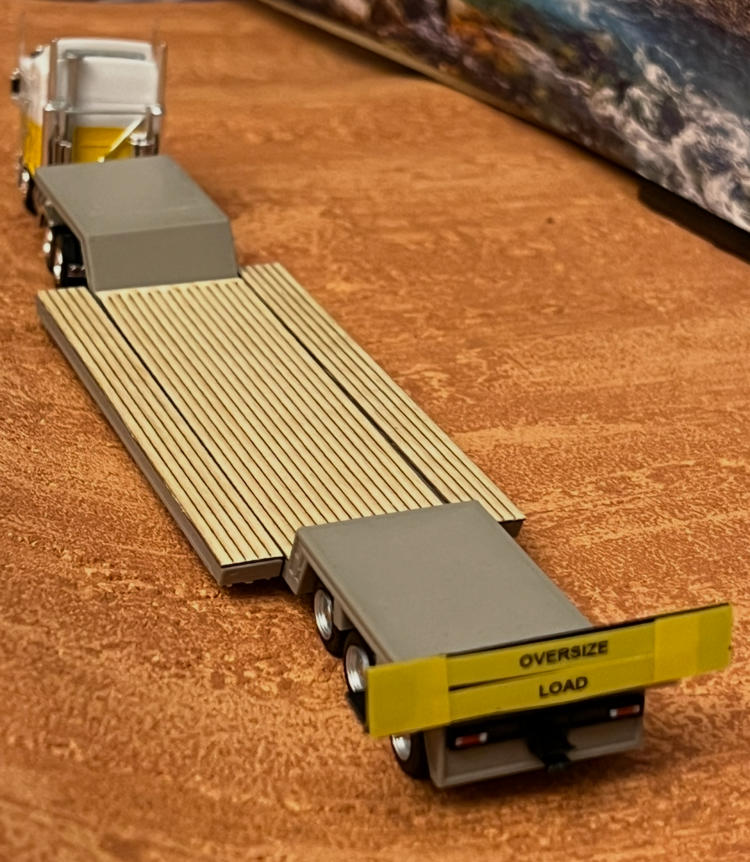
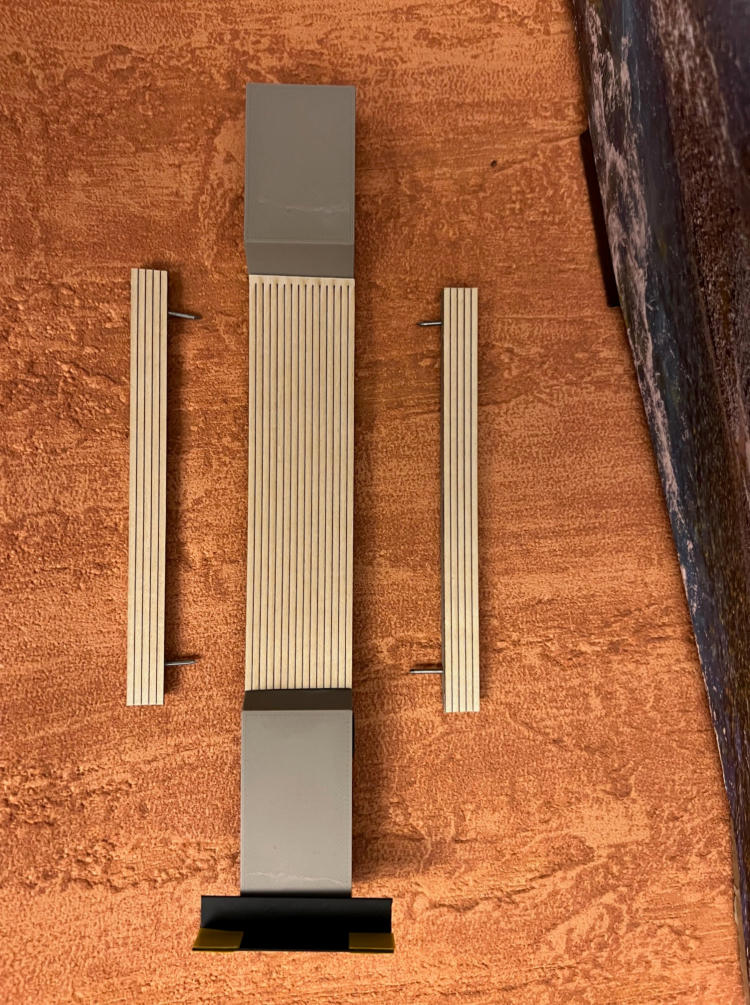
3D Prints combined with Laser Cut
3D Prints

Roby
Lafuma
Prototype
Model cars HO scale
Model cars HOn3 scale
Buildings HOn3 scale
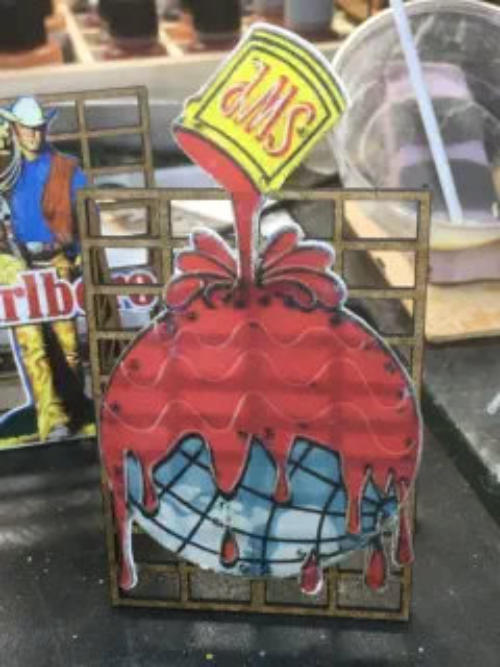
Illuminated Billboards
Sawmill
Electronics & Tools
Buildings HO
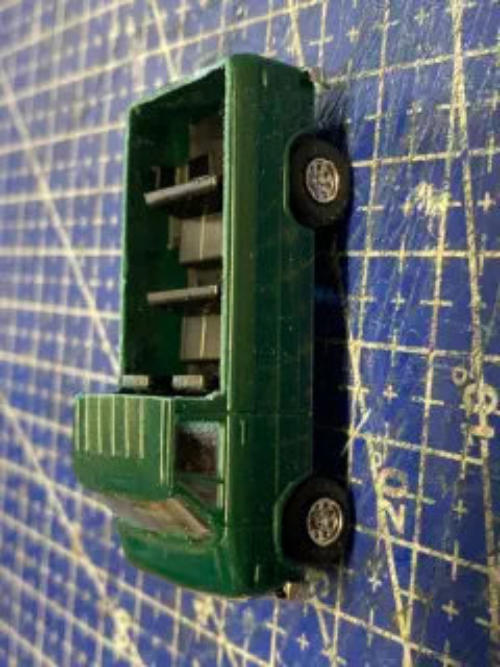
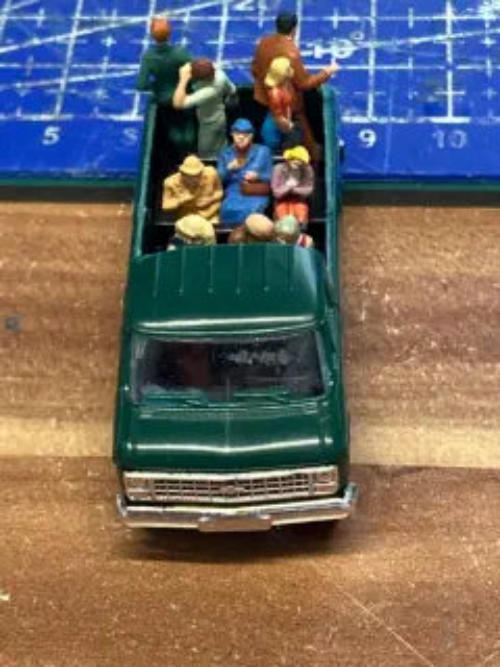
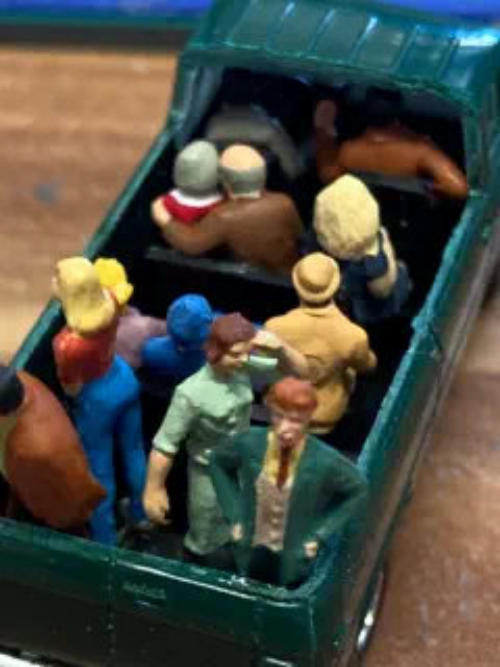
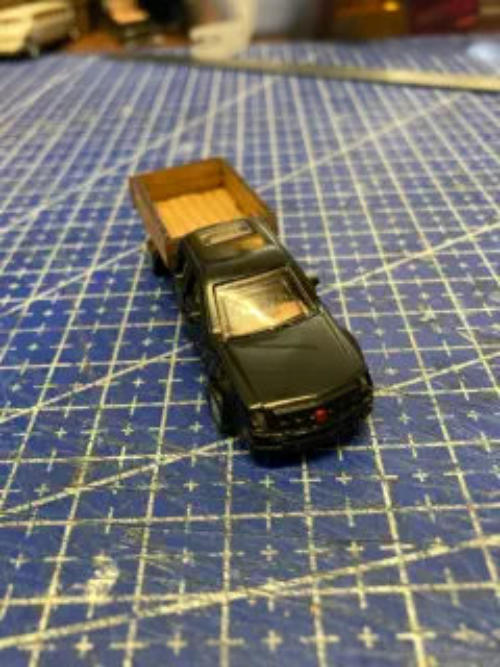
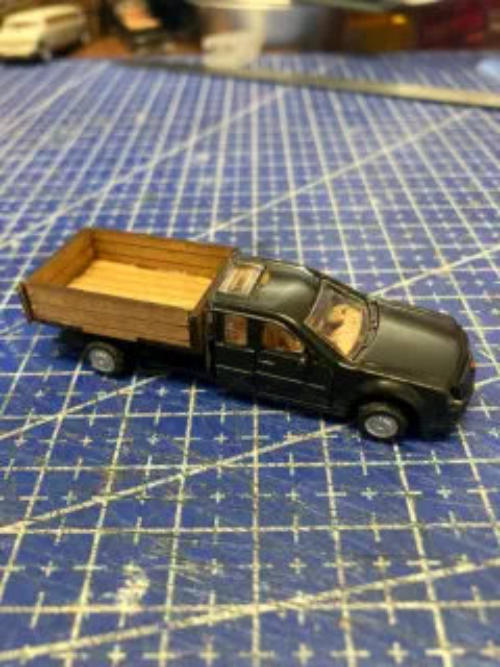
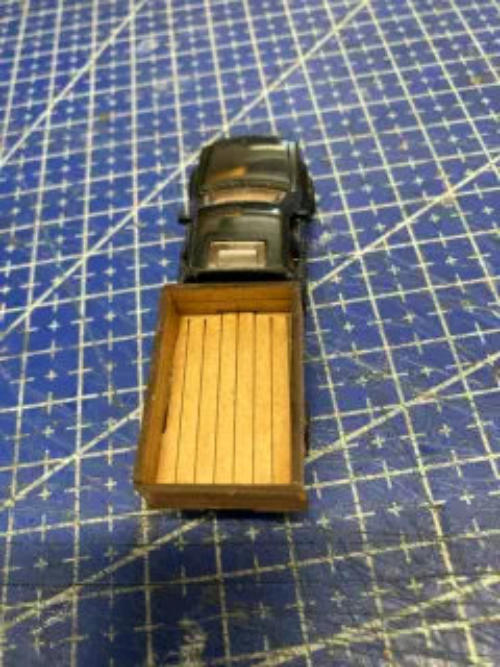
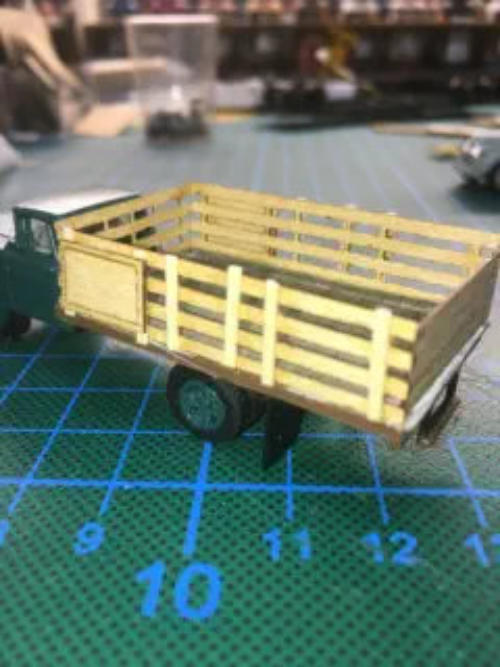
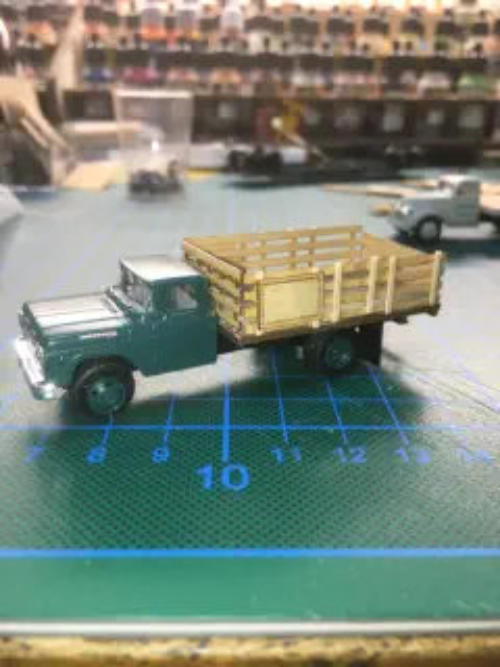
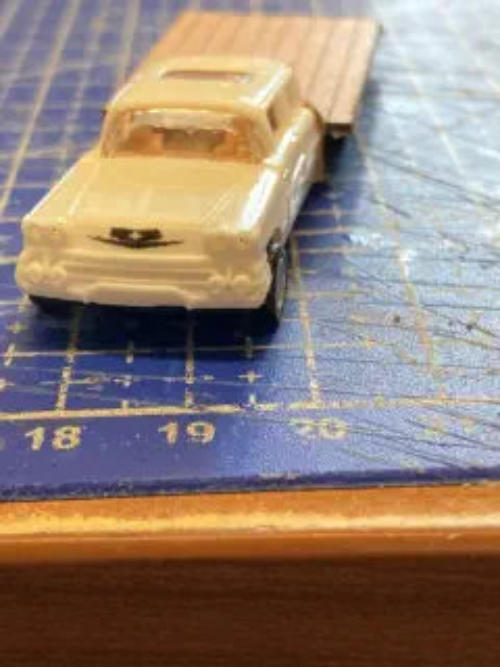
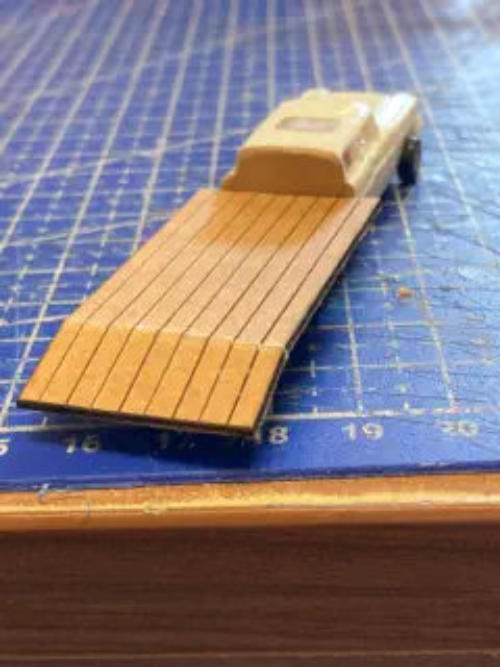
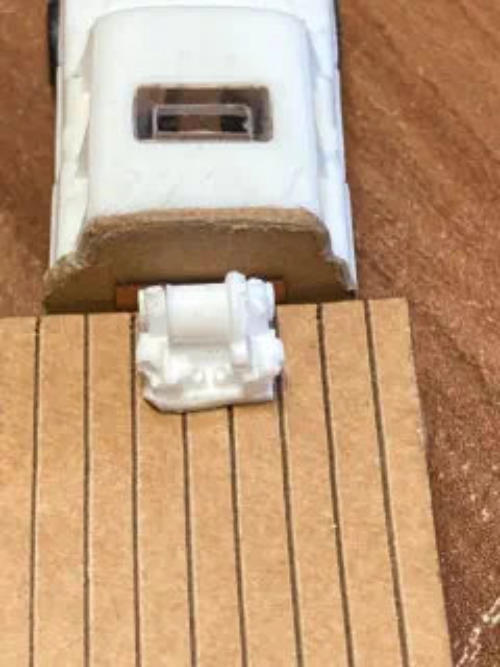
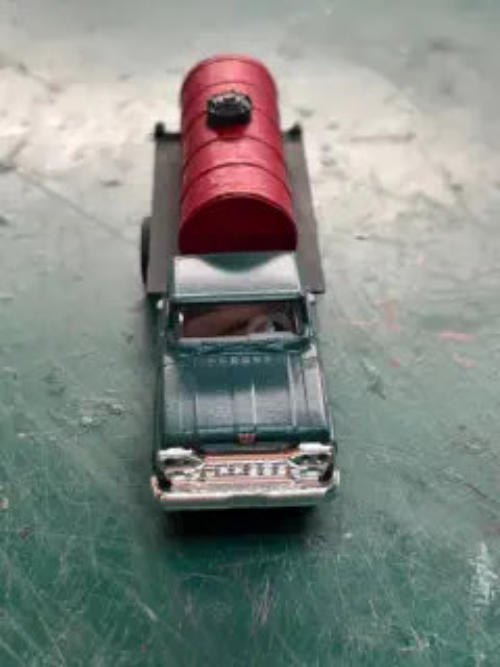
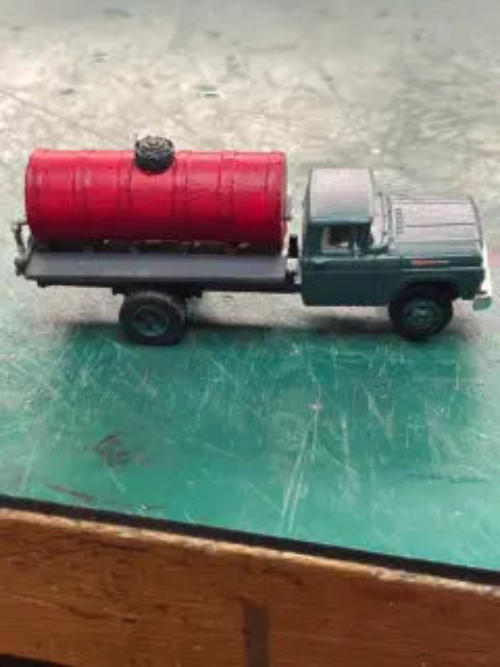
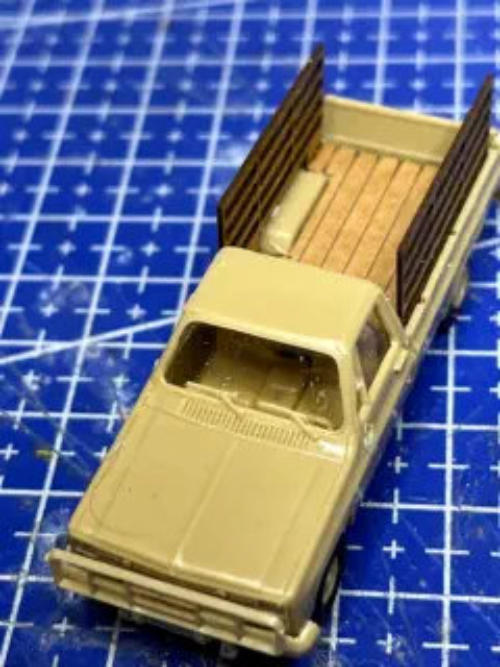
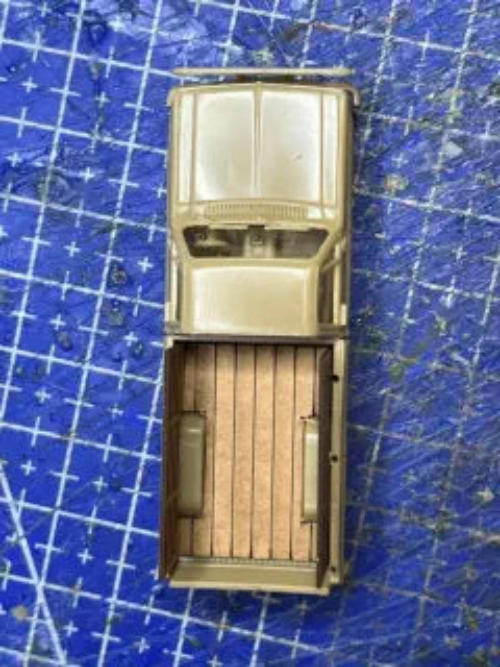
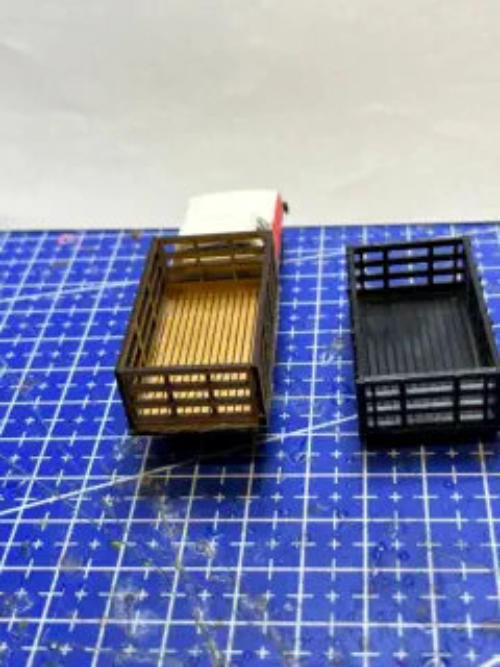
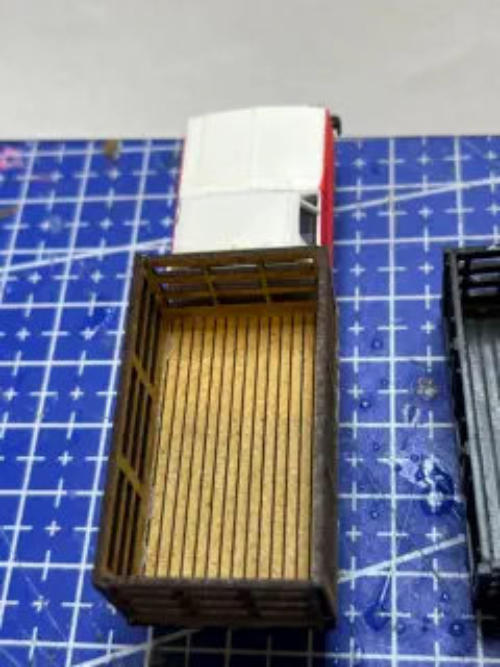
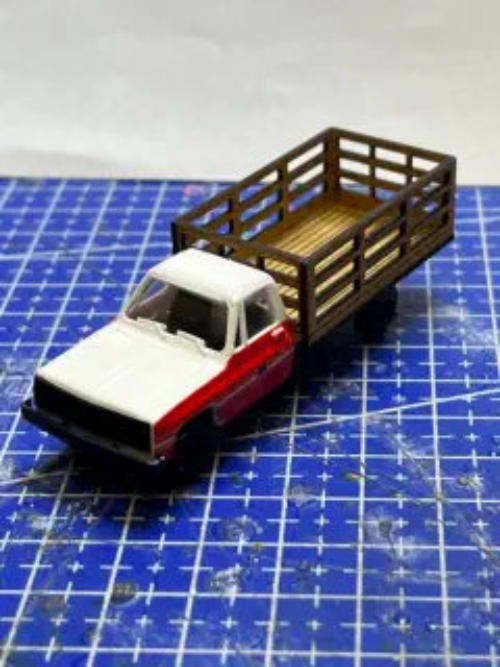
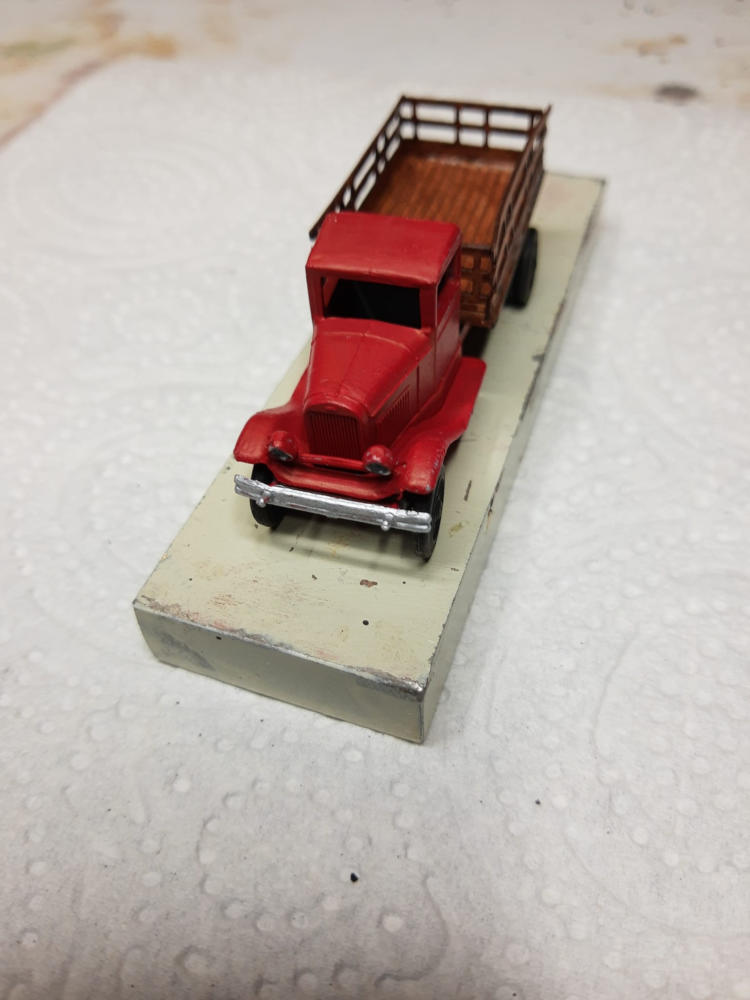
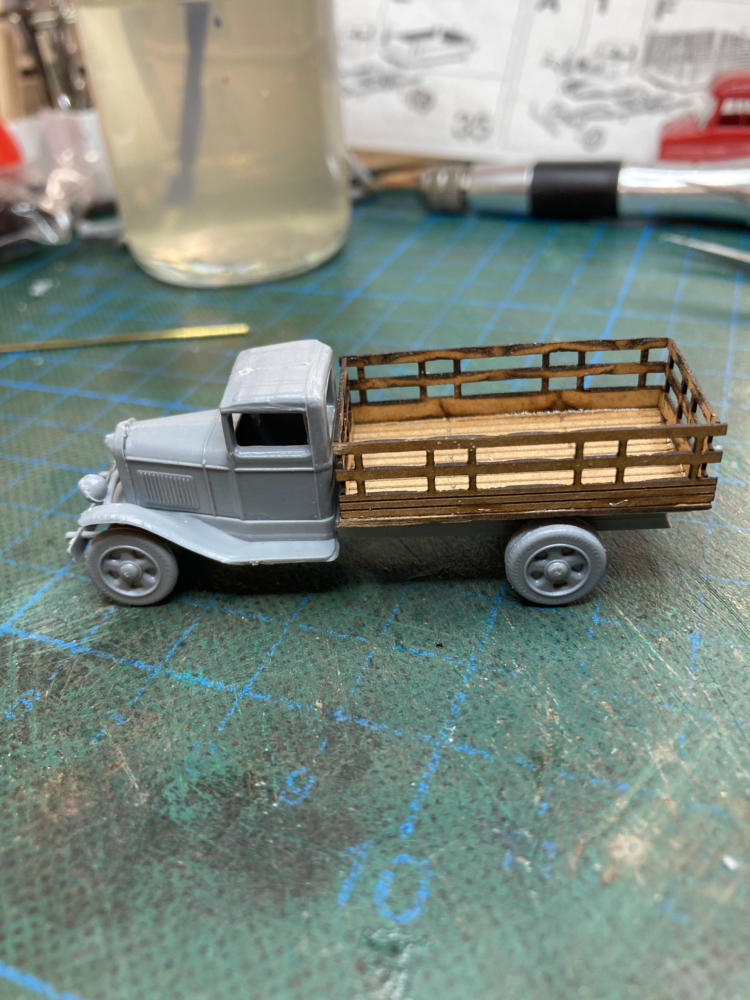
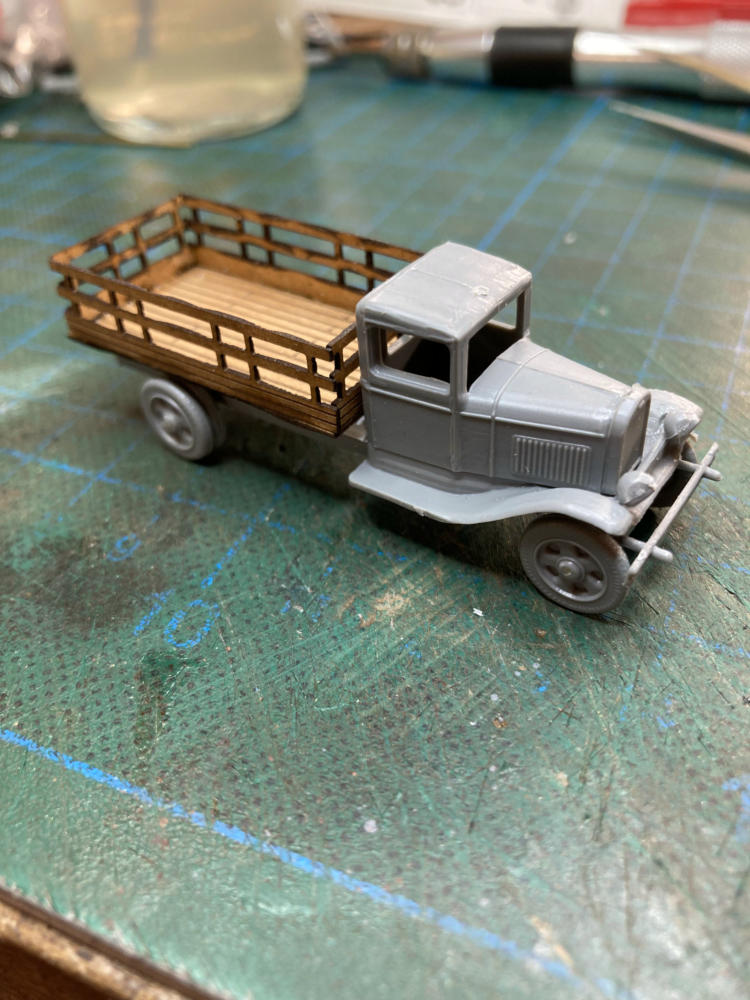
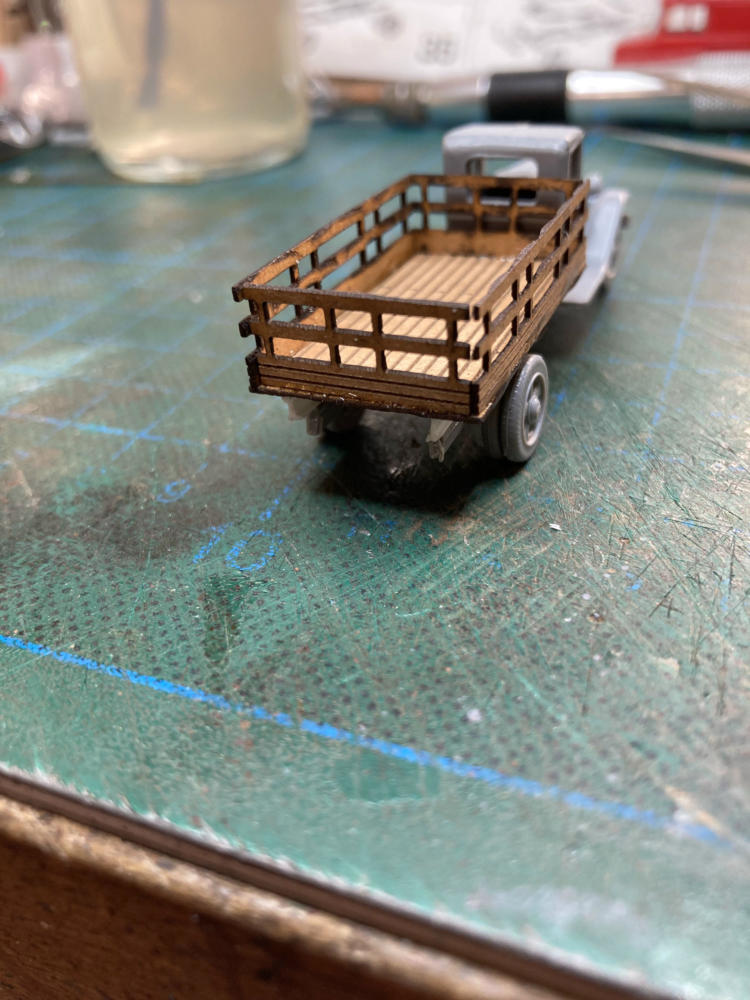
Oldtime Ford Stakebed
Movies
Digital
Model Railroad Photografy
Presentaton perfect picture
Presentations Arduino

Patrick
Denis
Etienne

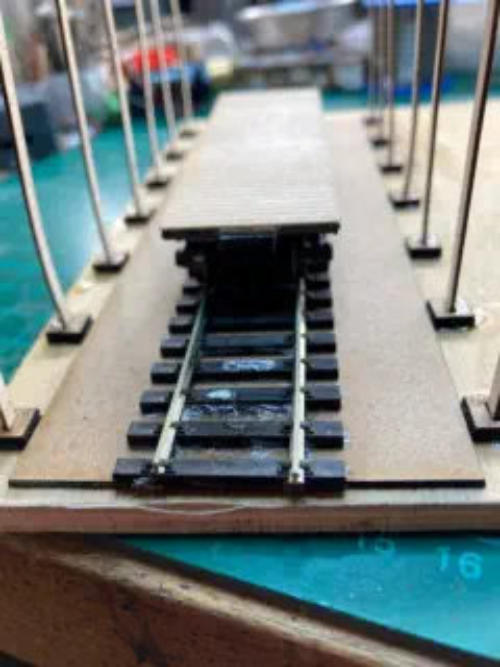
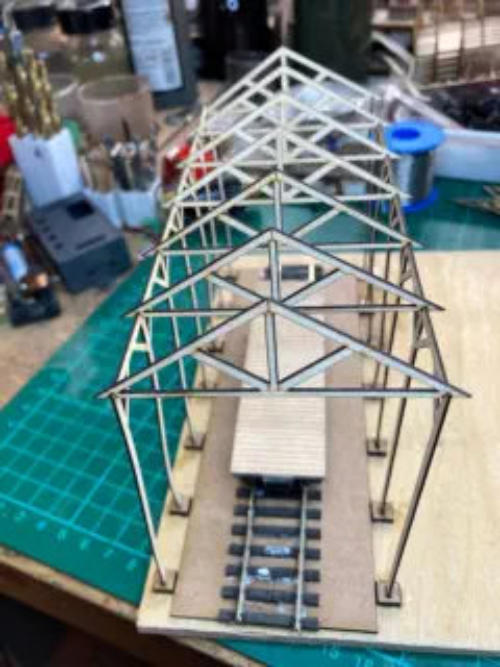
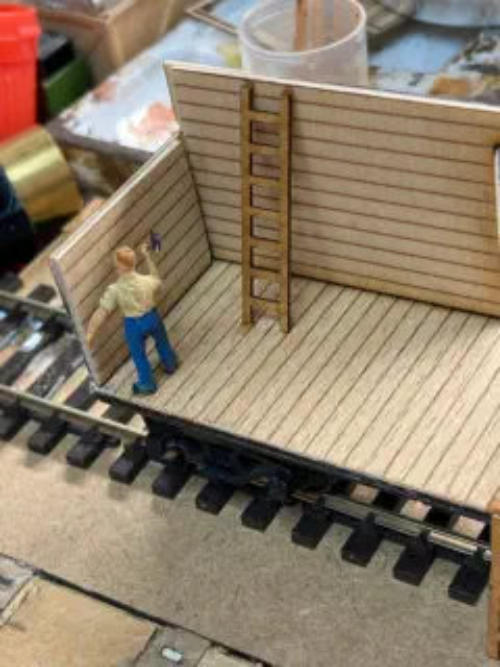
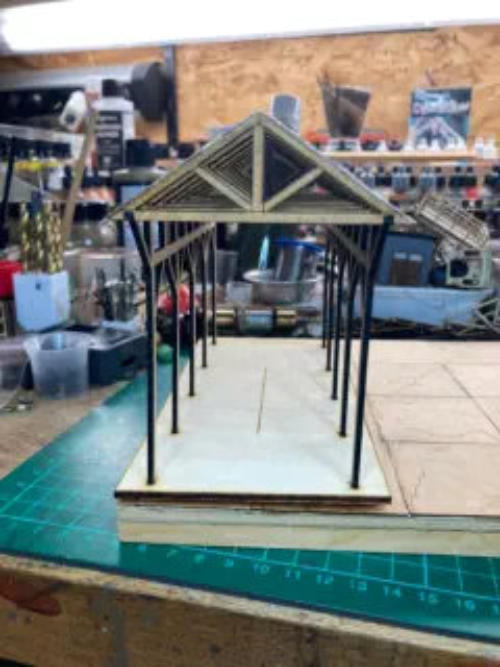
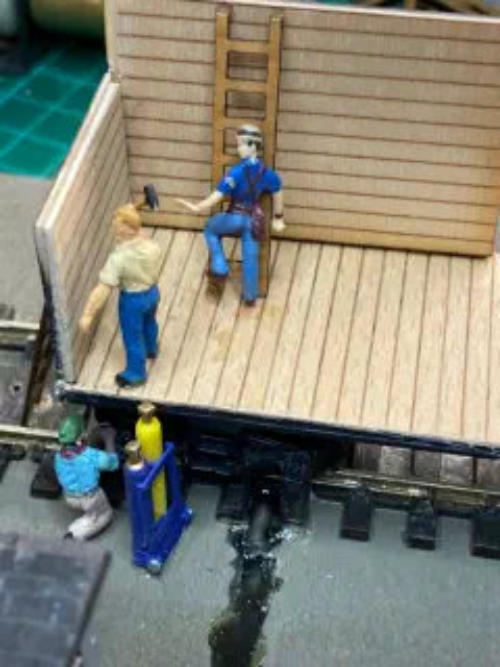
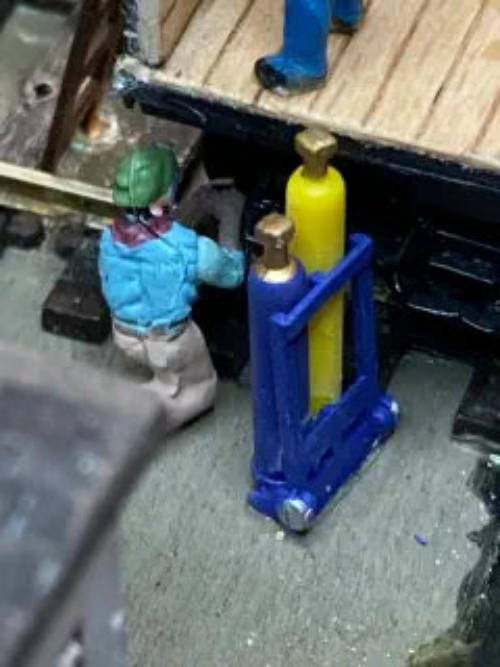
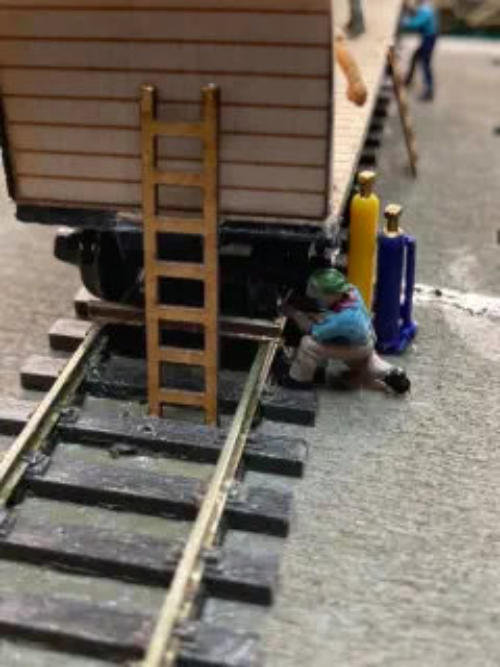
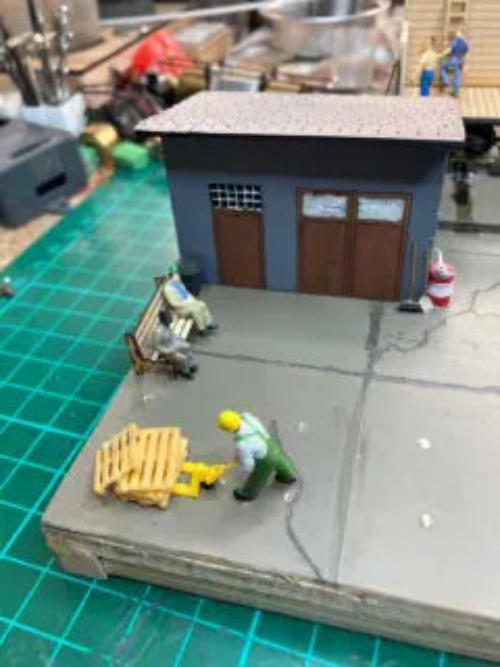
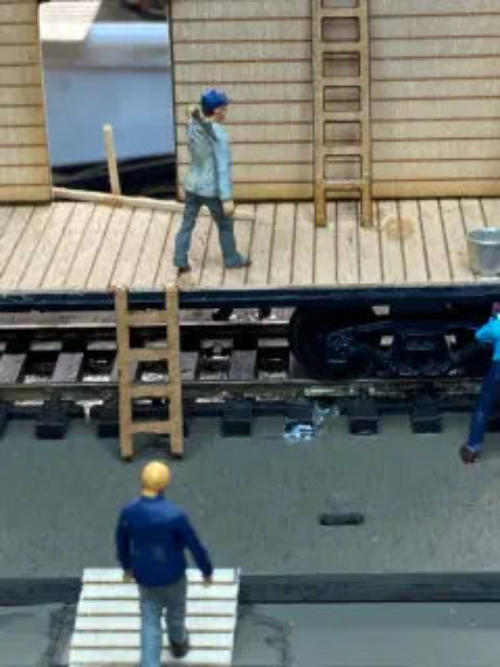
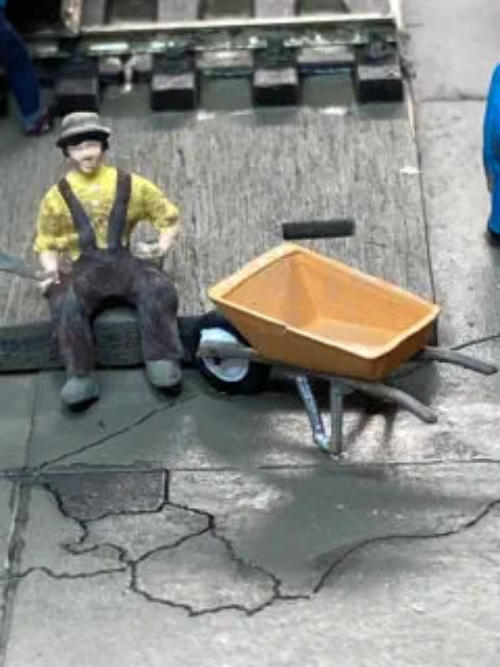
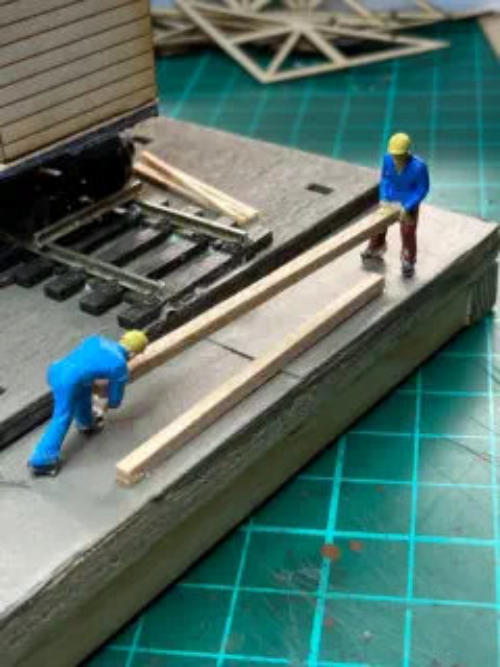
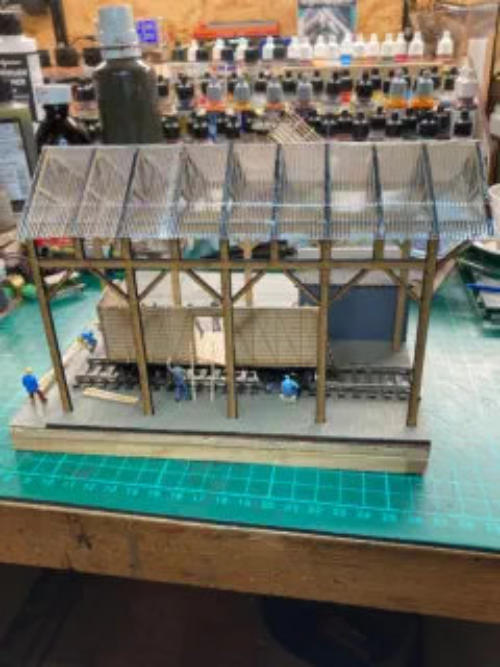
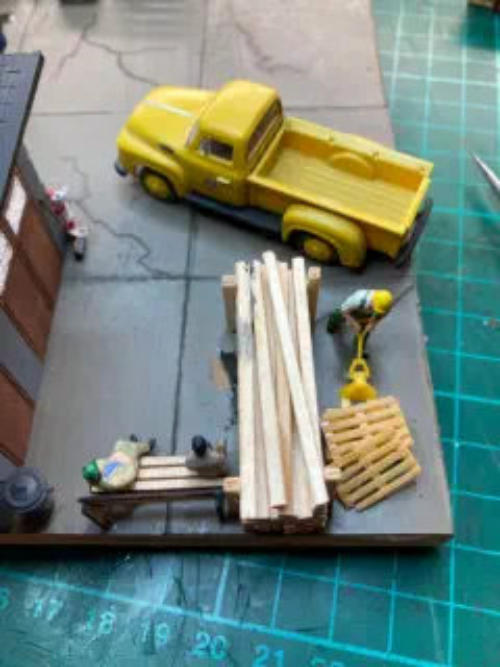


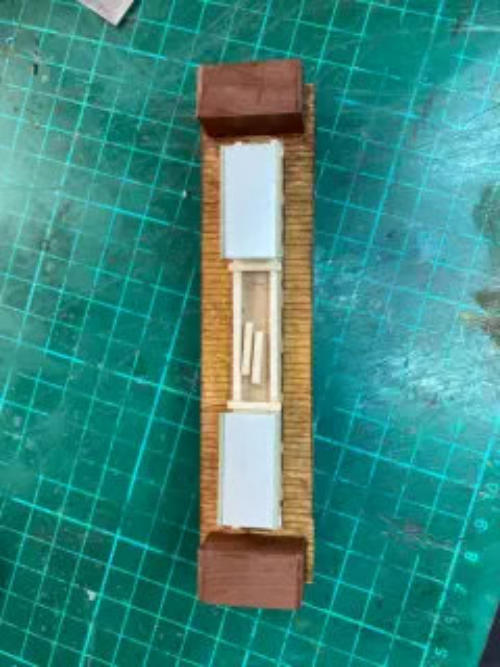
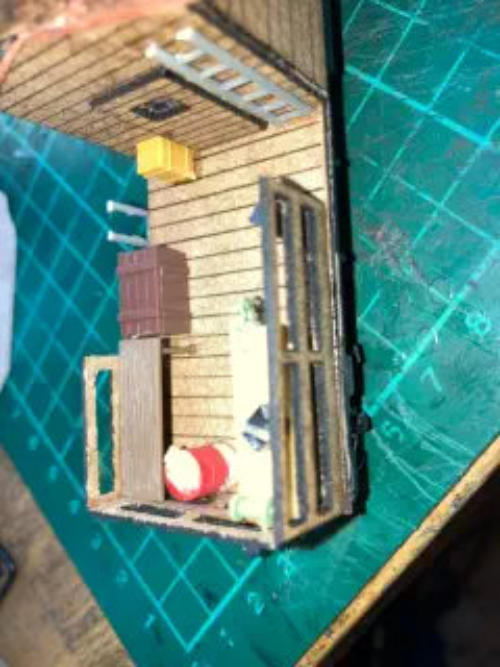

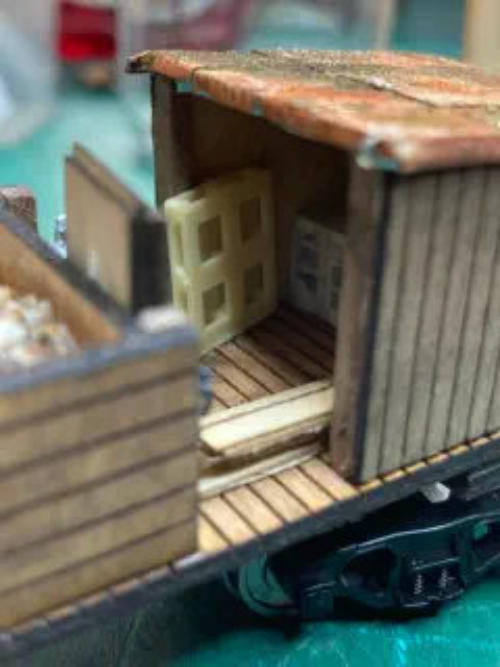
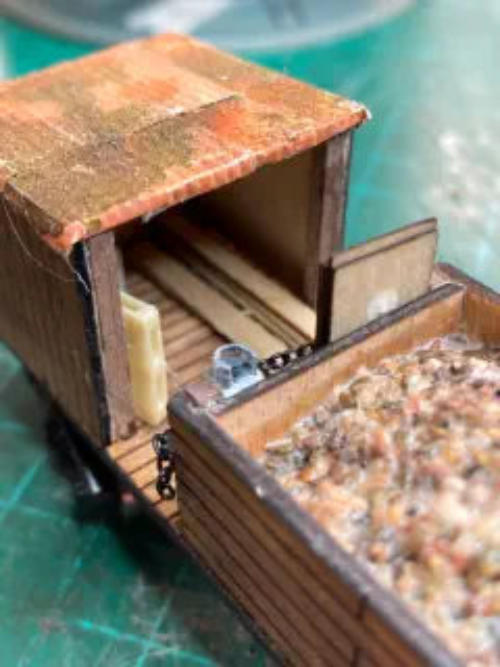


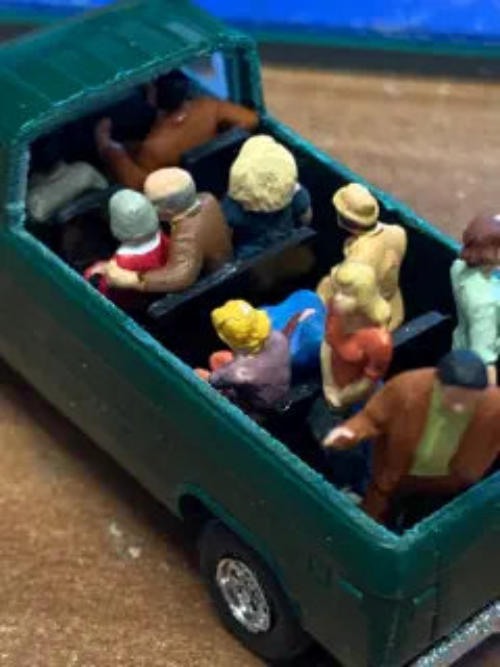
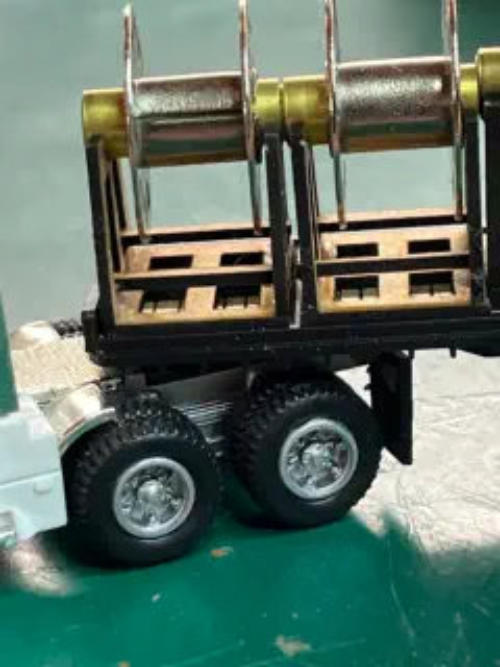
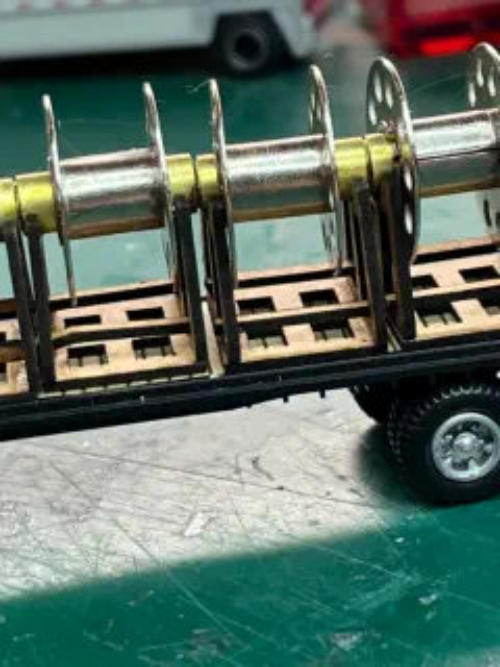
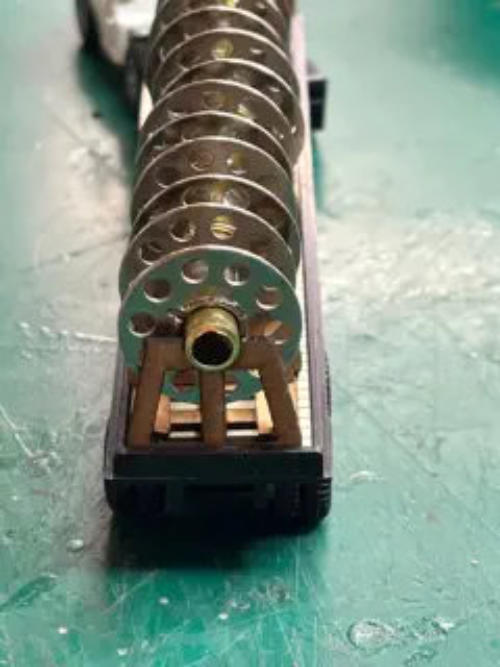


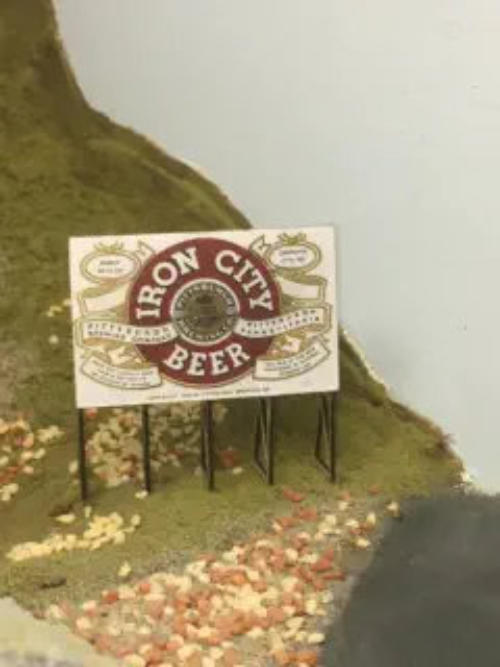
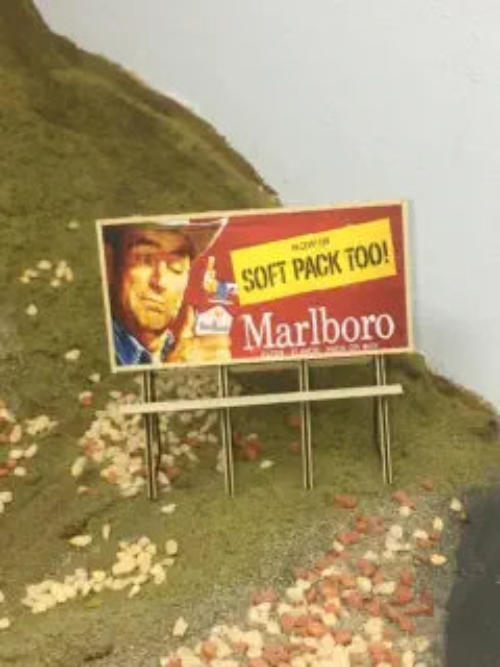
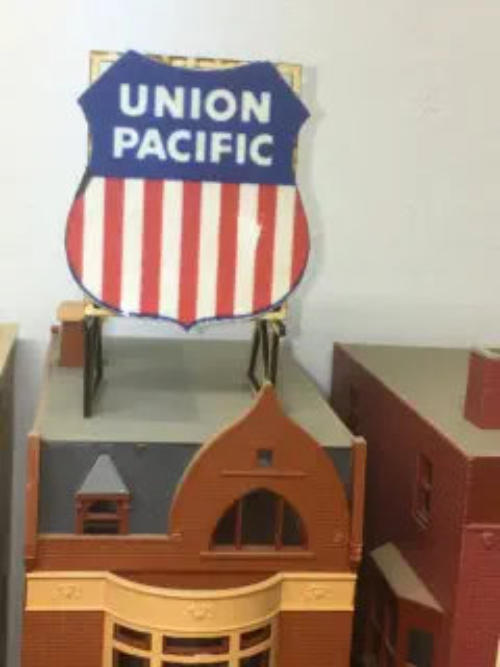
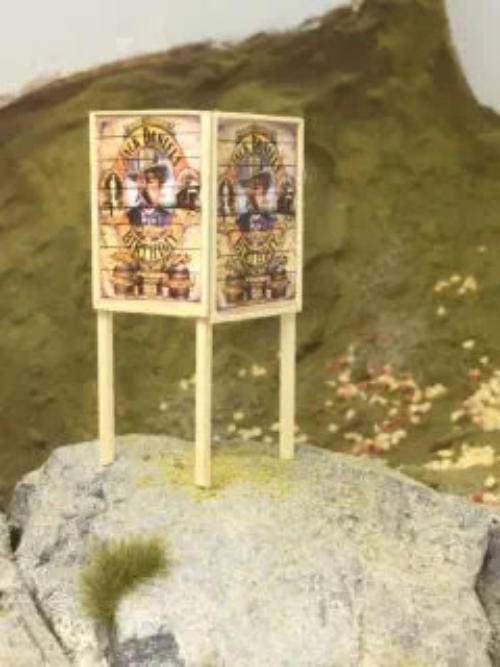
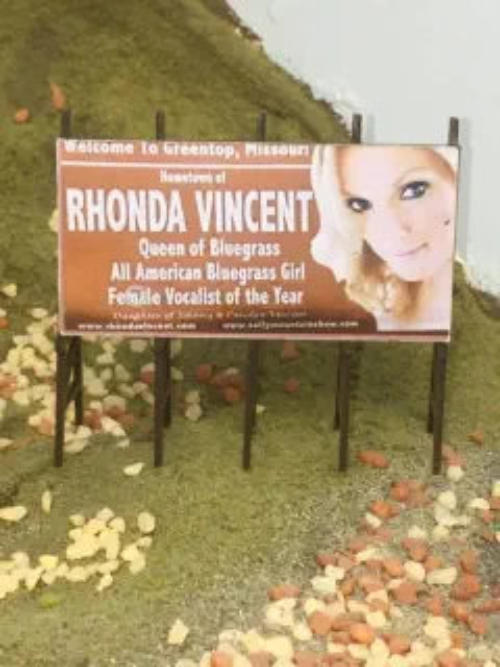
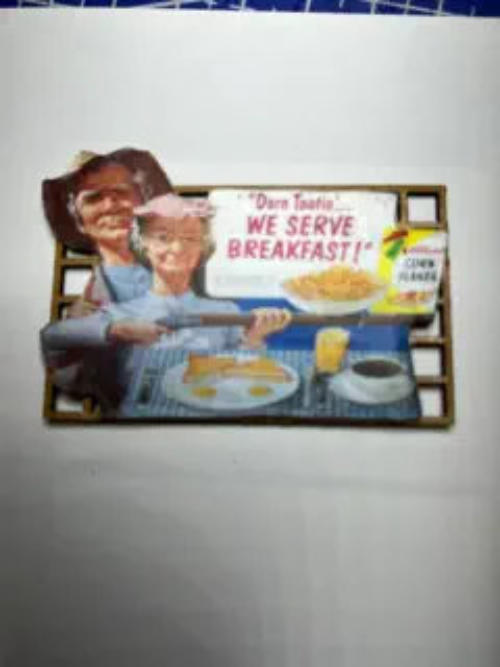
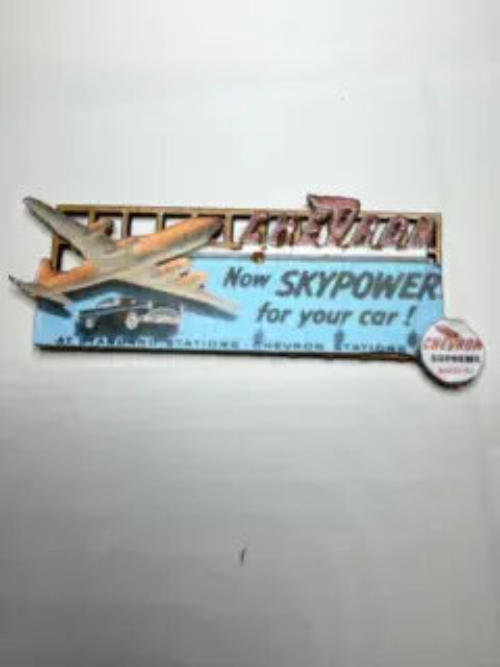
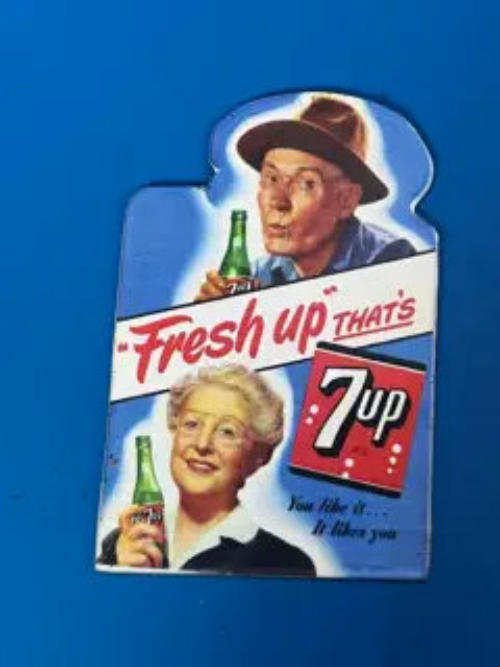
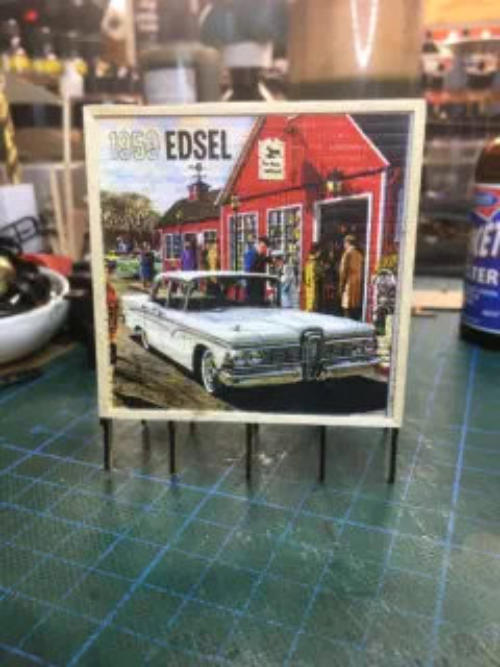
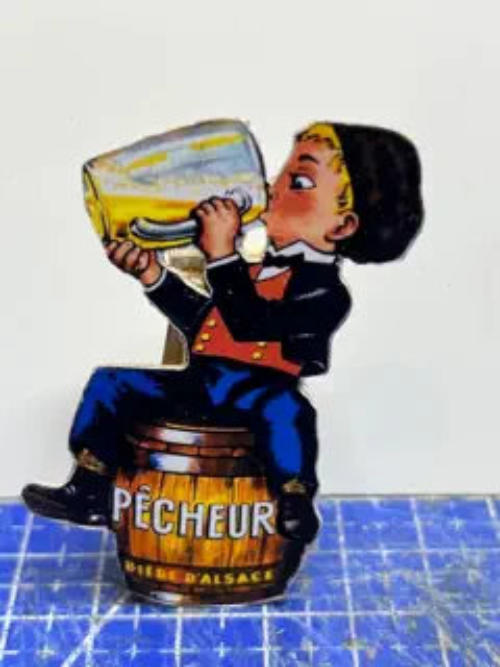
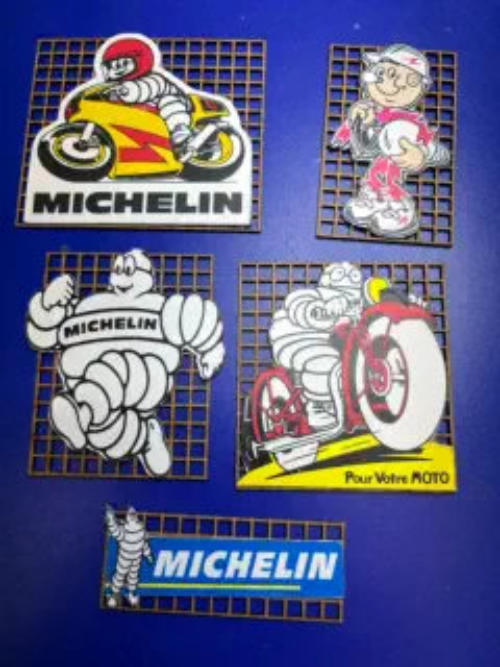
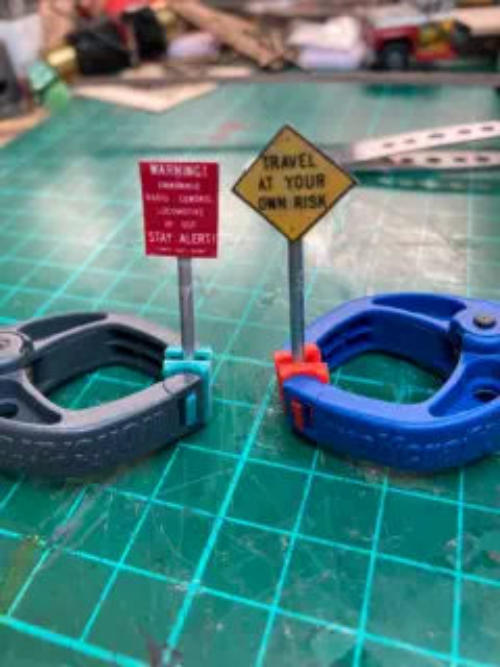
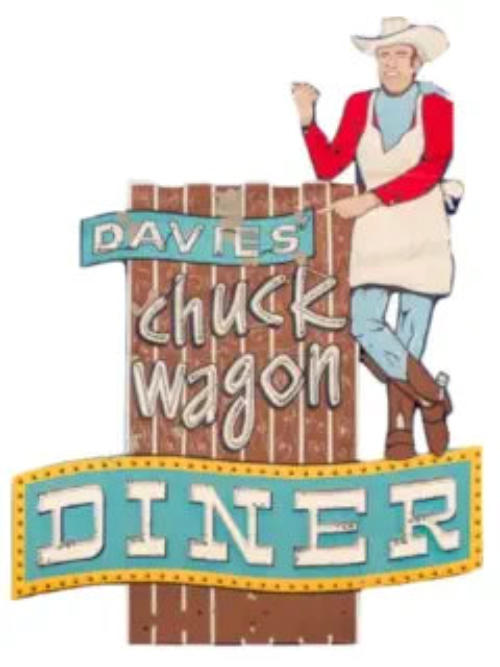
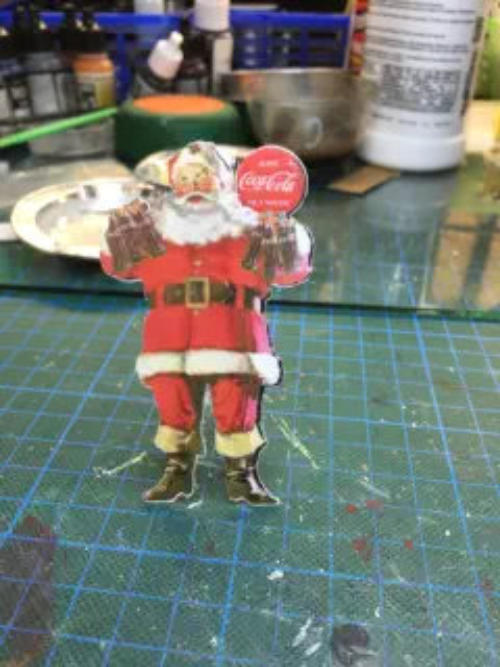
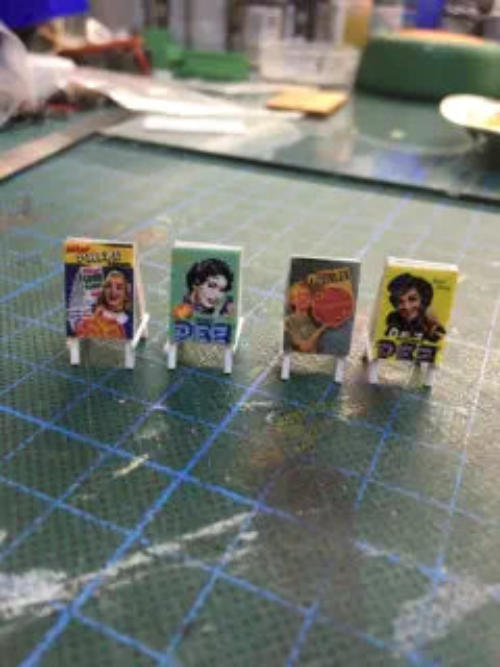
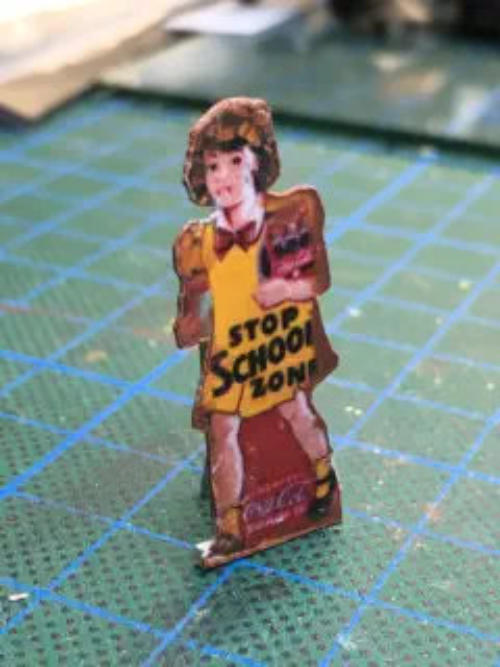
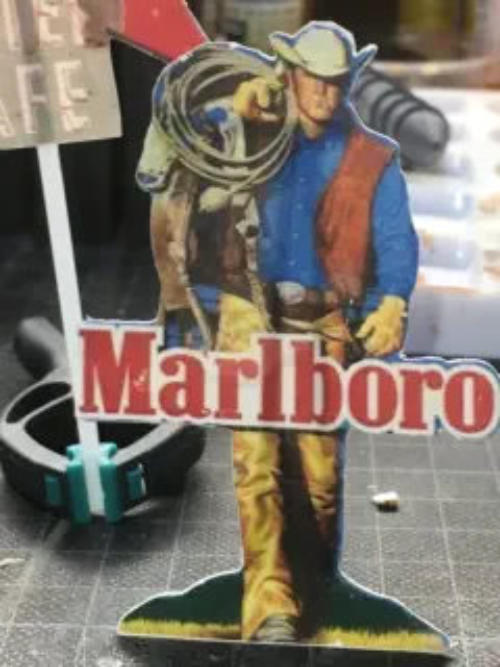
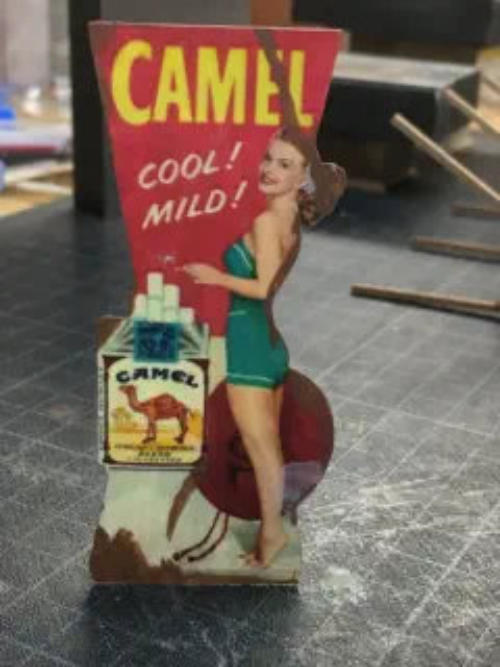
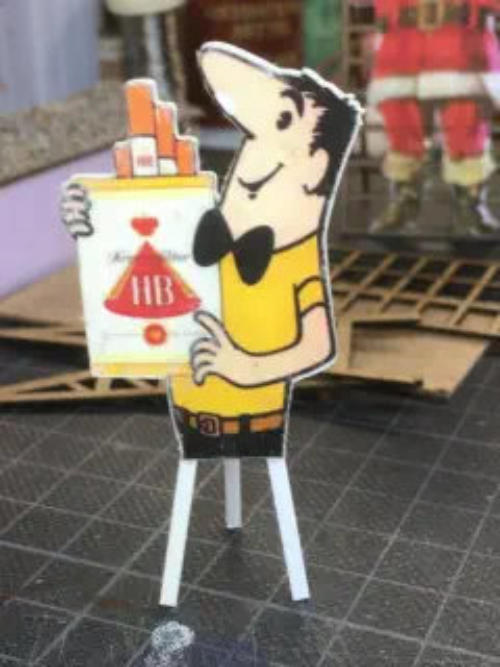
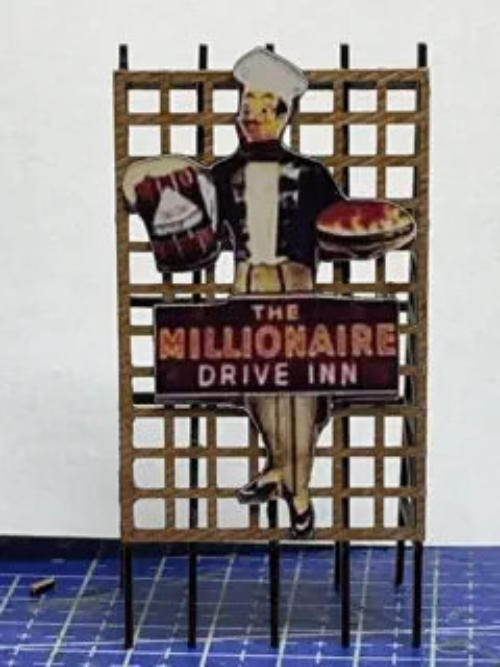
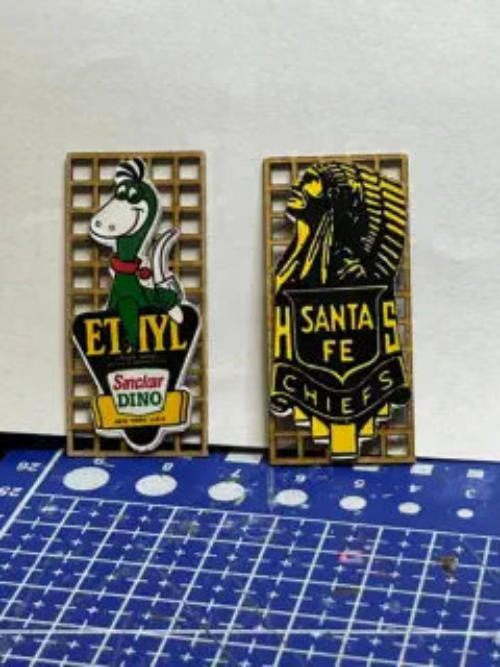
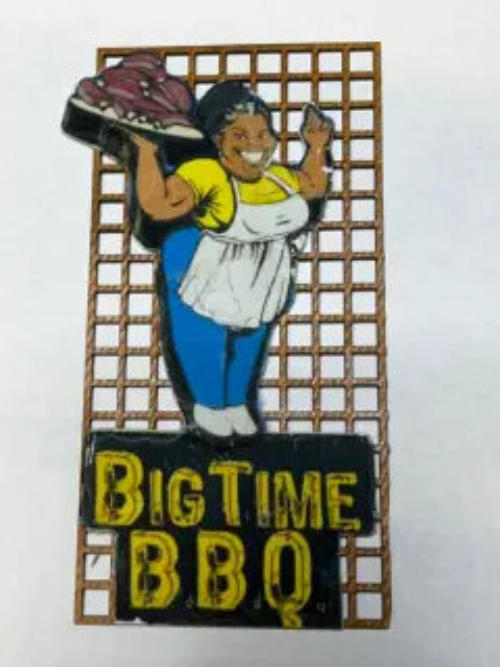
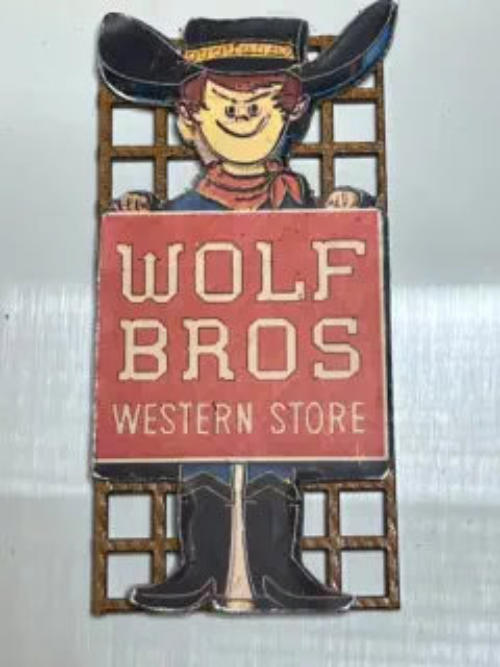



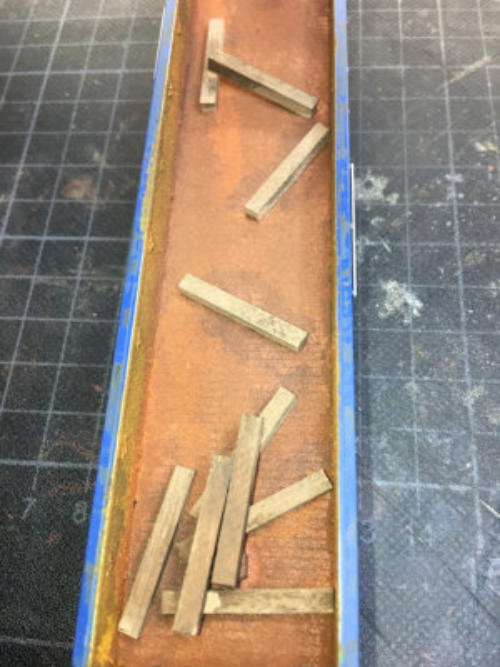
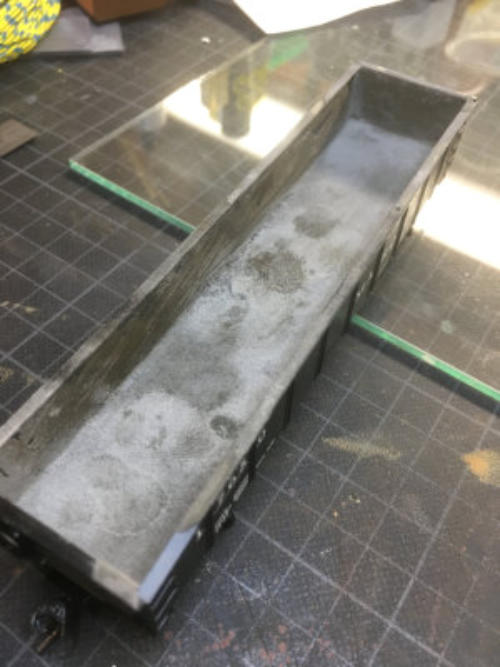
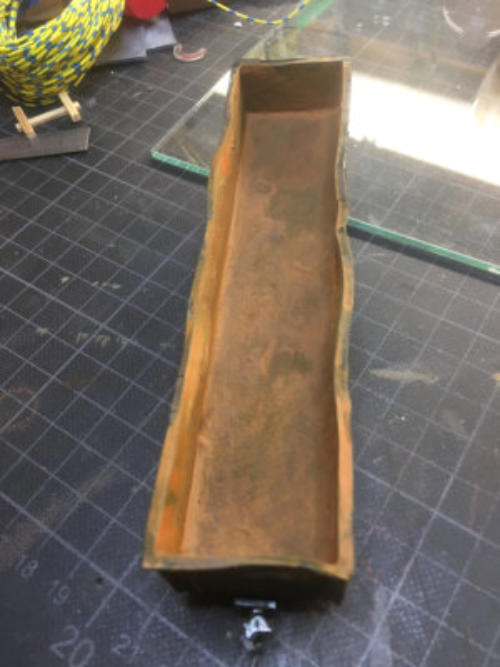
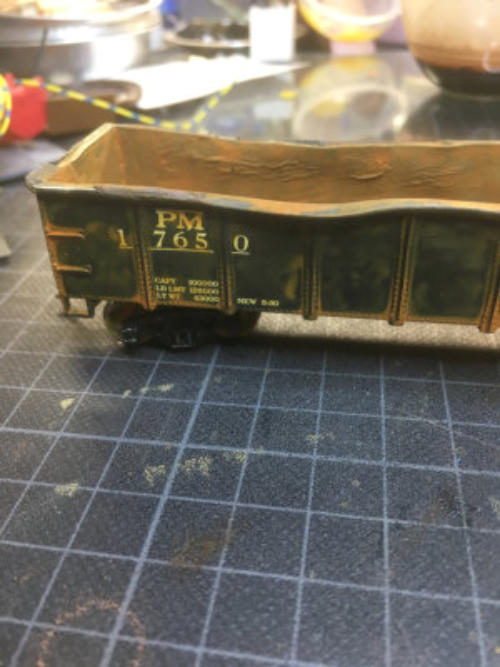


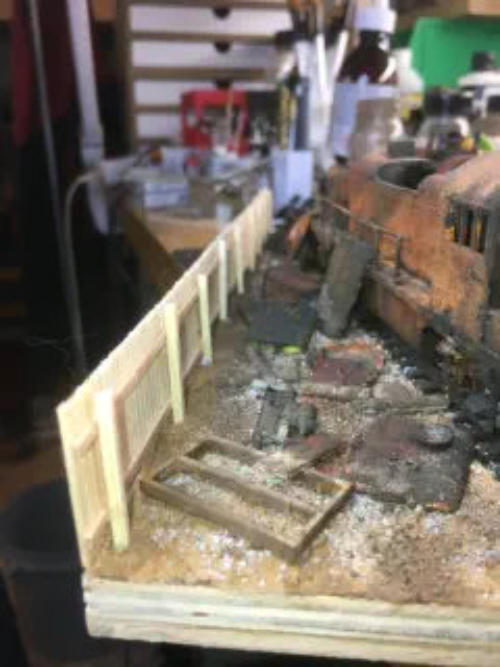
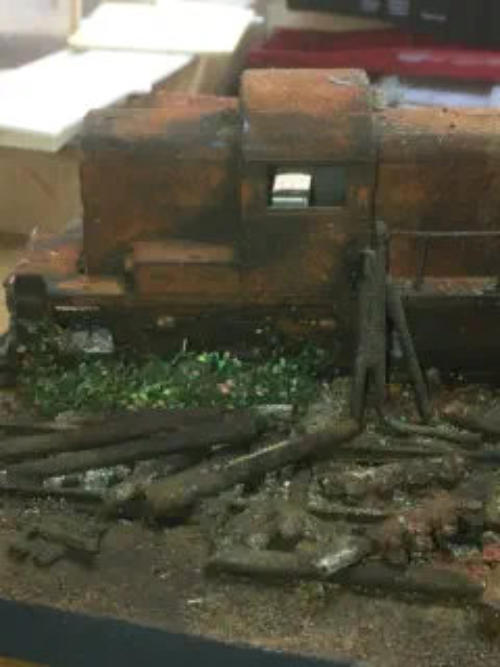
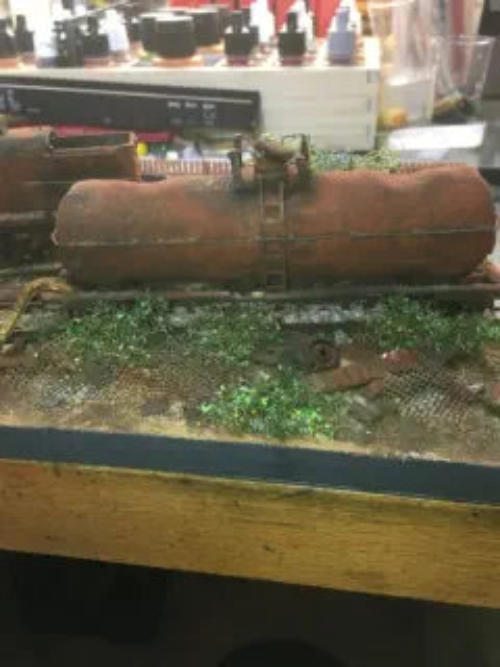
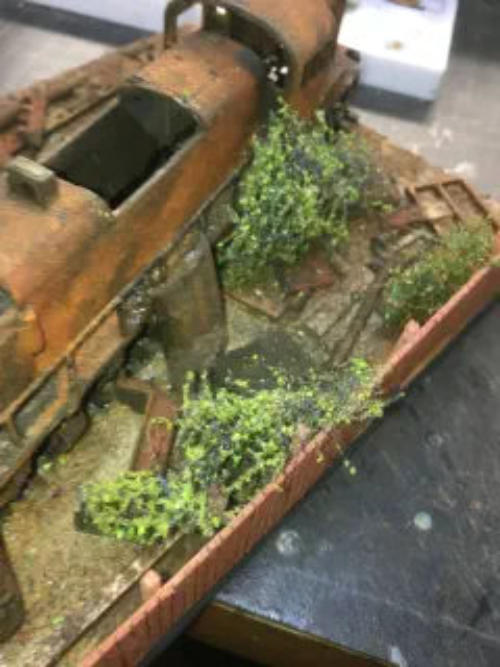

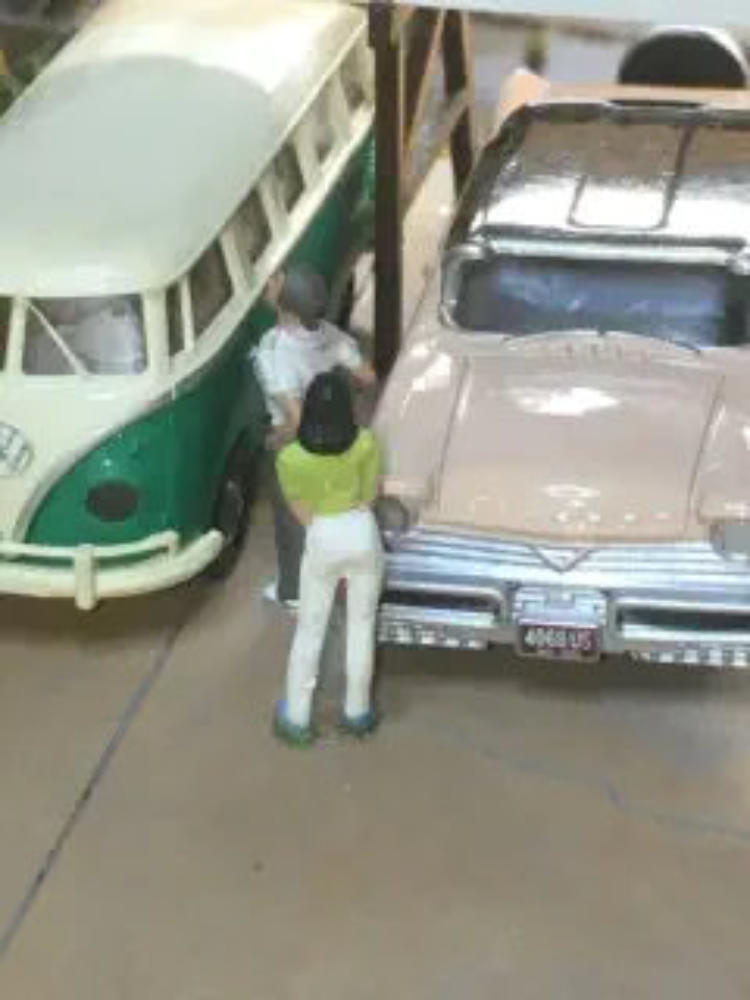
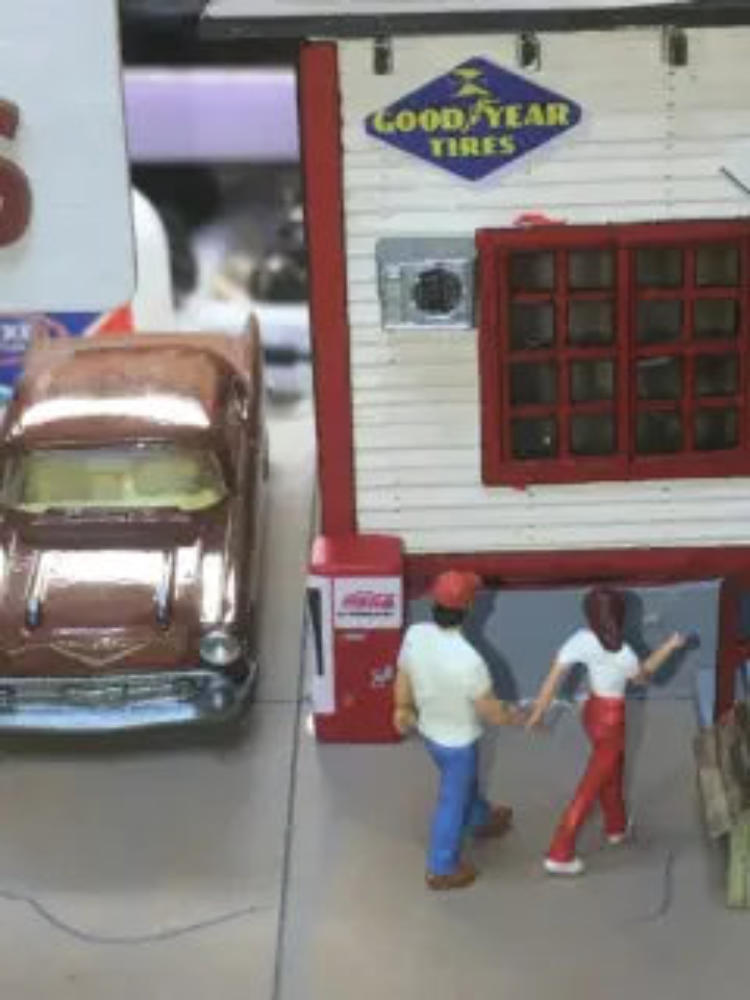
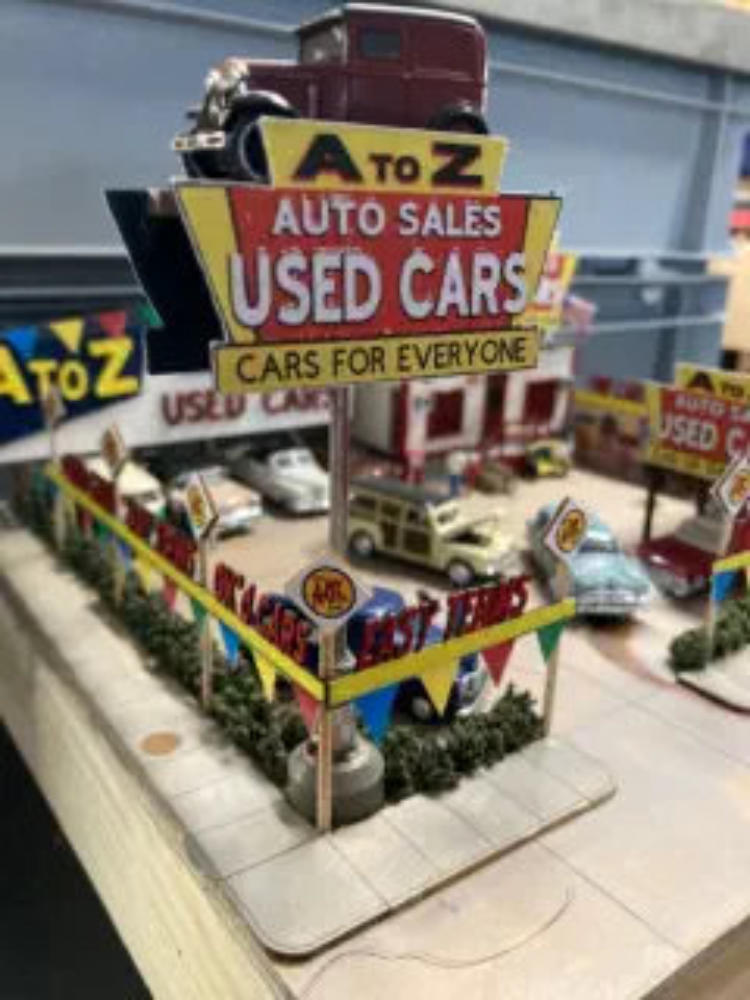
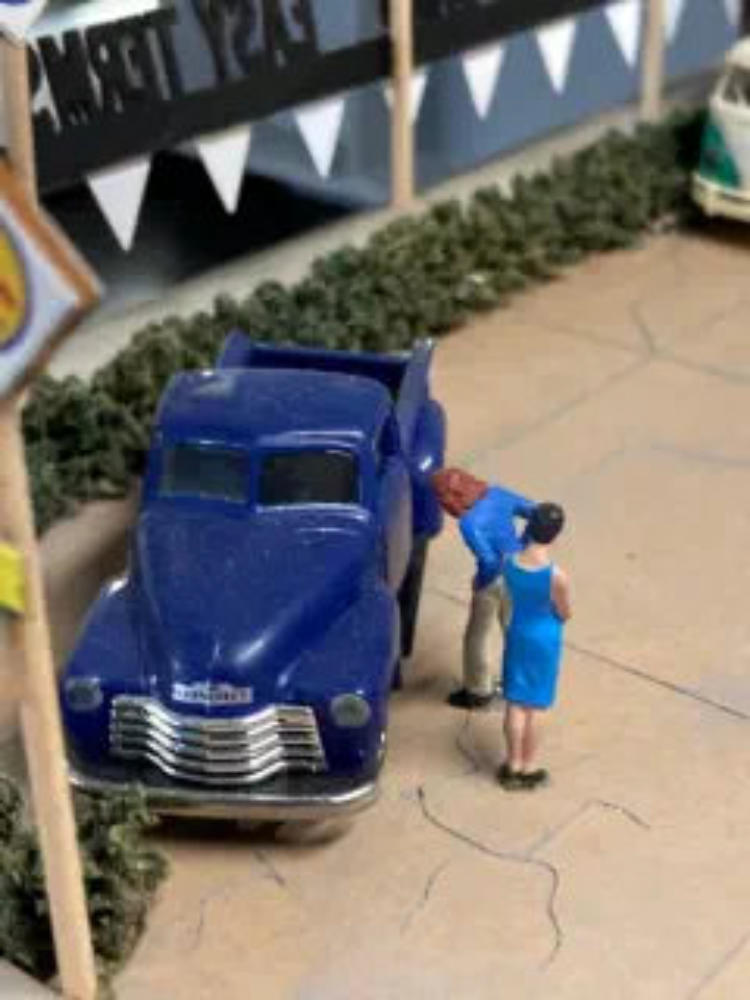
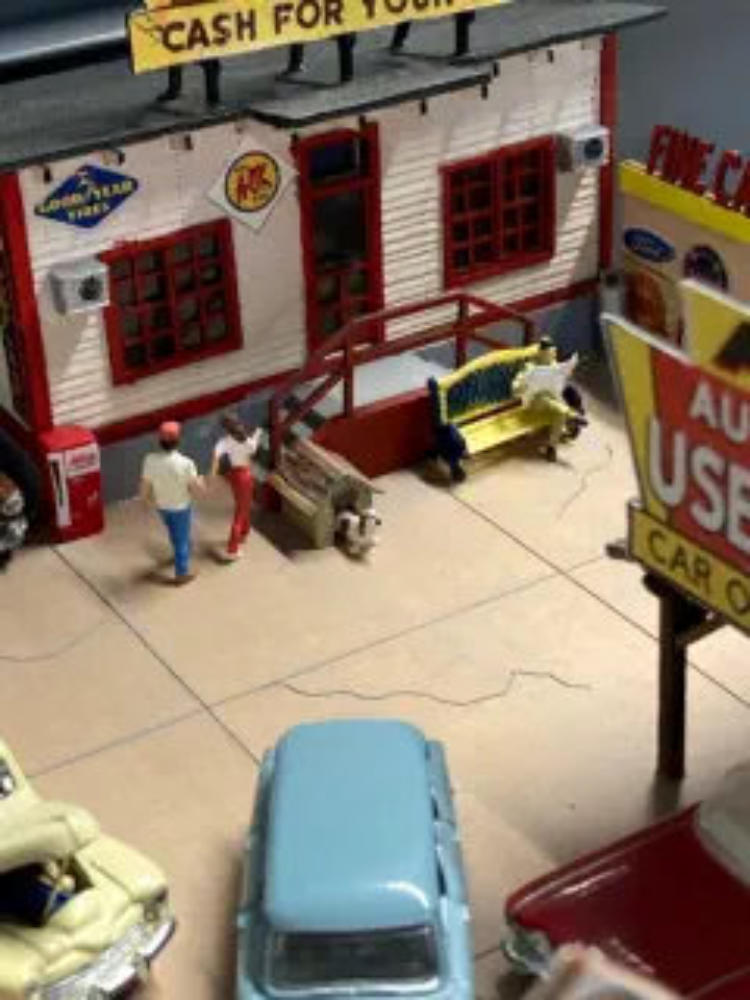
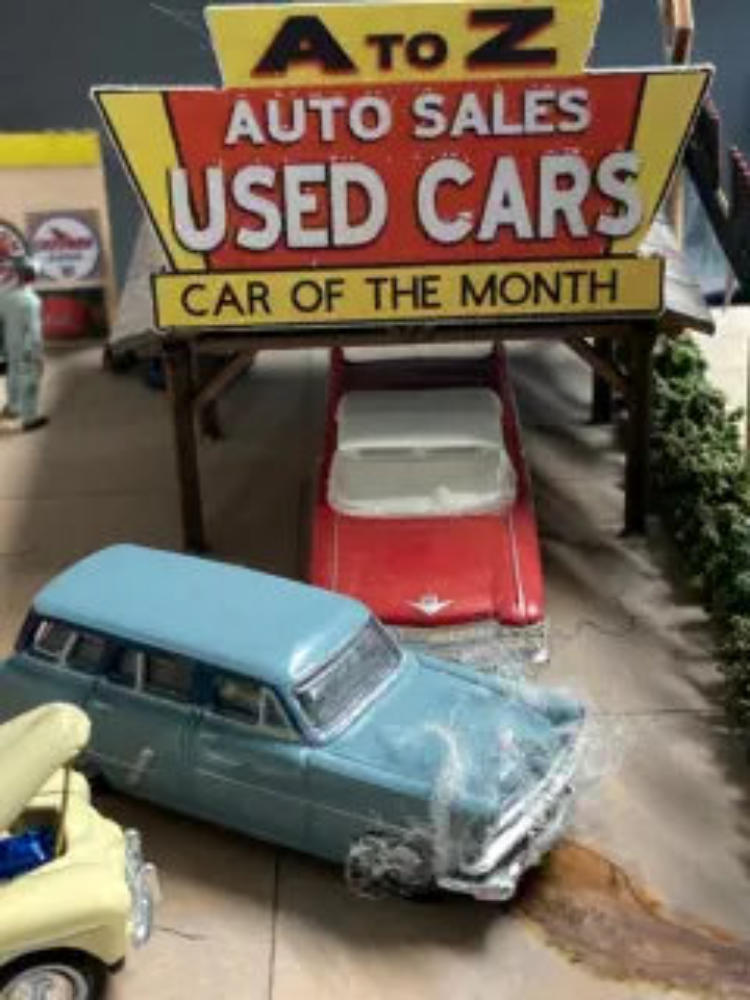



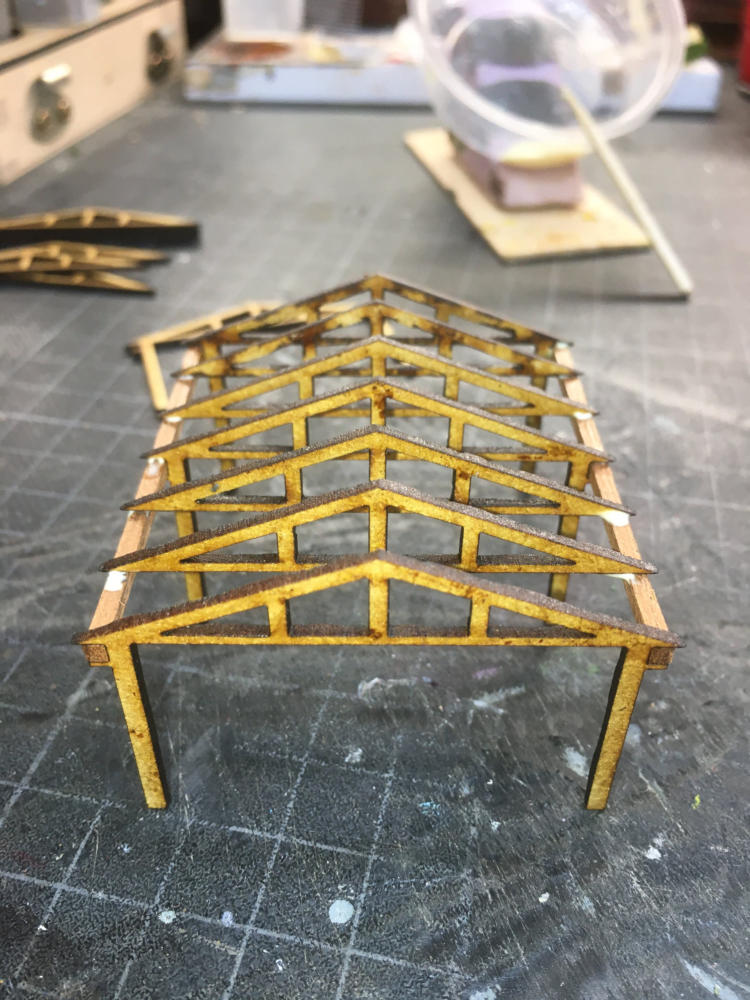
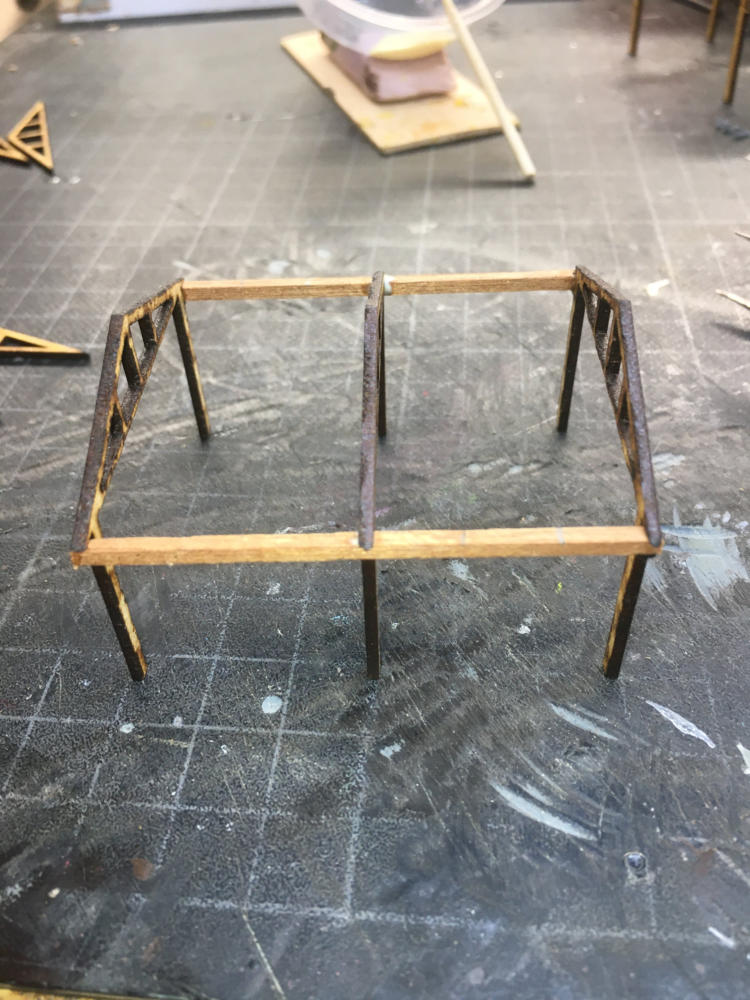

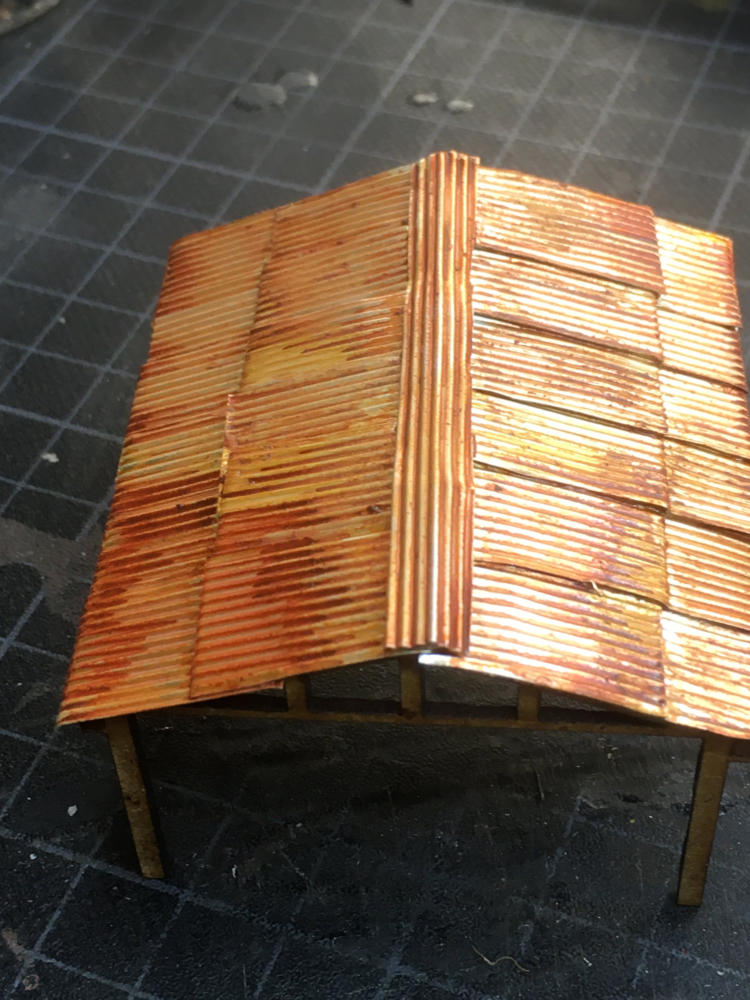
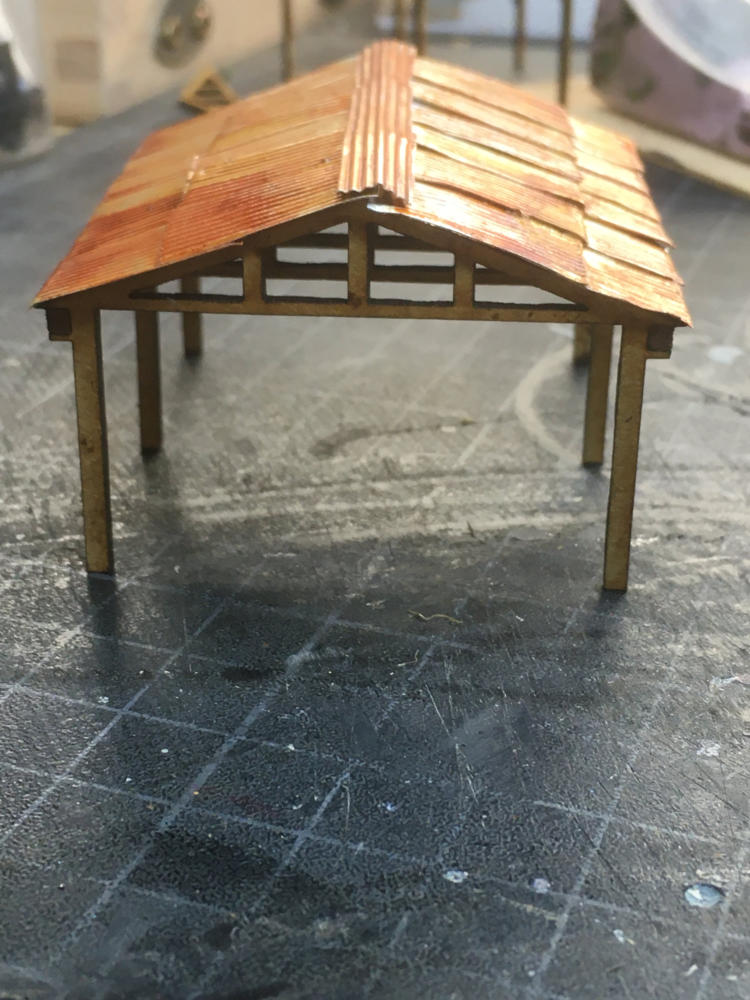
Carport
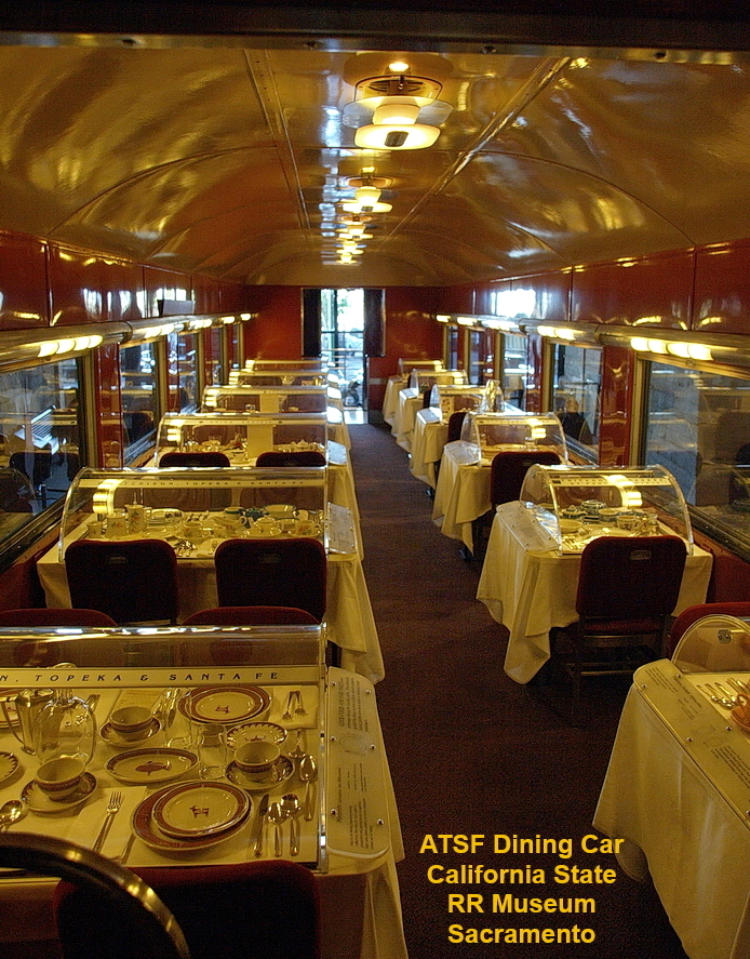
RR Car as Diner
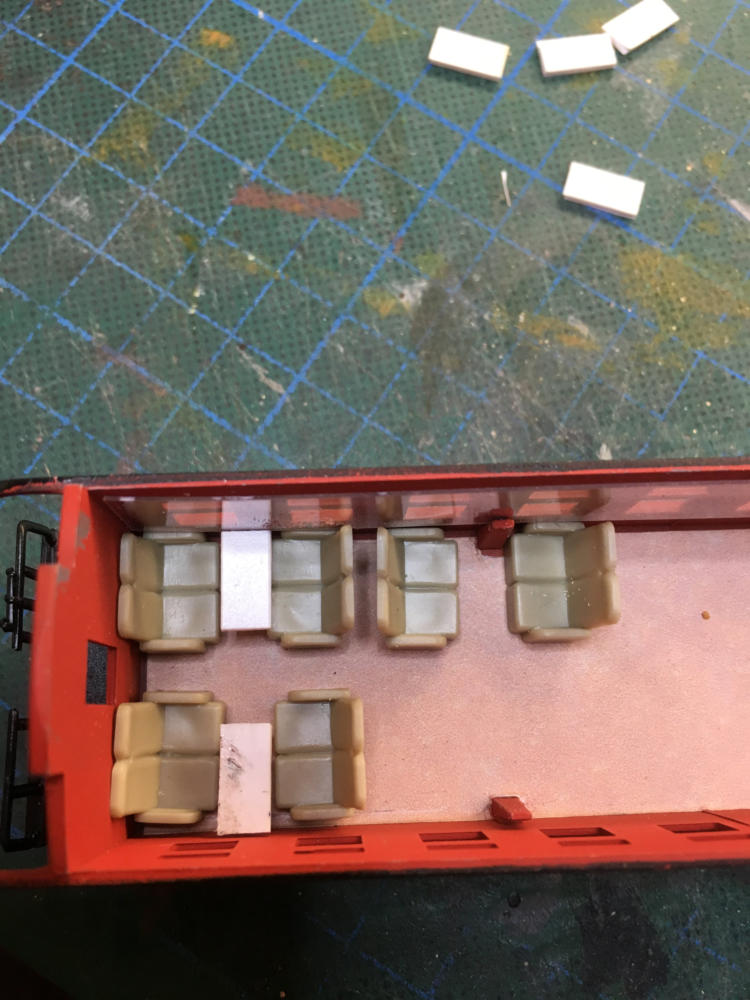
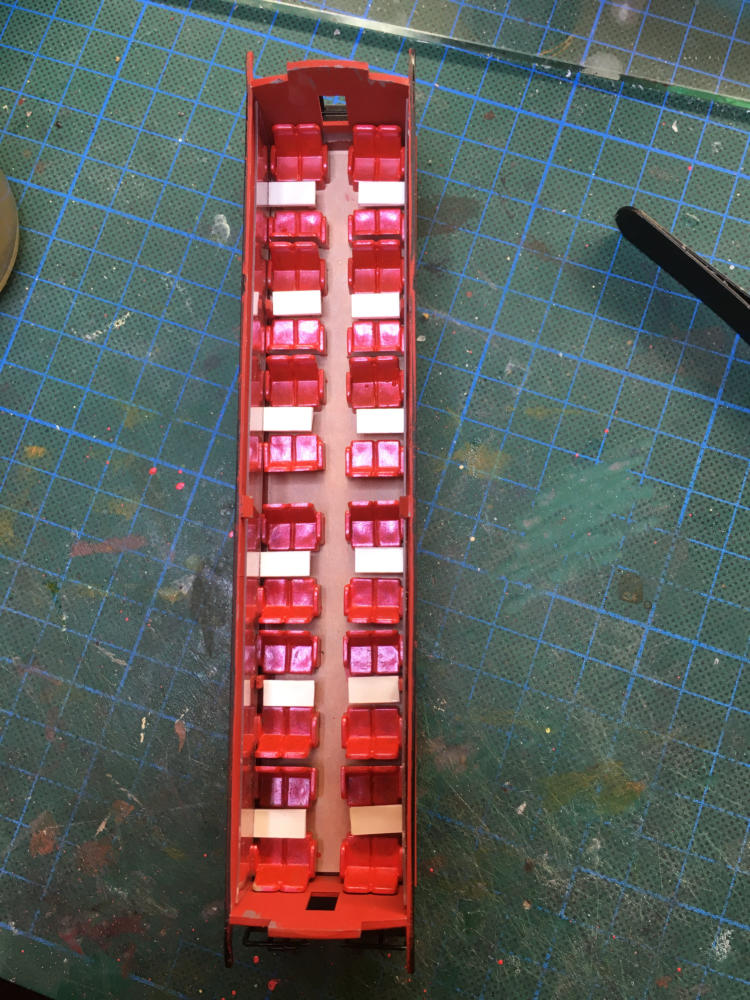

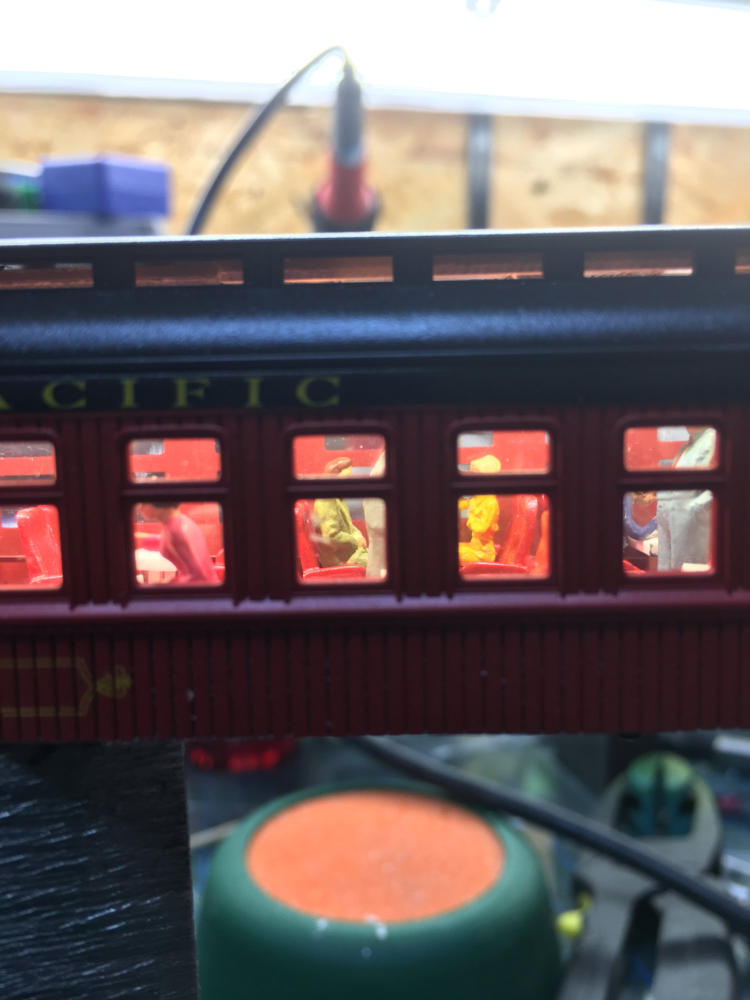

Grossery
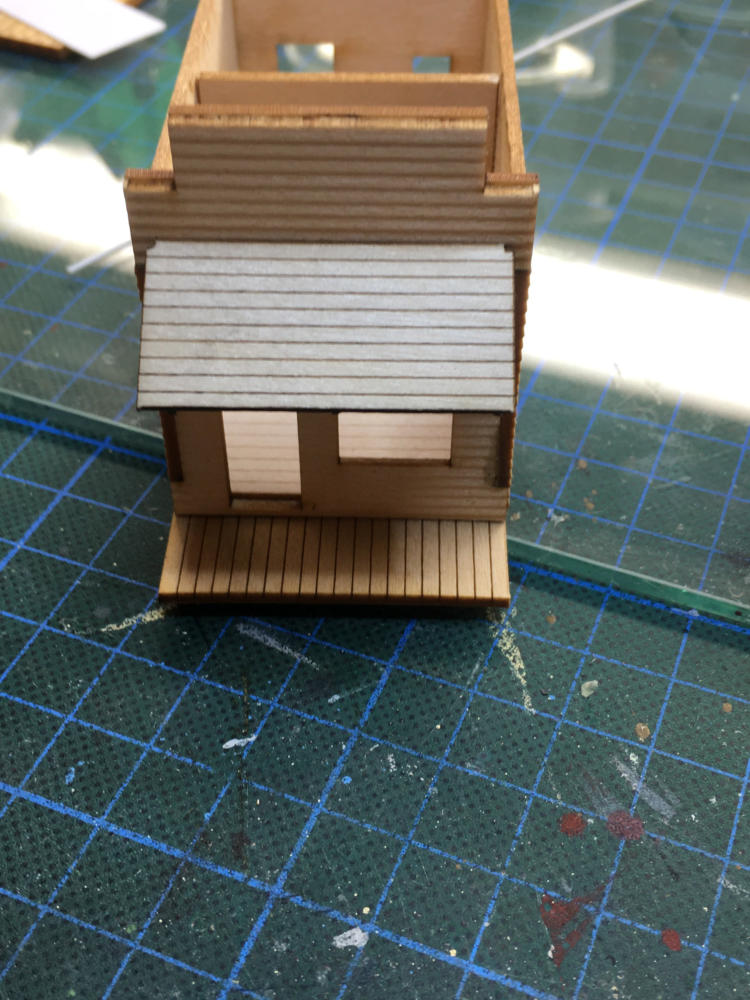
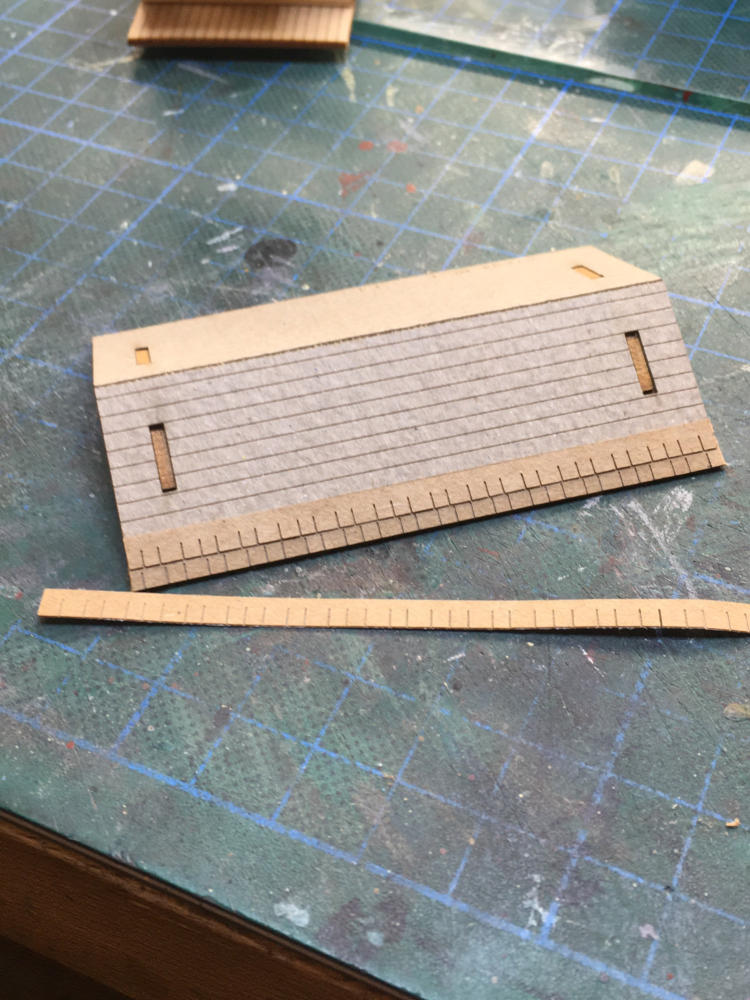
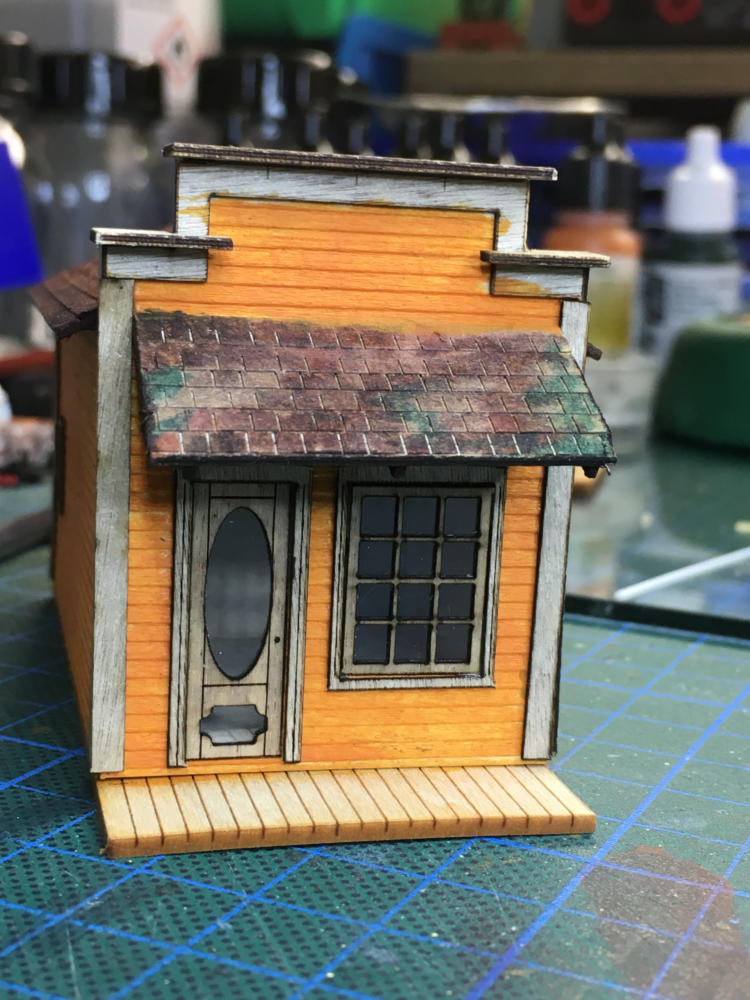
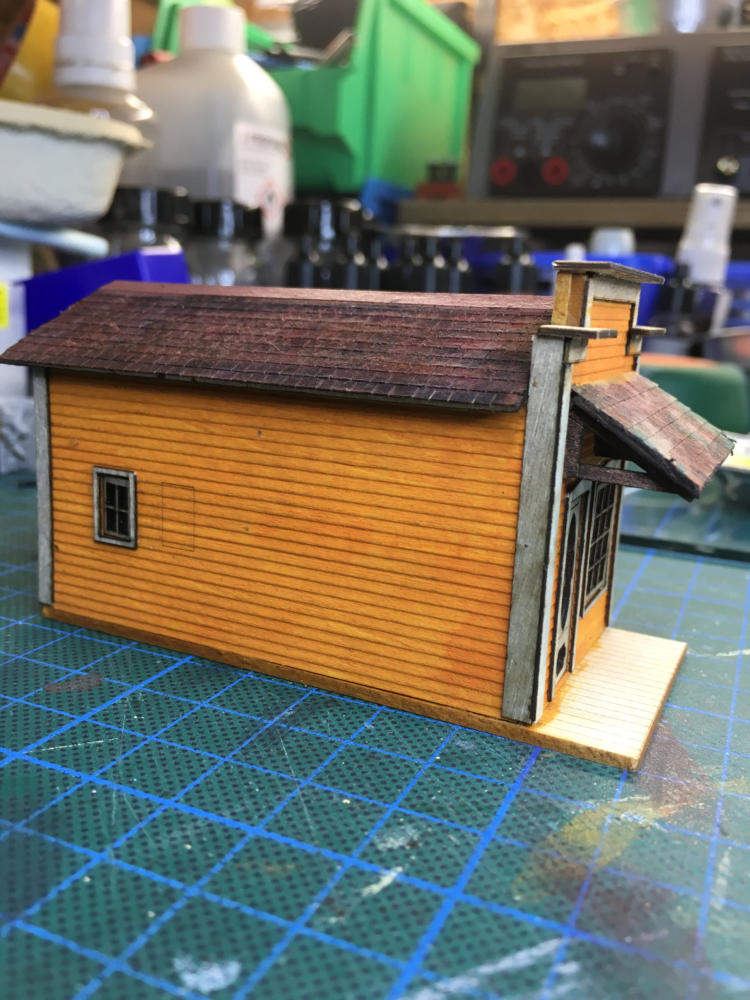
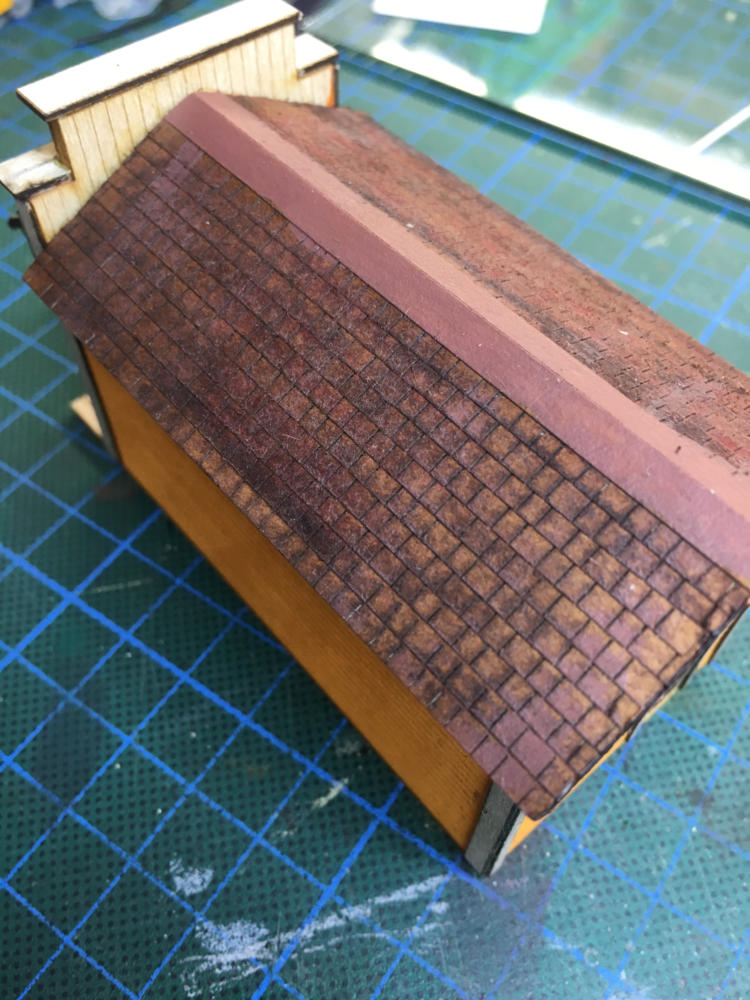
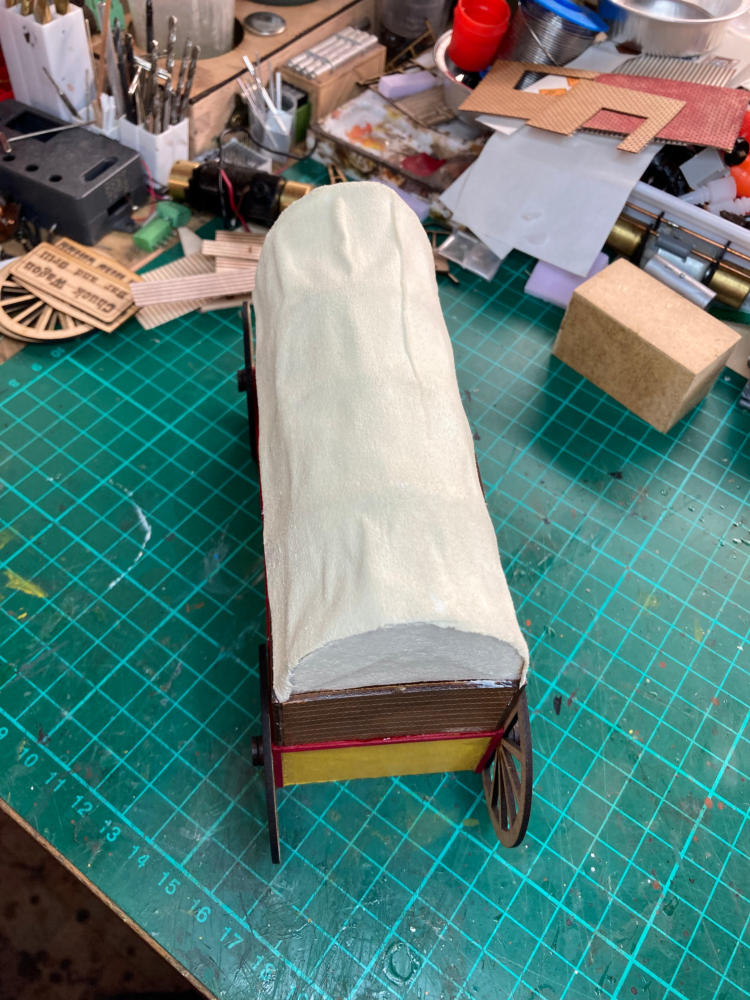
Chuckwagon Bar & Grill

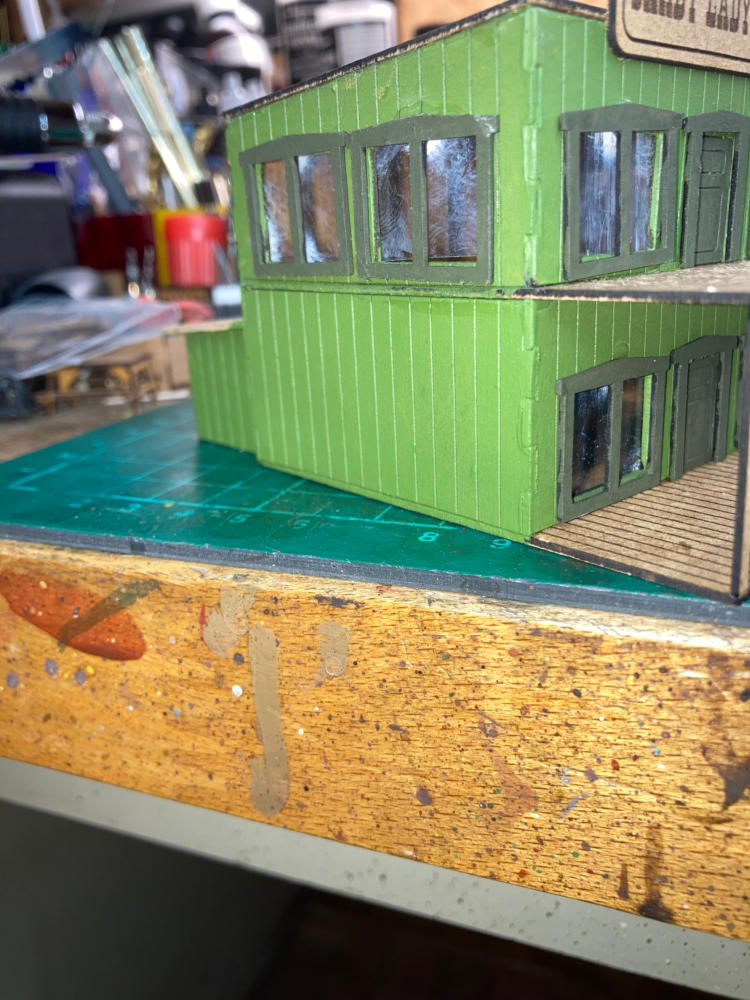
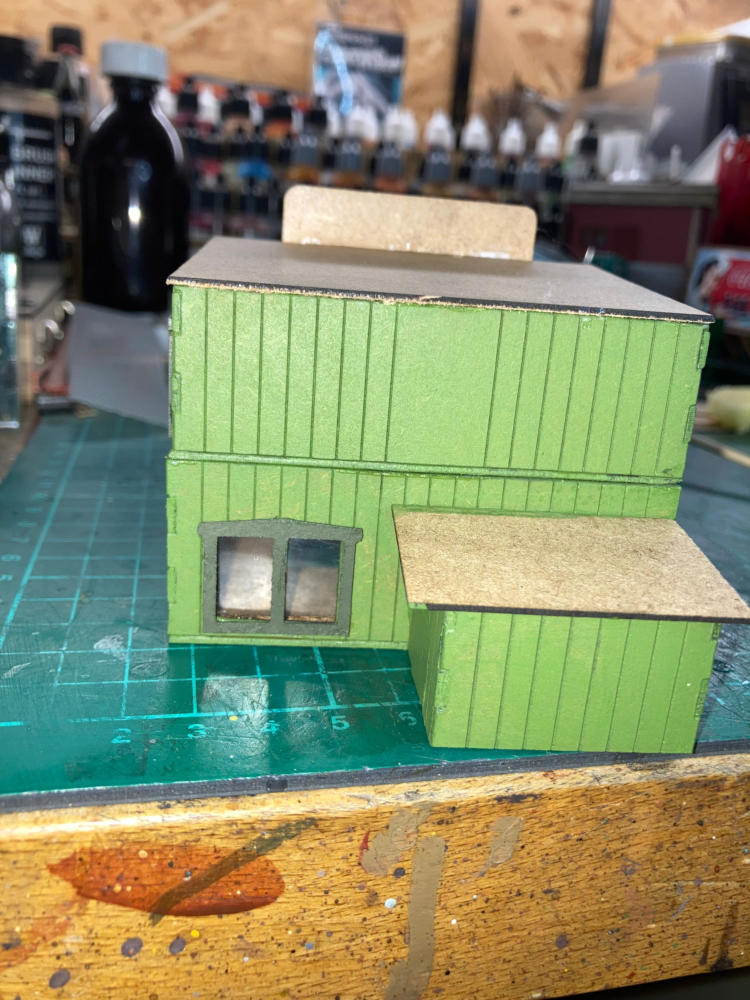
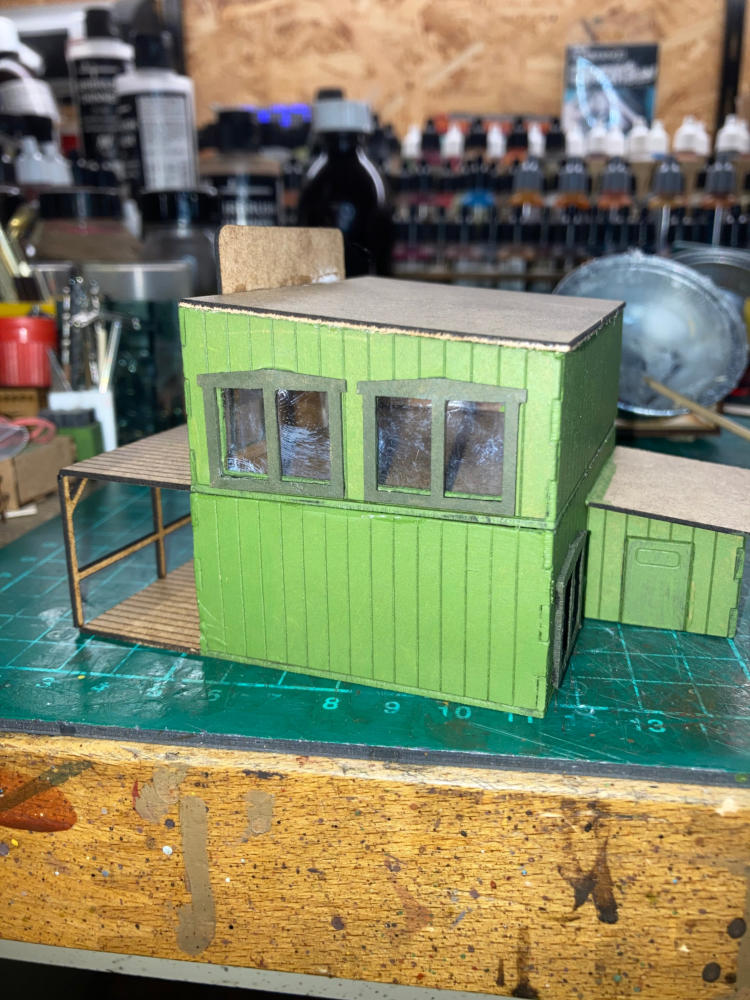
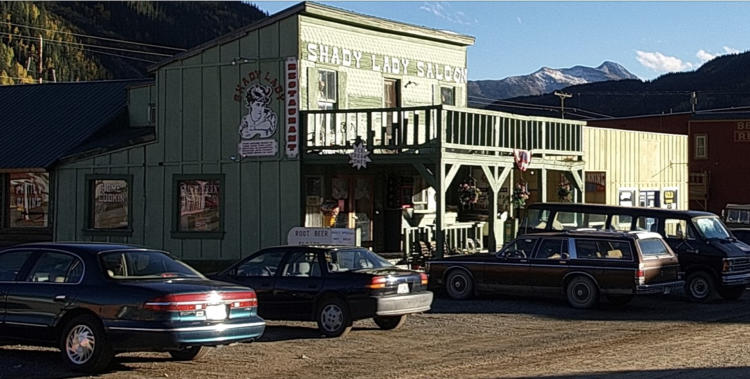
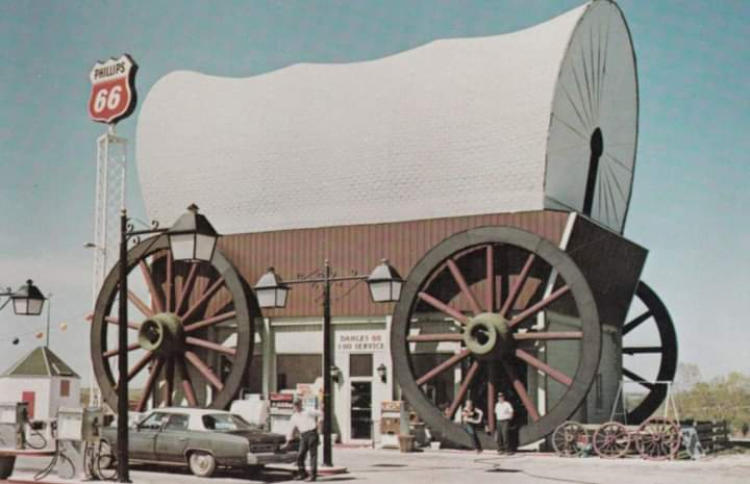
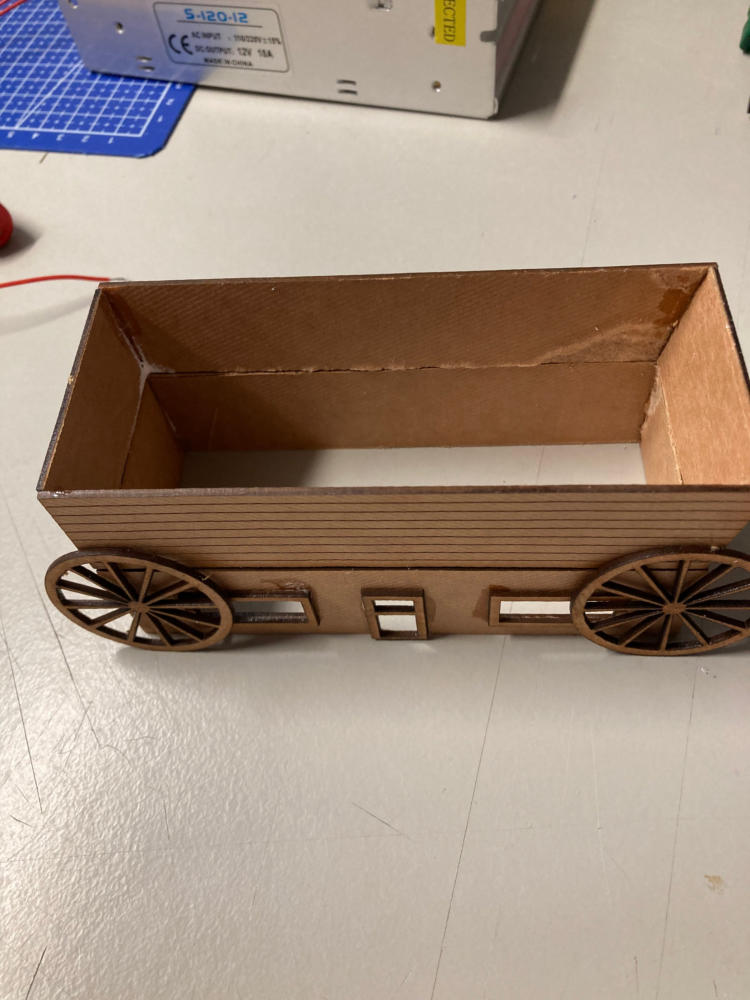
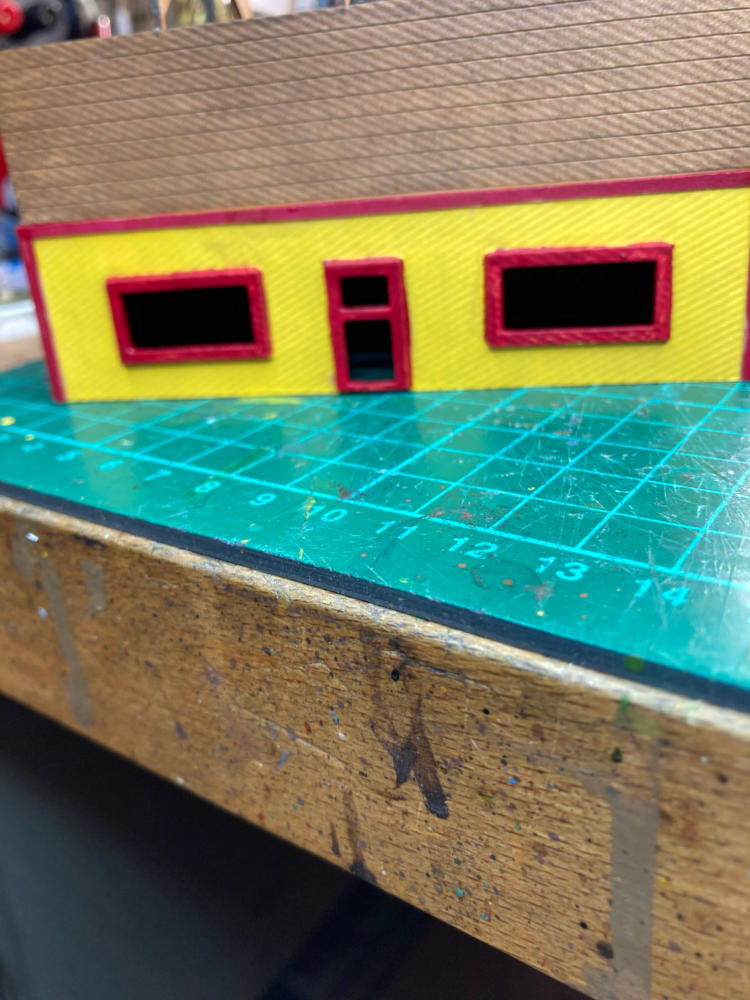
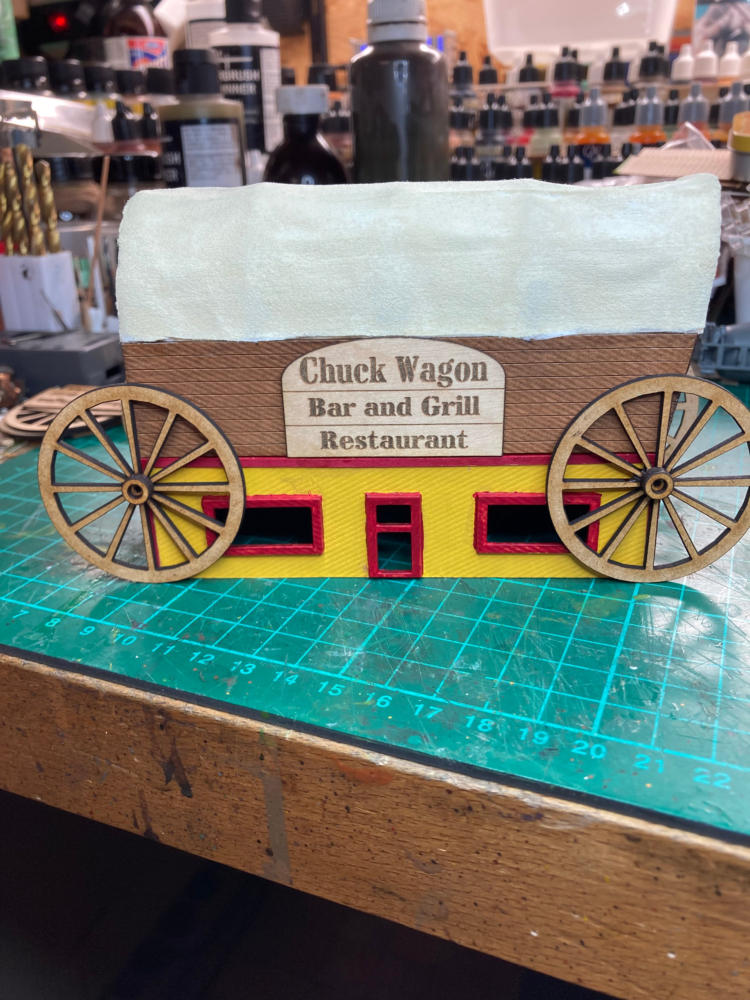
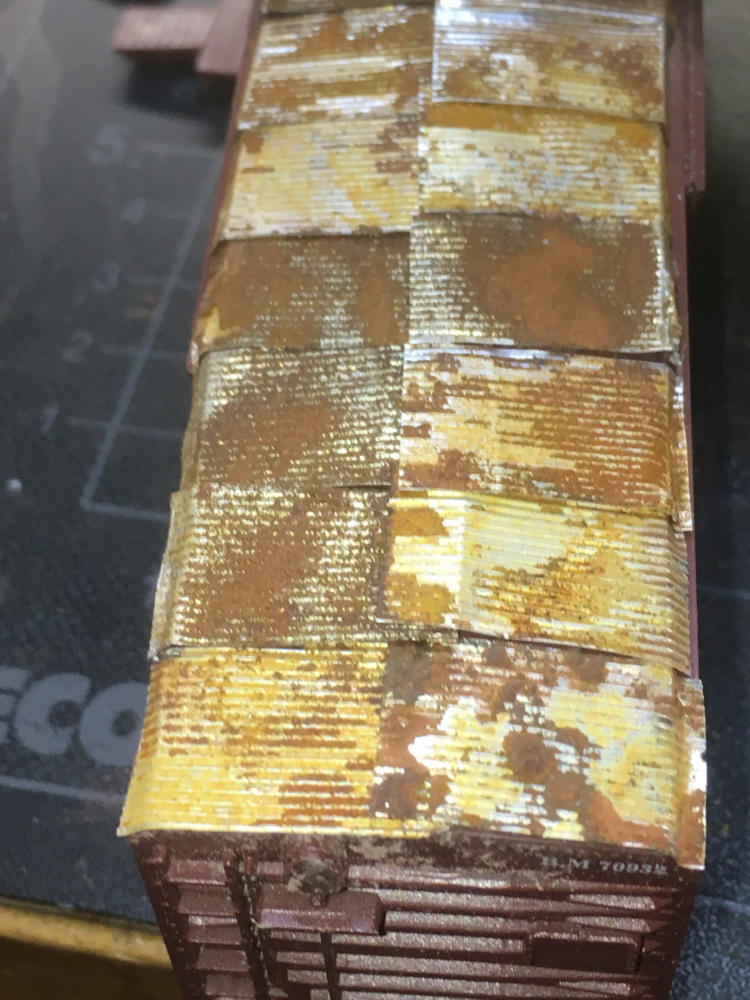
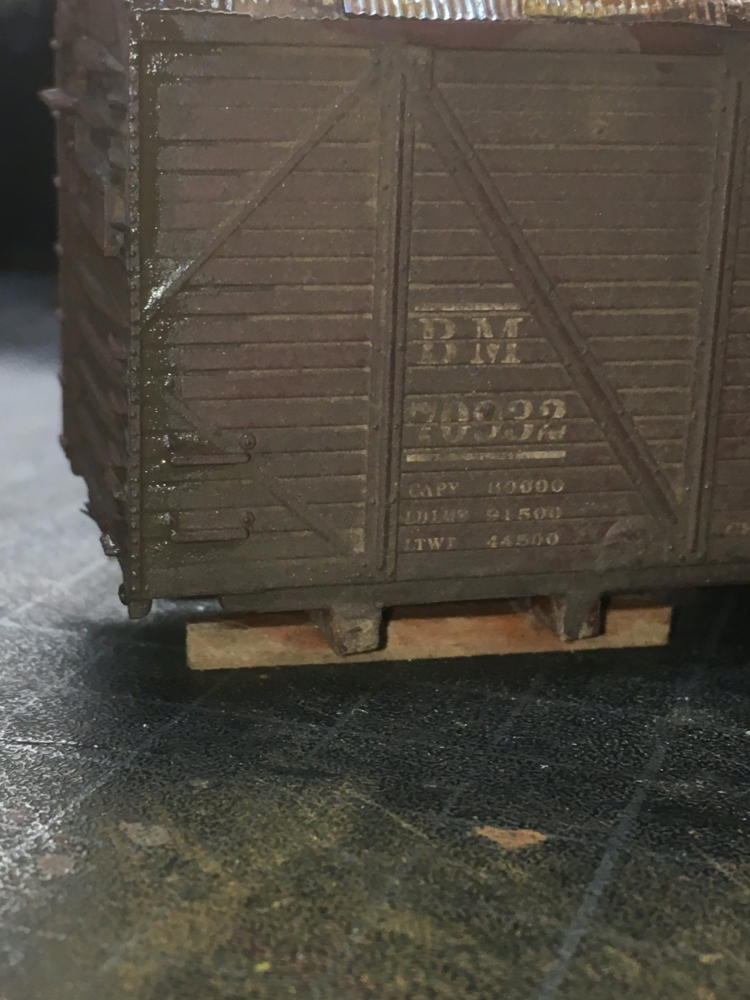
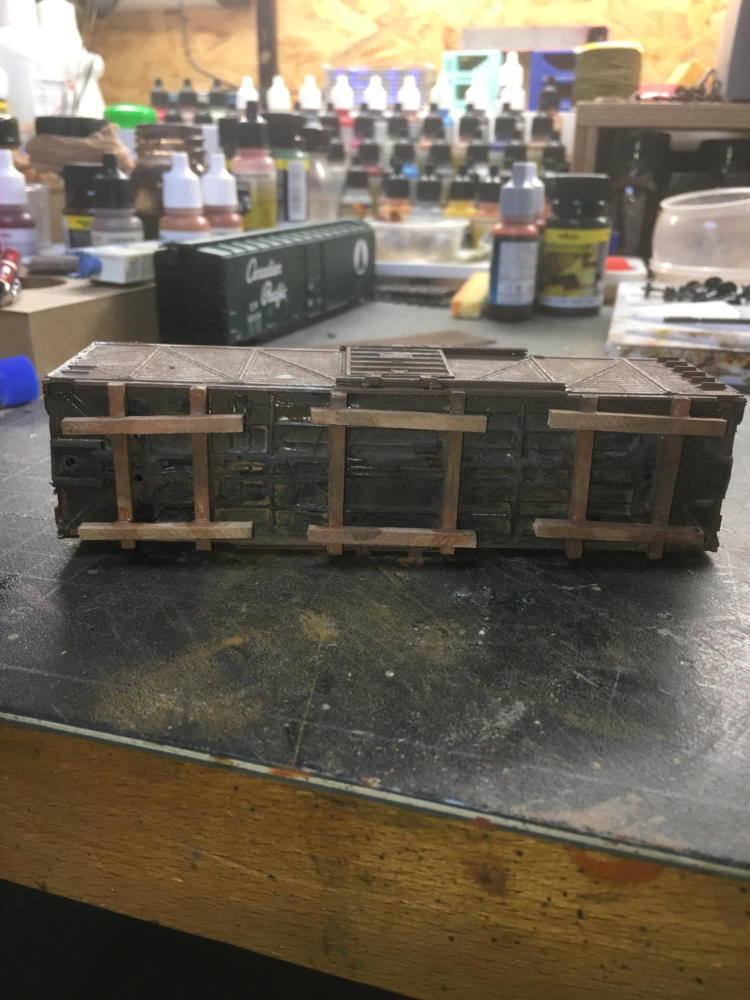
Boxcar as shed in the meadow
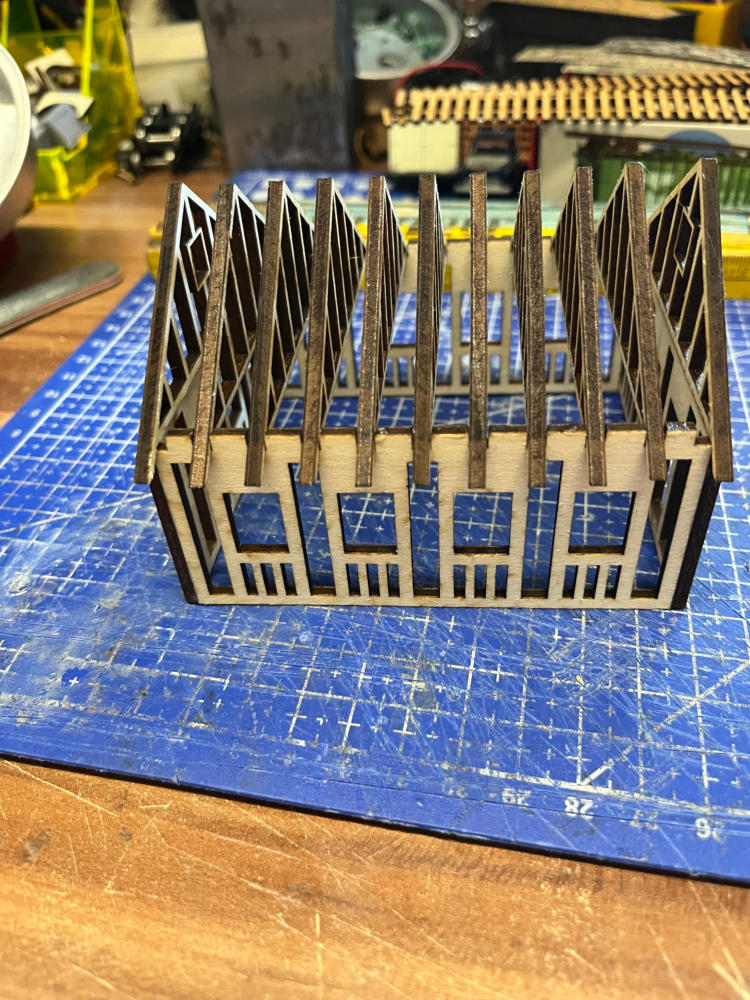
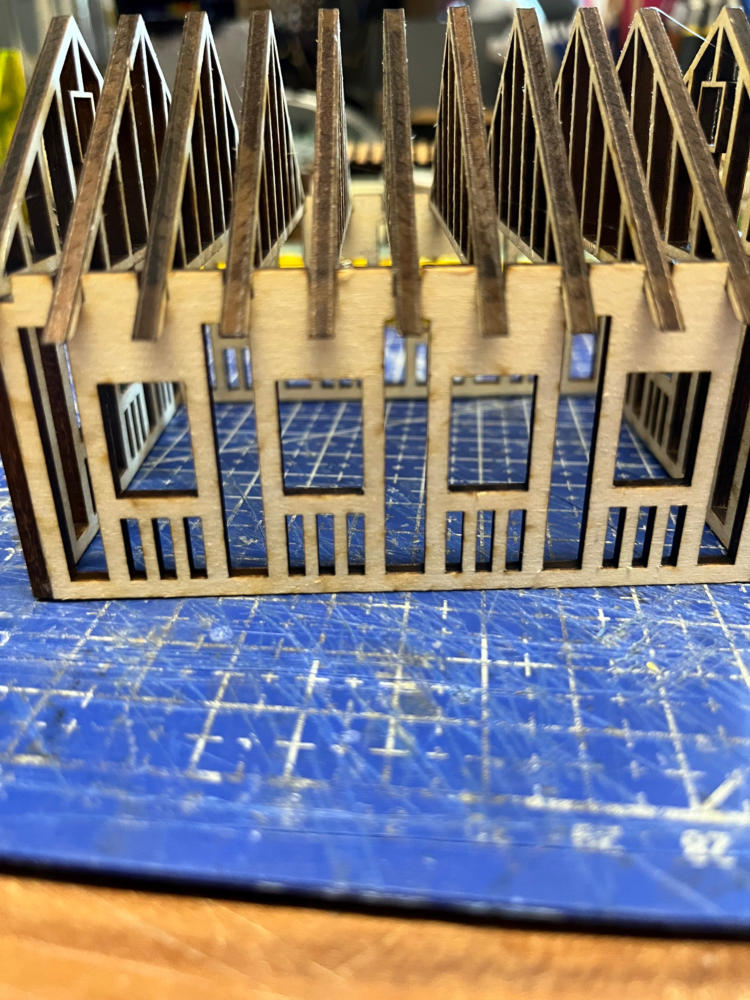
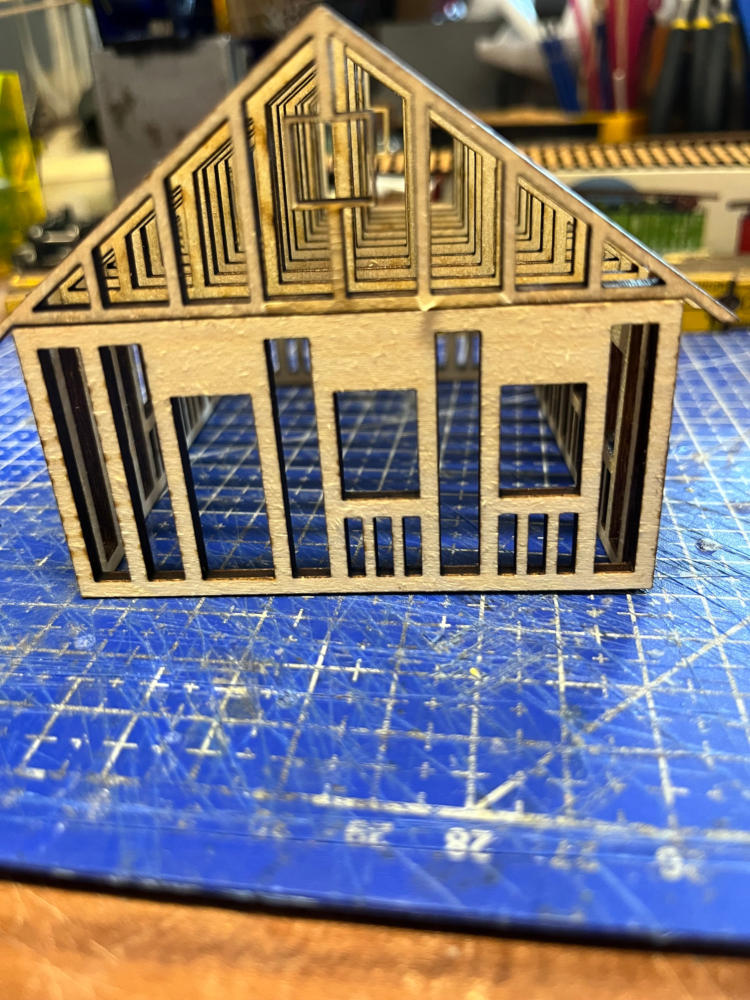
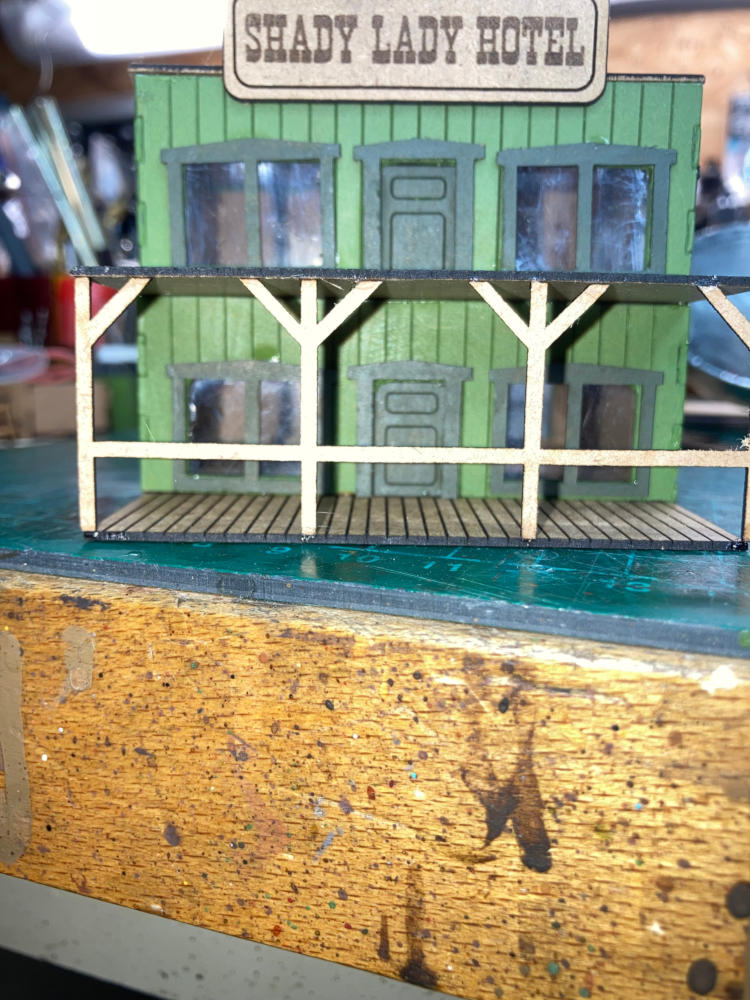
House under construction

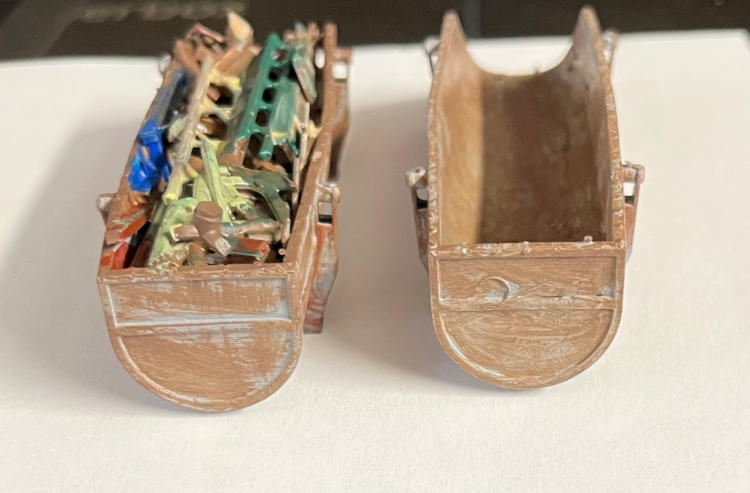
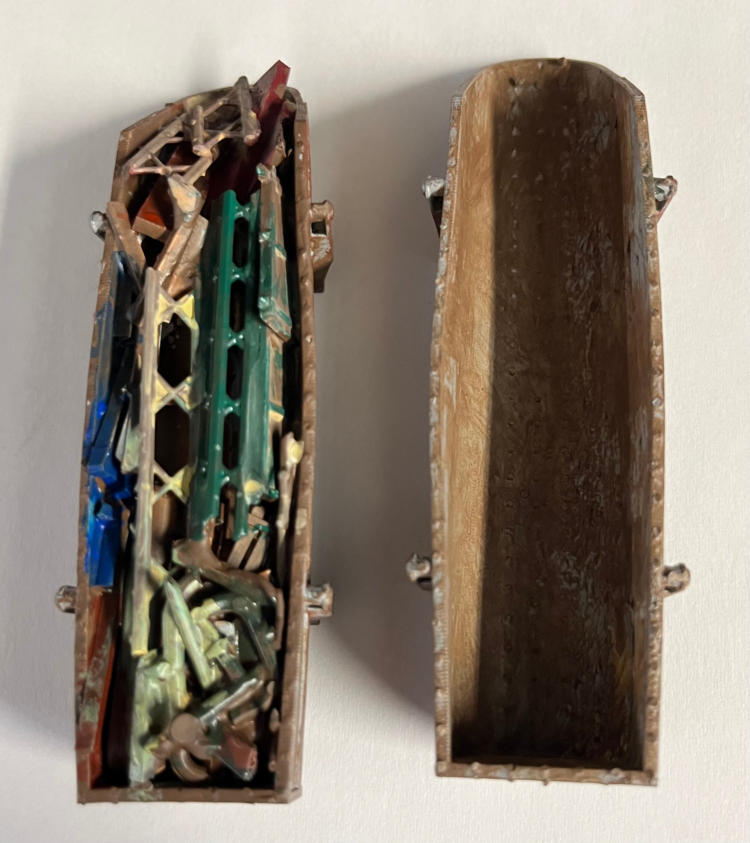
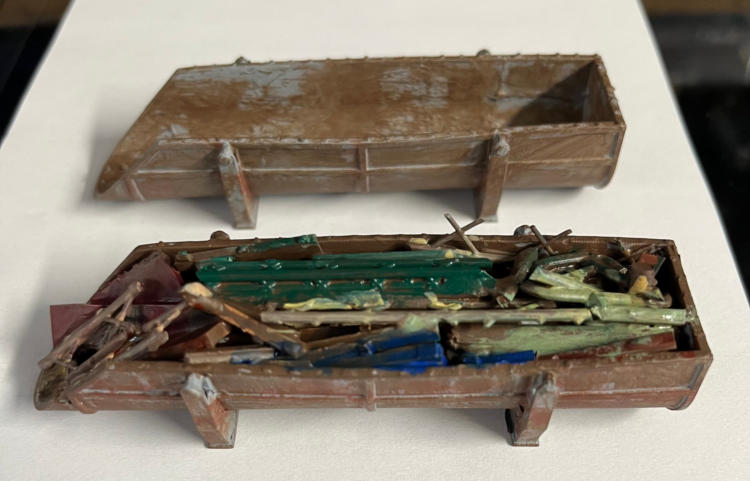

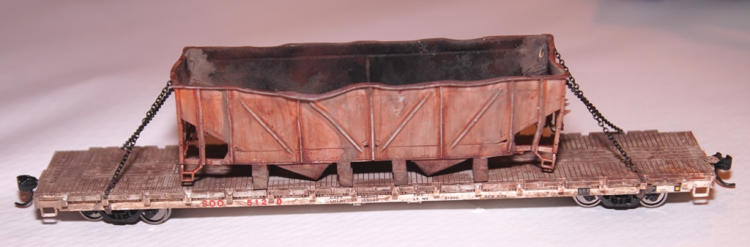
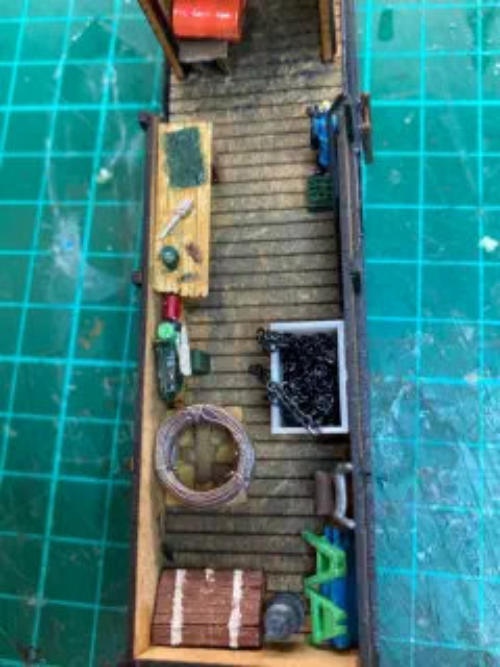
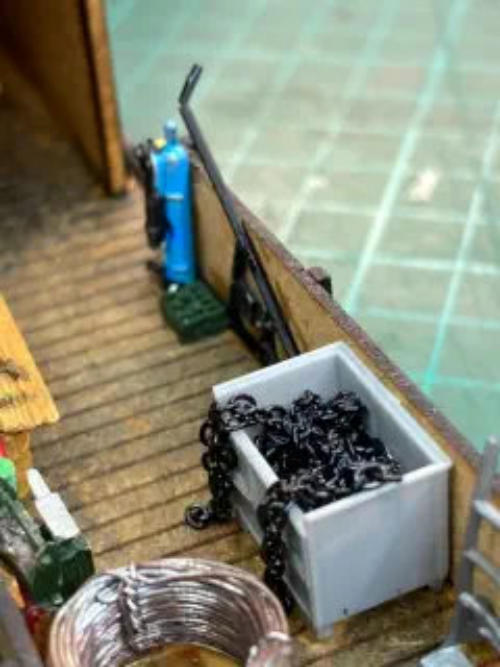
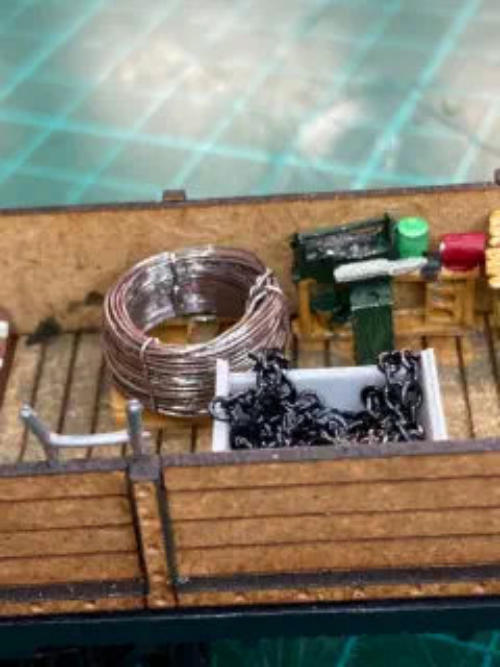
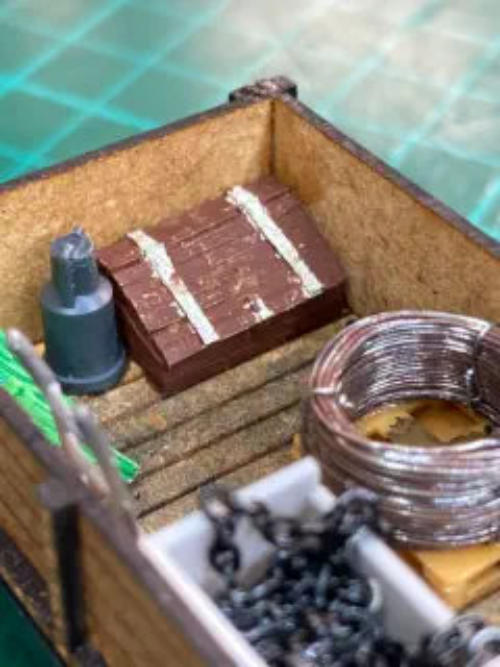
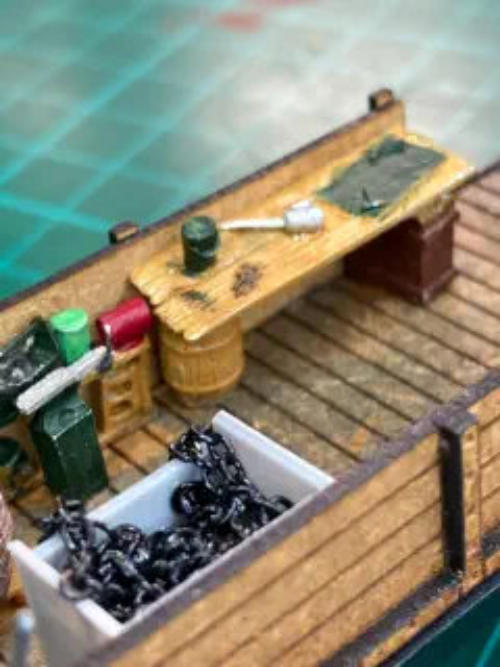
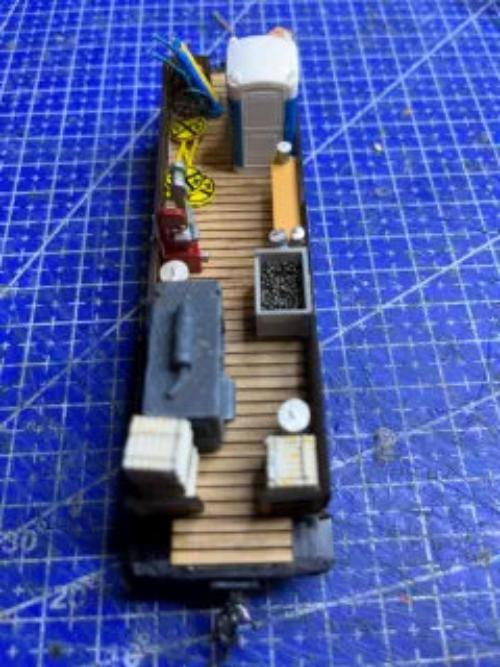
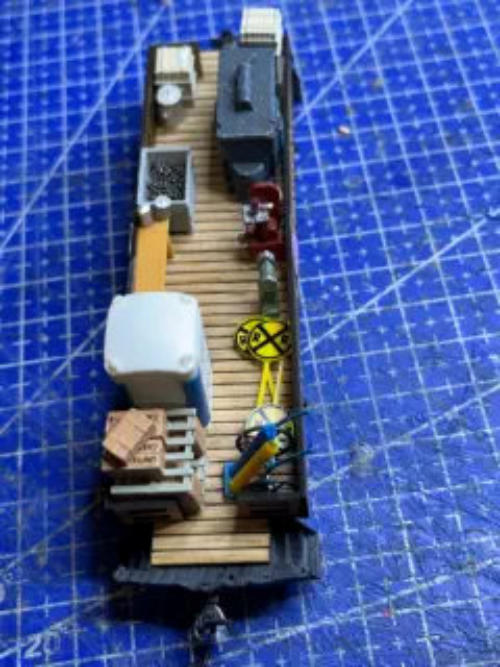
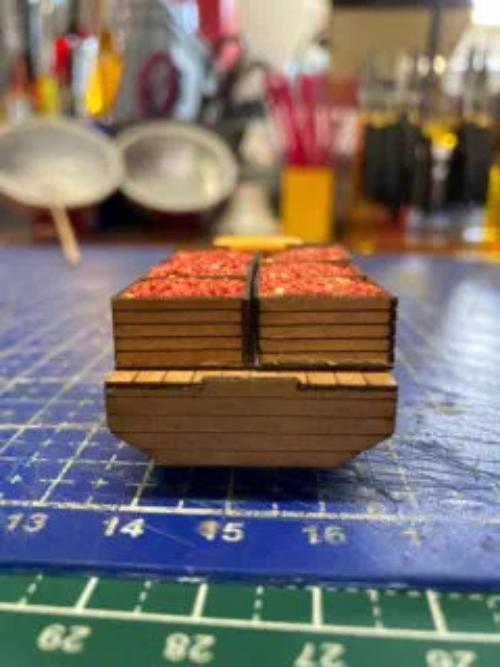
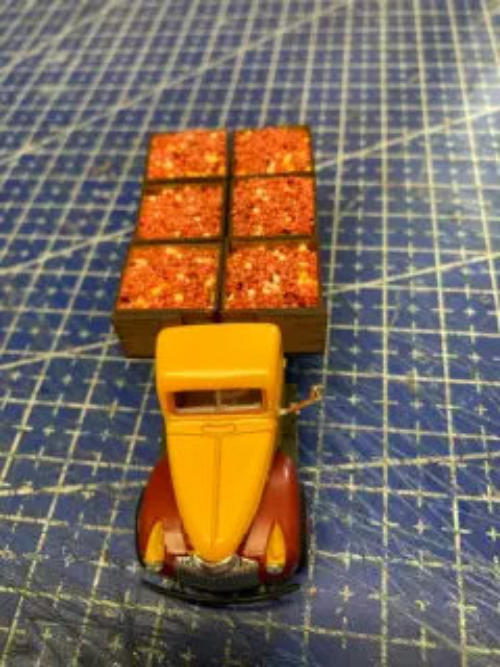
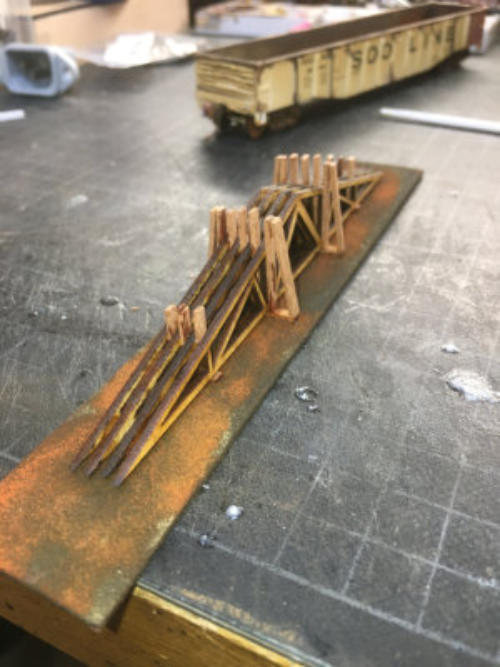
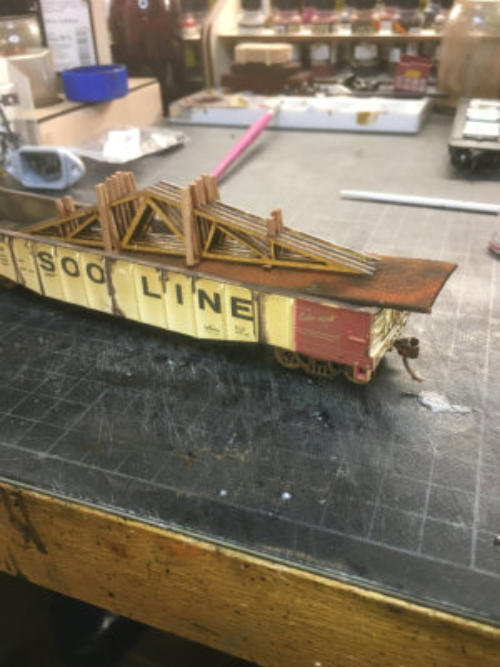
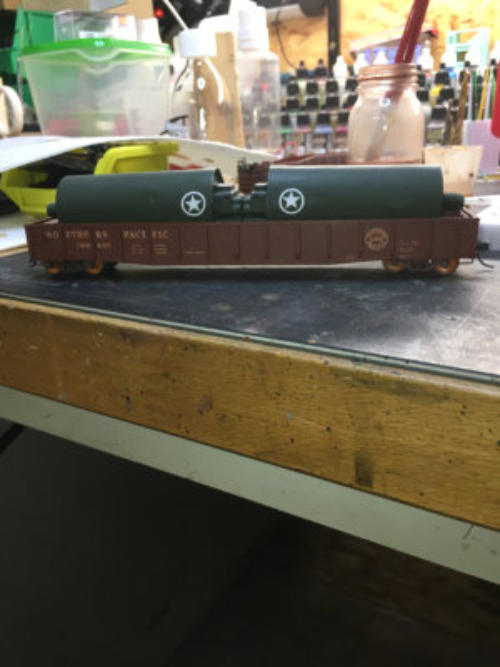
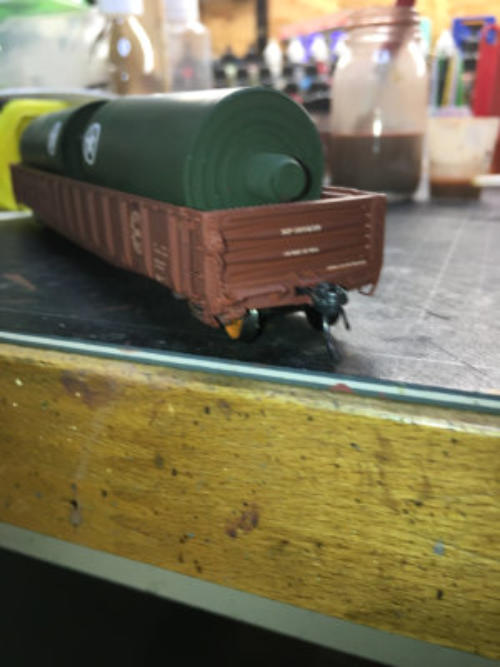
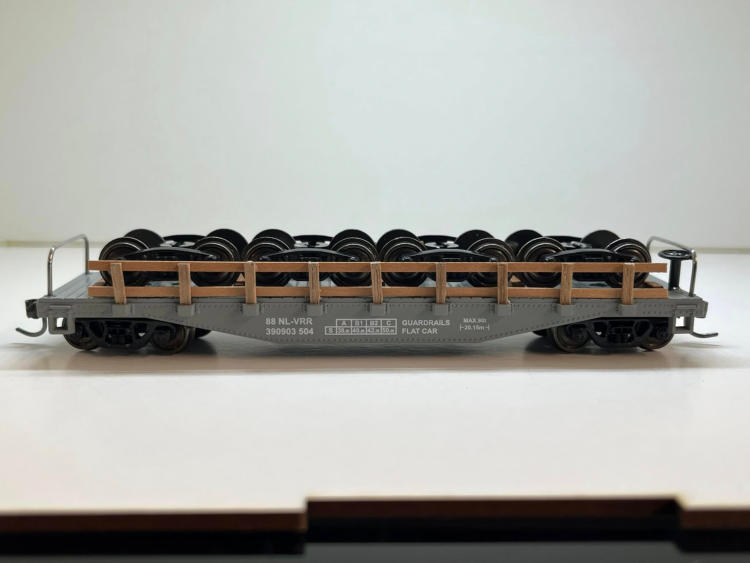
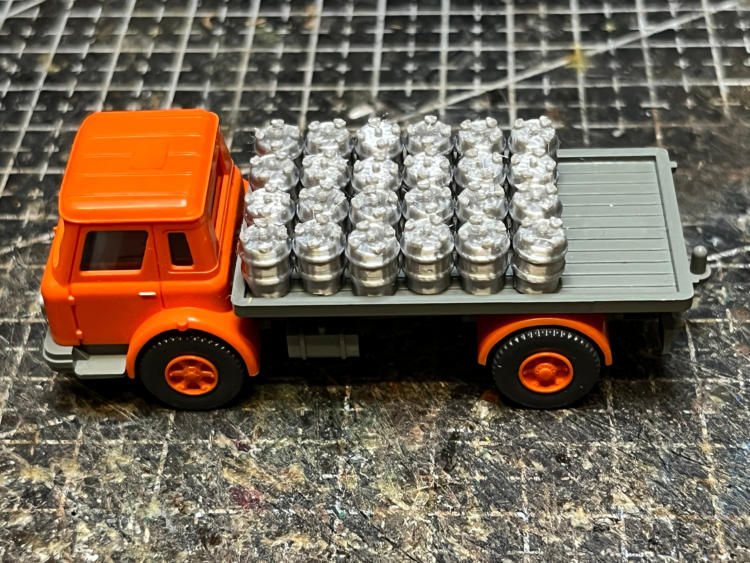
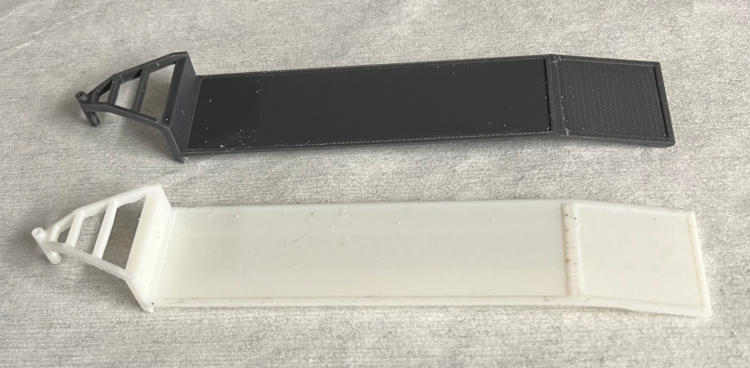
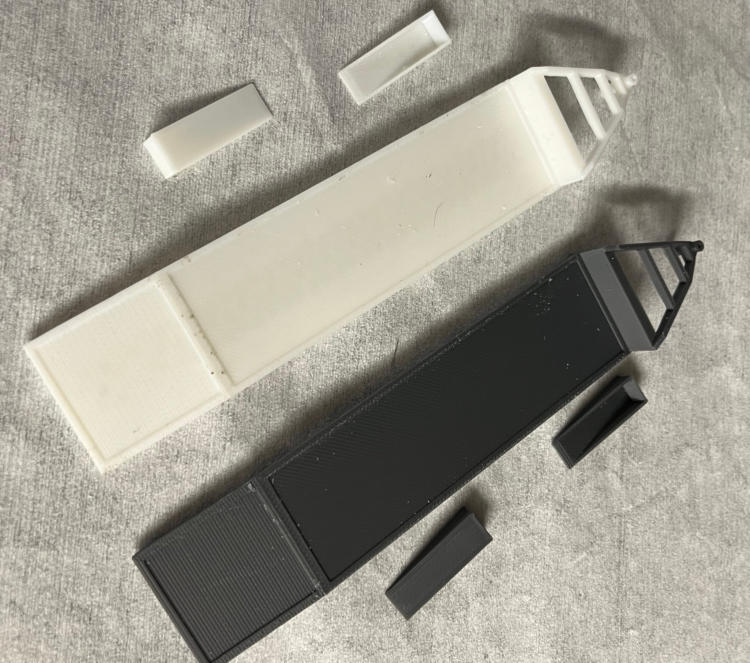
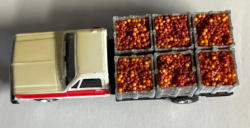
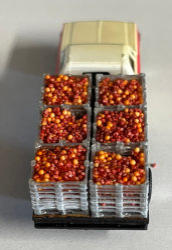
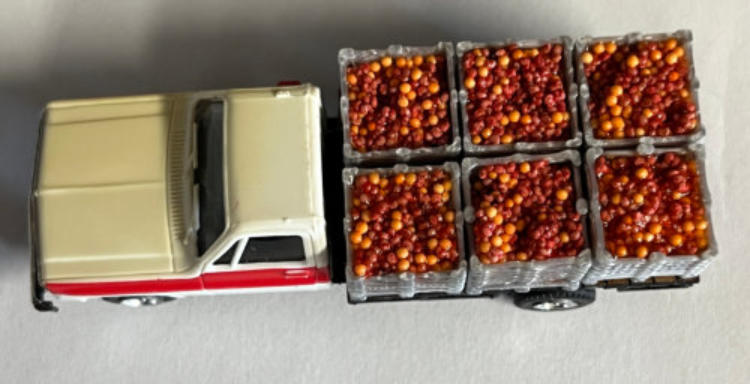
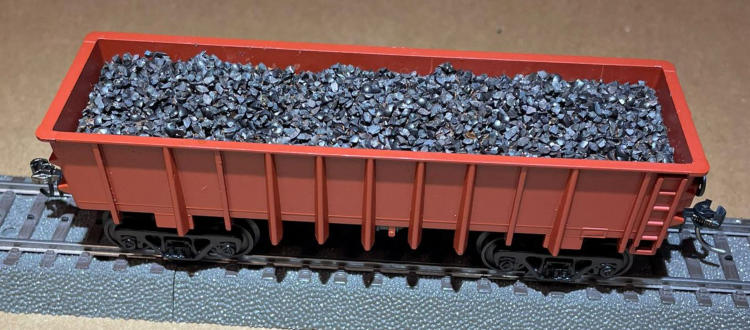
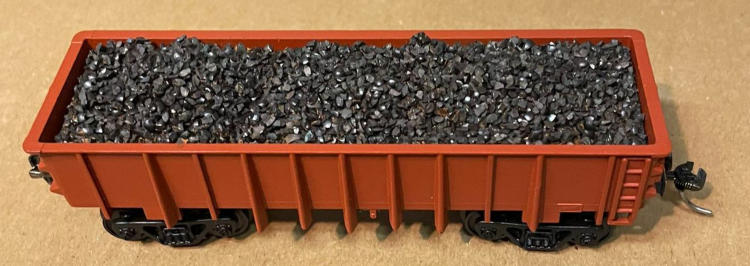
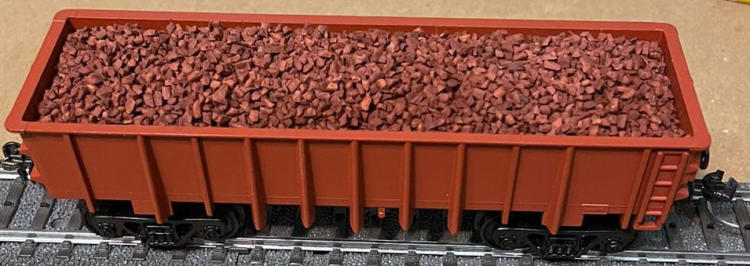
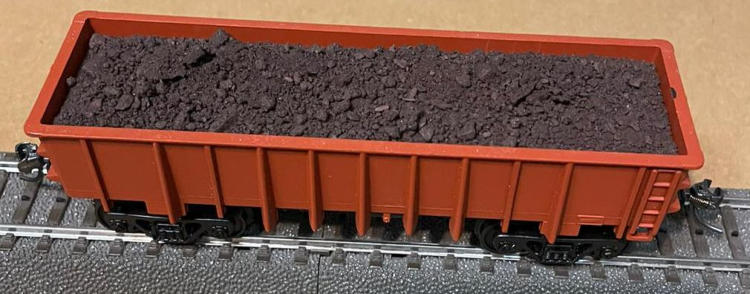
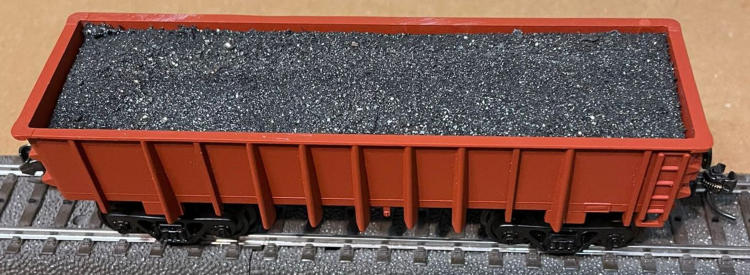
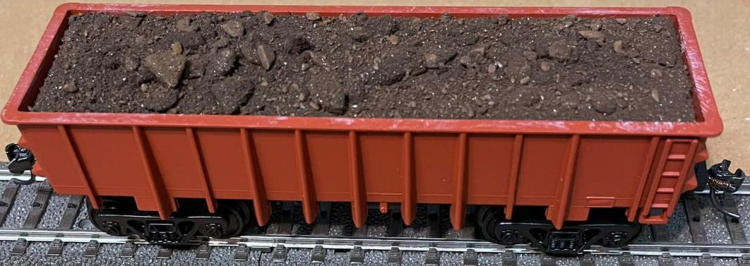
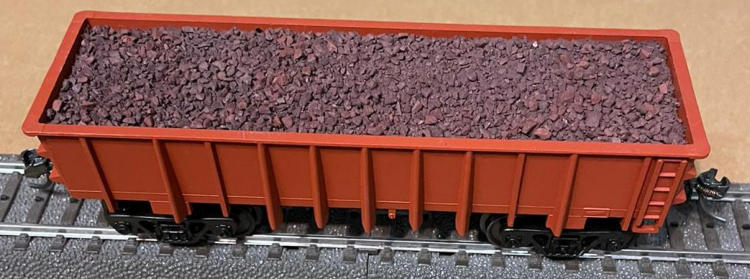
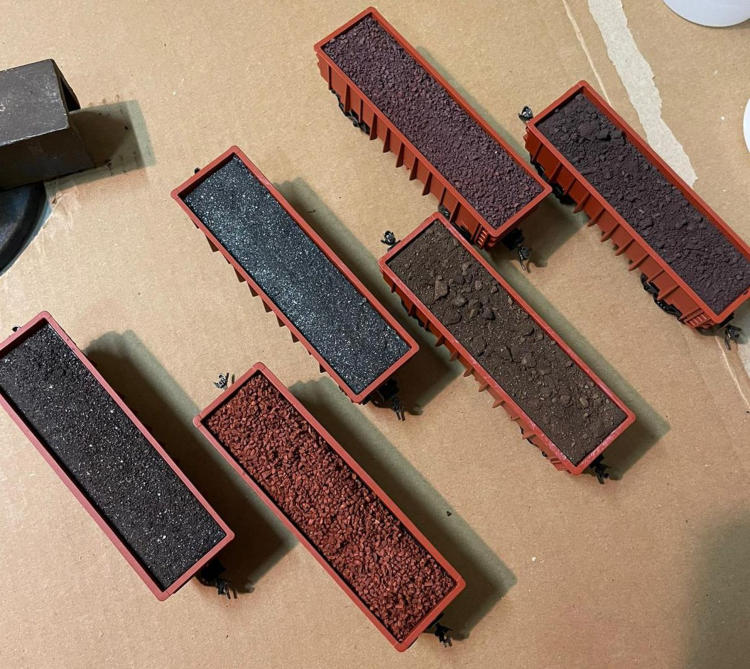
Ein Freund aus Frankreich hat mir die Bin‘s im 3D gedruckt, ich habe sie farblich bearbeitet und eine beladen
Un ami de France a imprimé les trémies à ferraille pour moi en 3D, je les ai coloriées et chargées une
A friend from France printed the bins for me in 3D, I colored them and loaded one








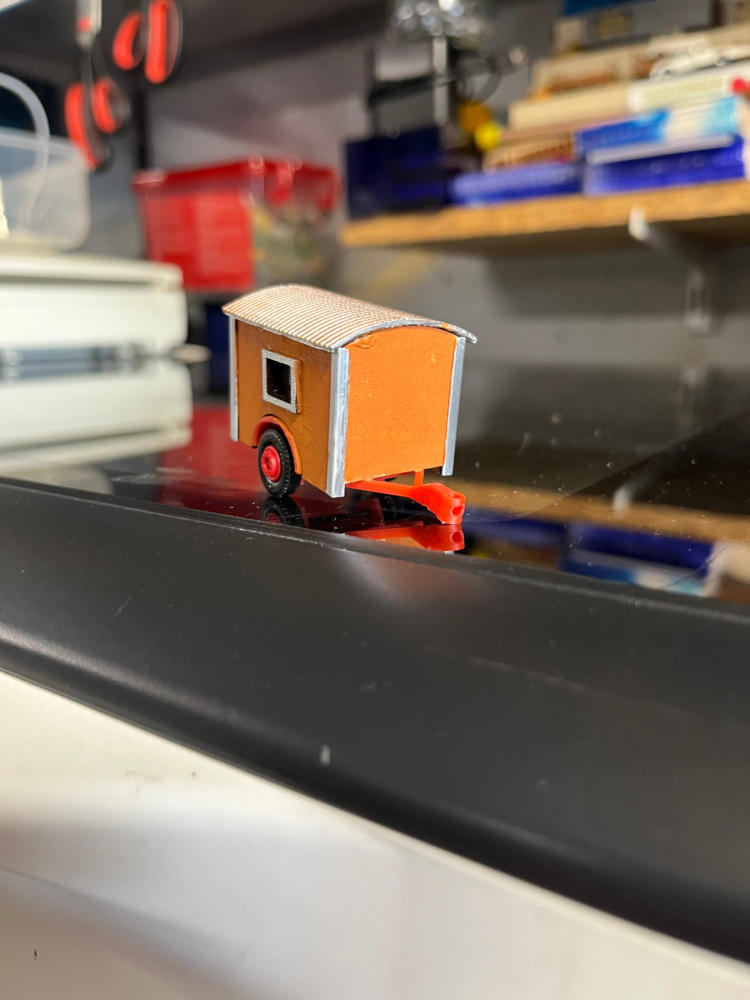
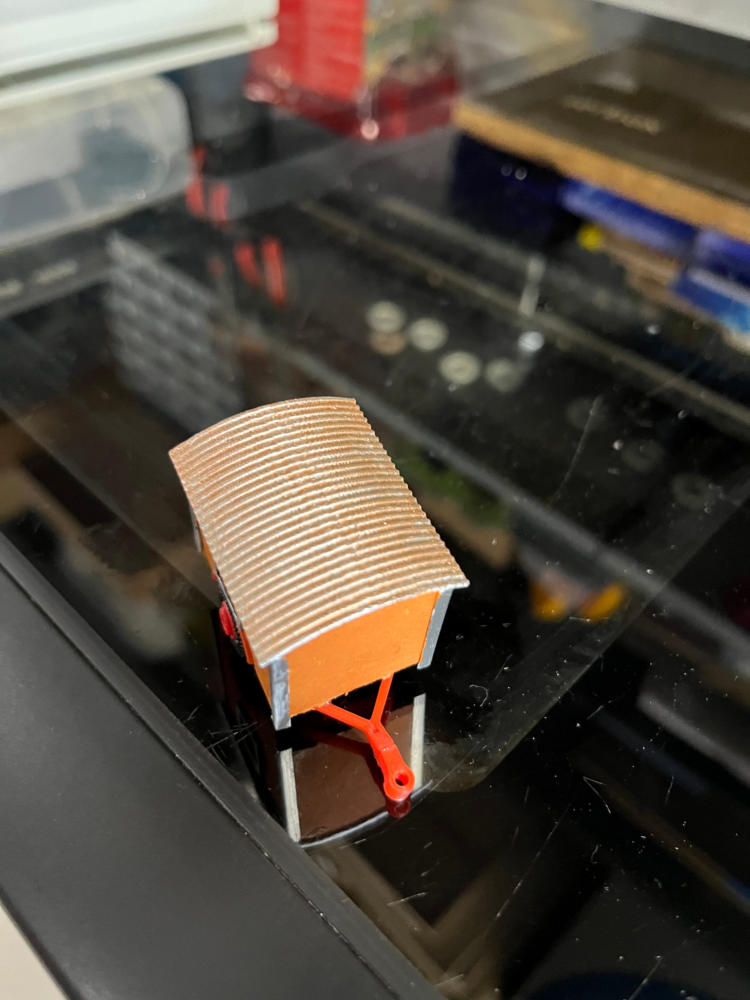





















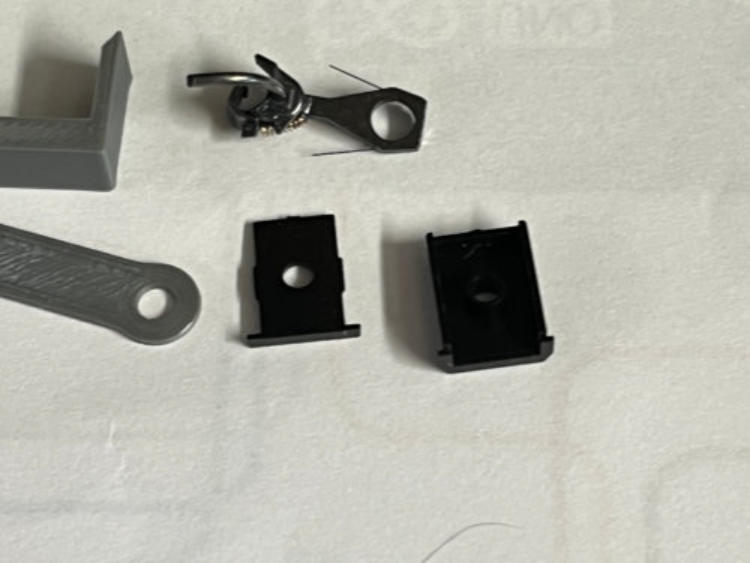
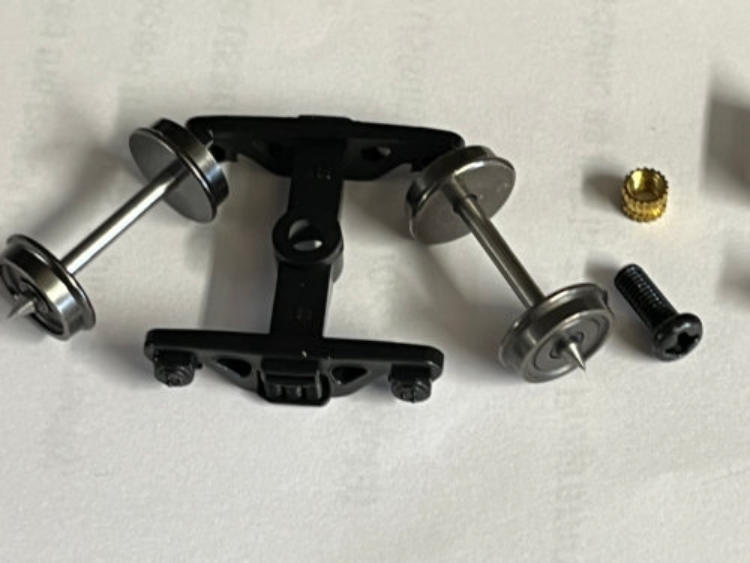




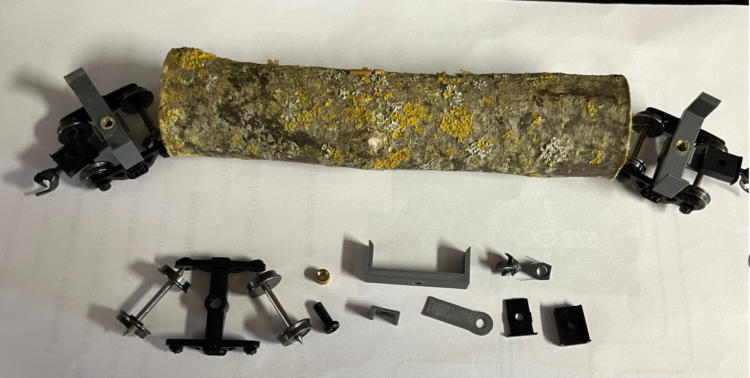

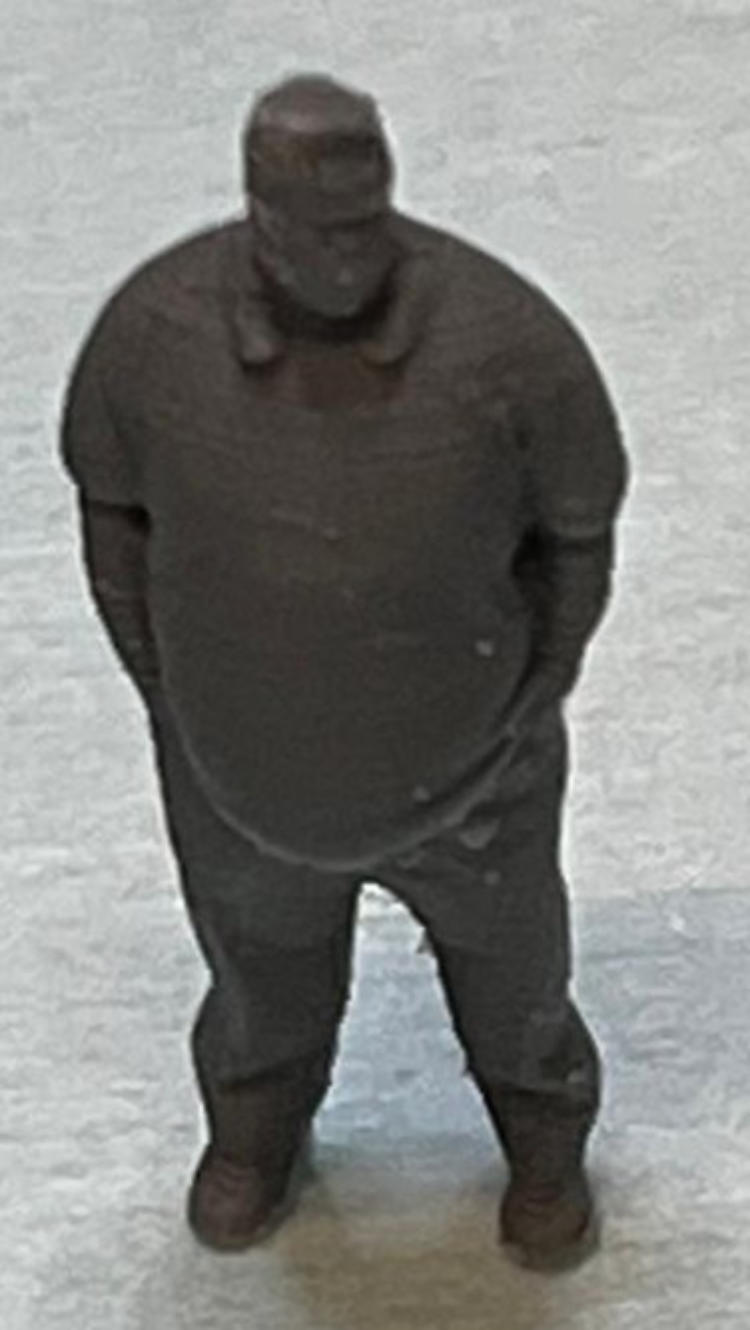
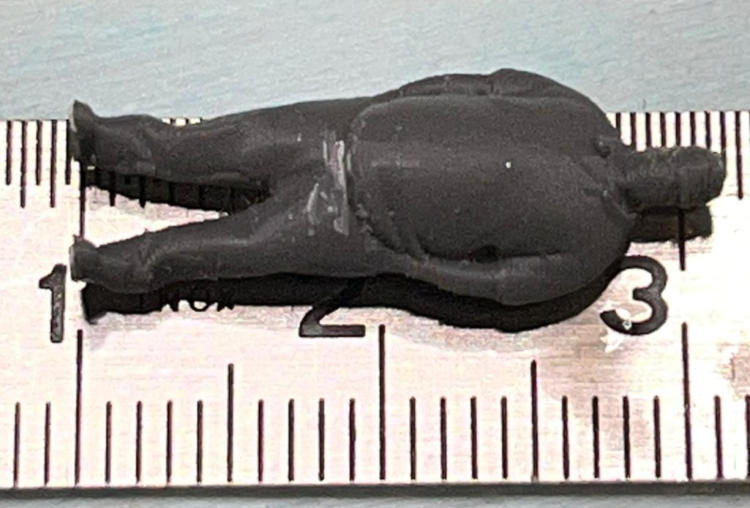

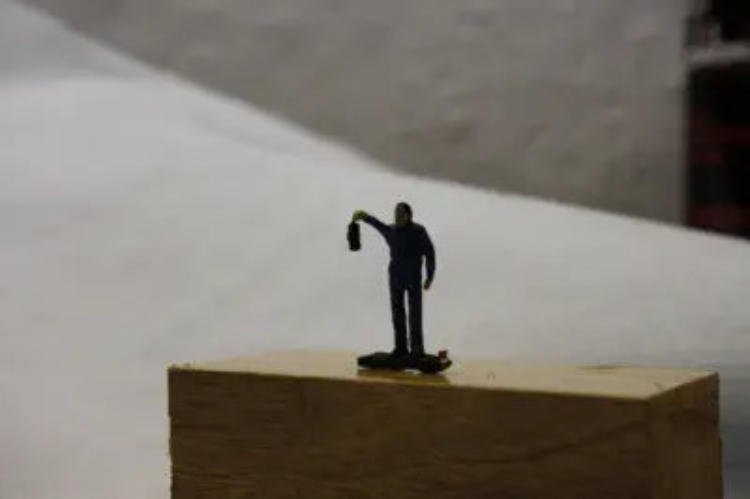

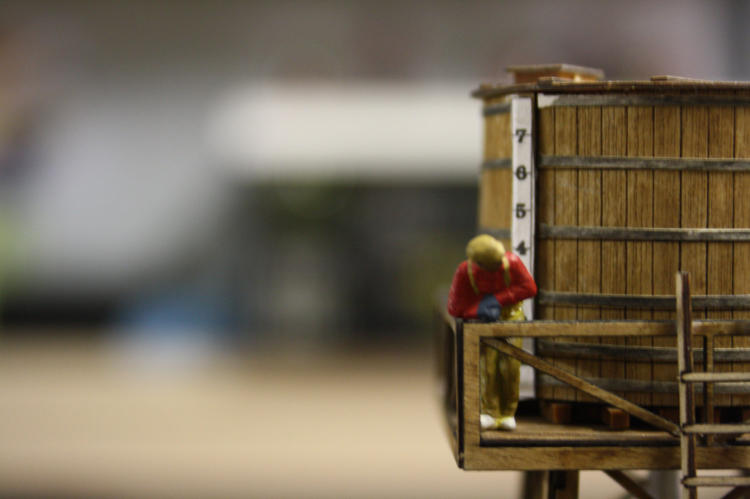
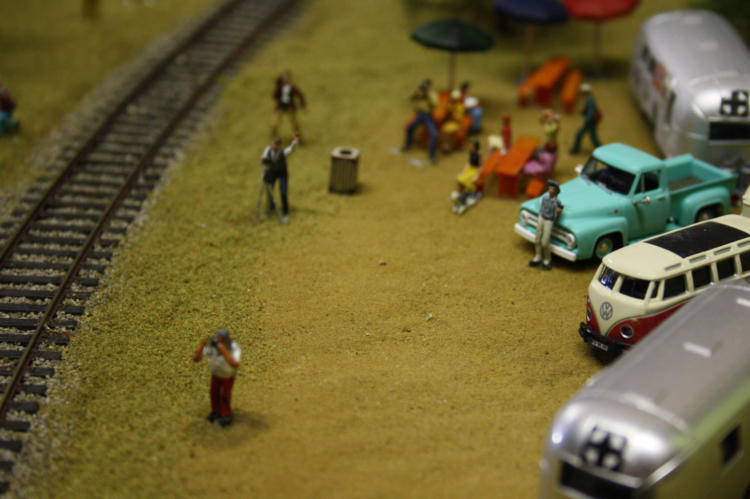


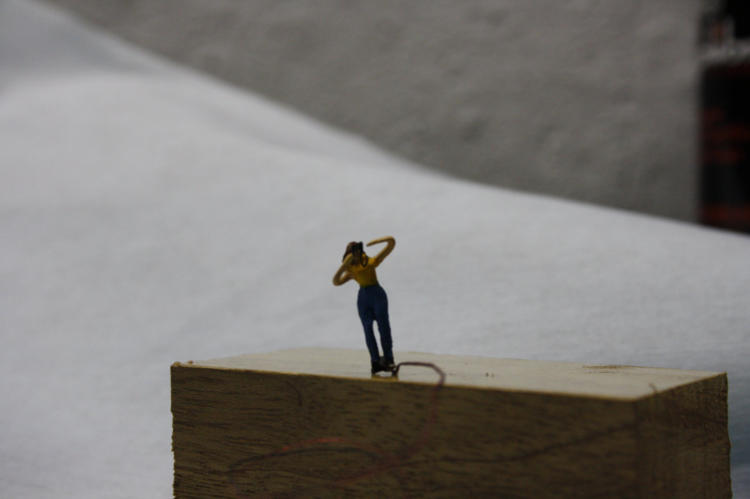
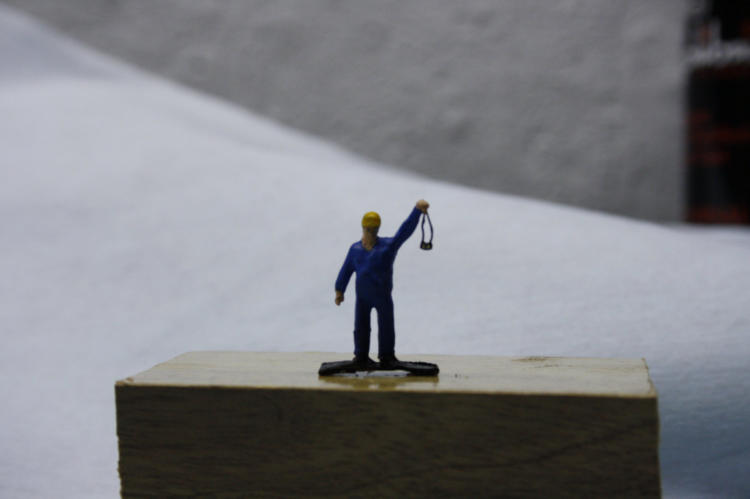



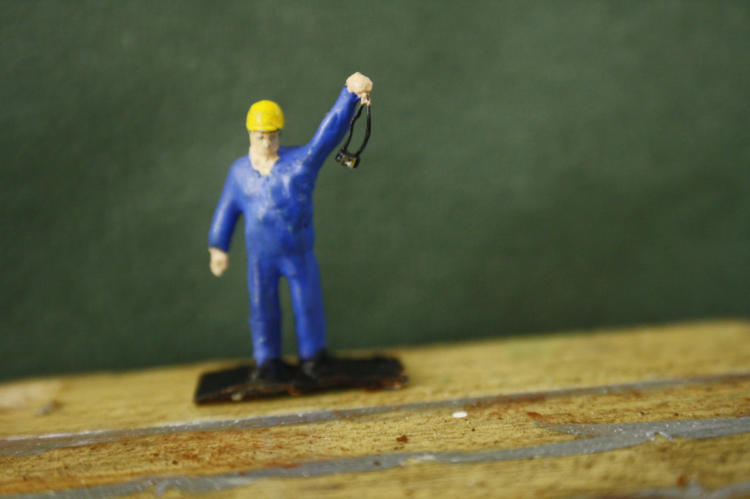
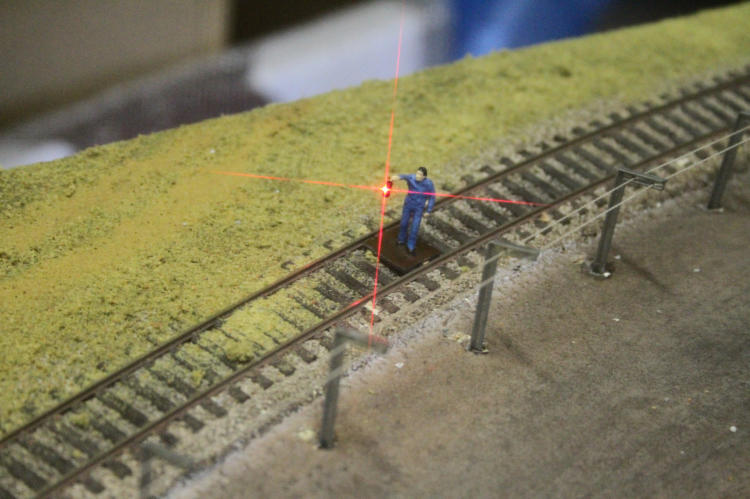

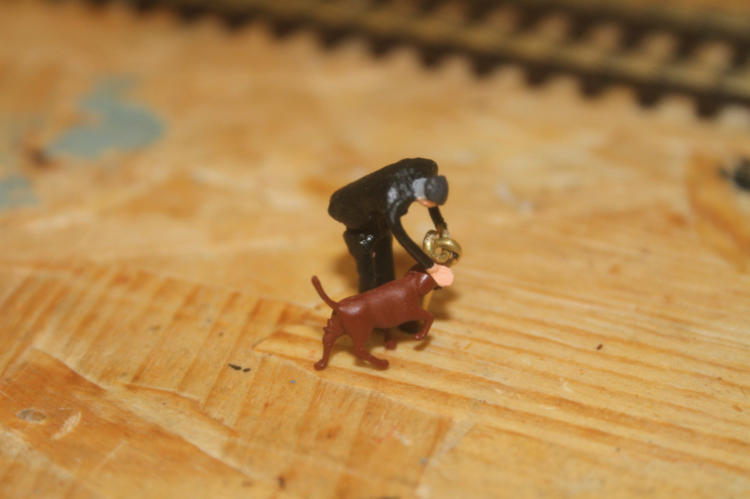

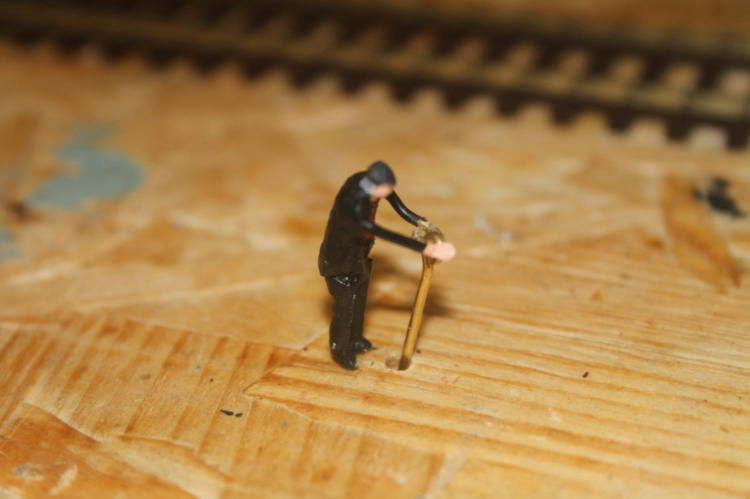
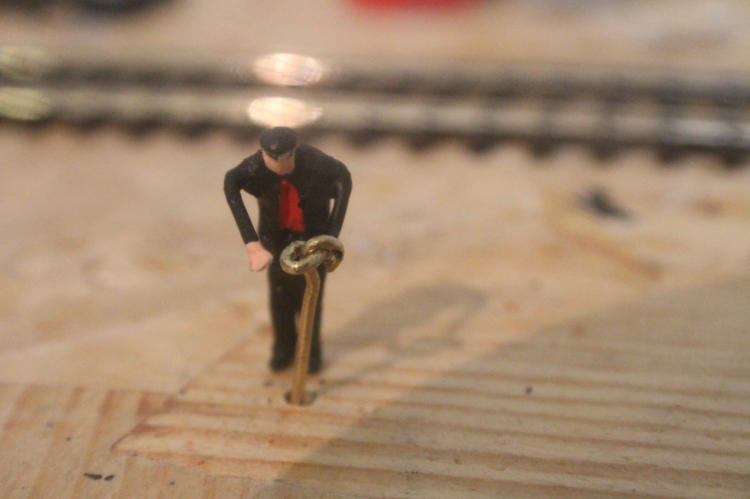

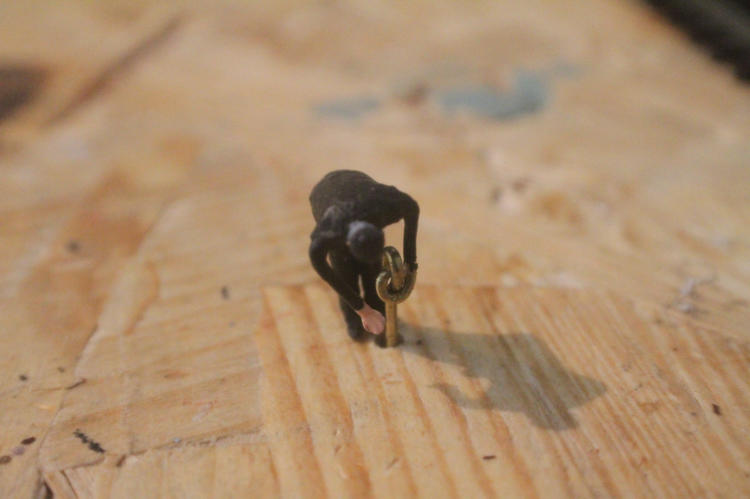

How a photographer takes fictional pictures with a flash.
Wie eine Fotografen Firgur fiktive Bilder mit Blitzlich macht.
Comment une figurine photographe prend des photos fictives avec un flash.
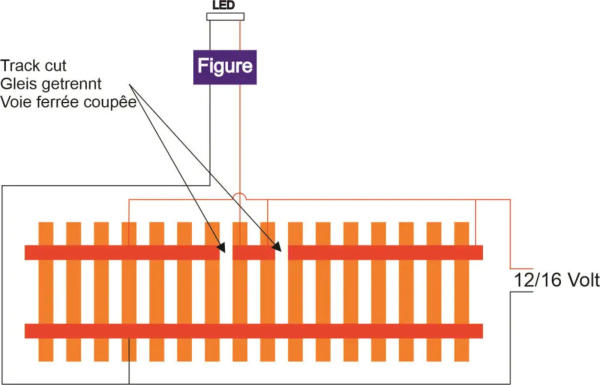
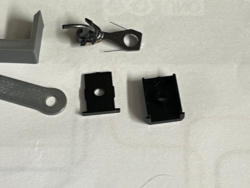
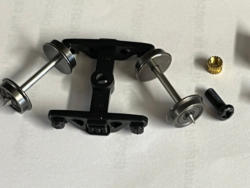
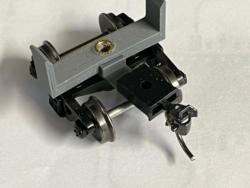
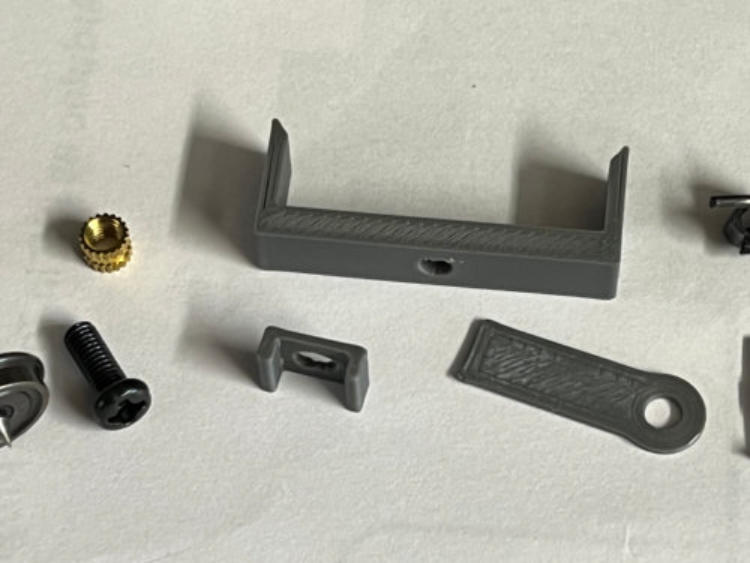
Between a cut, the metal wheels make contact and the camera flashes.
Zwischen einem Schnitt machen die Metallräder Kontakt und der Blitzer blitzt.
Entre une coupure, les roues métalliques entrent en contact et la camera flas

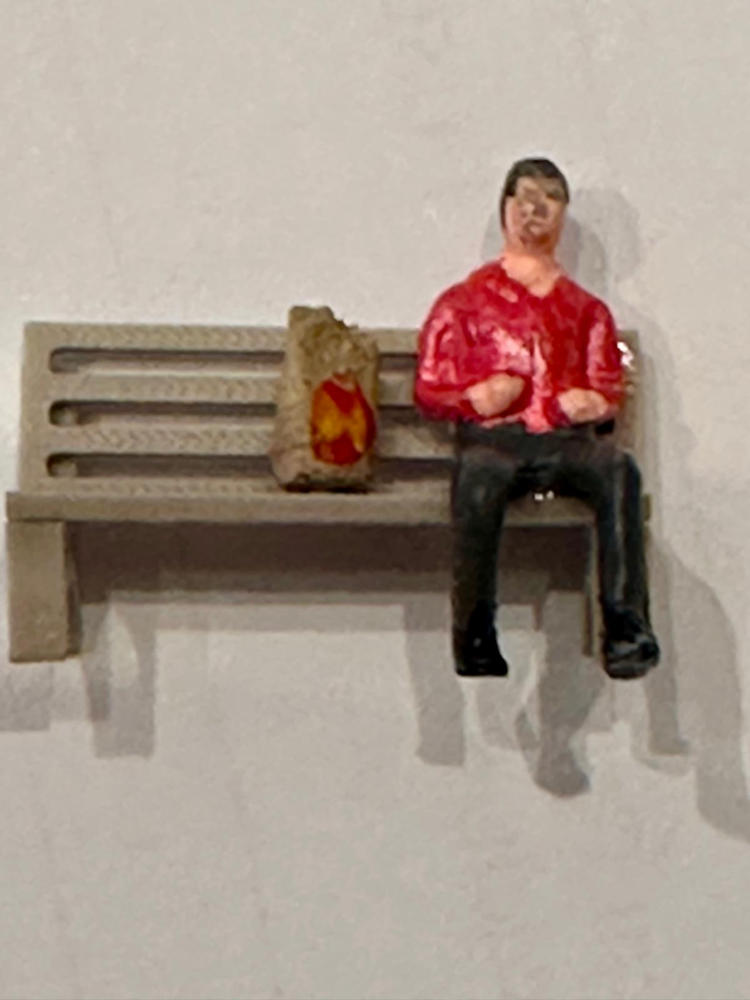
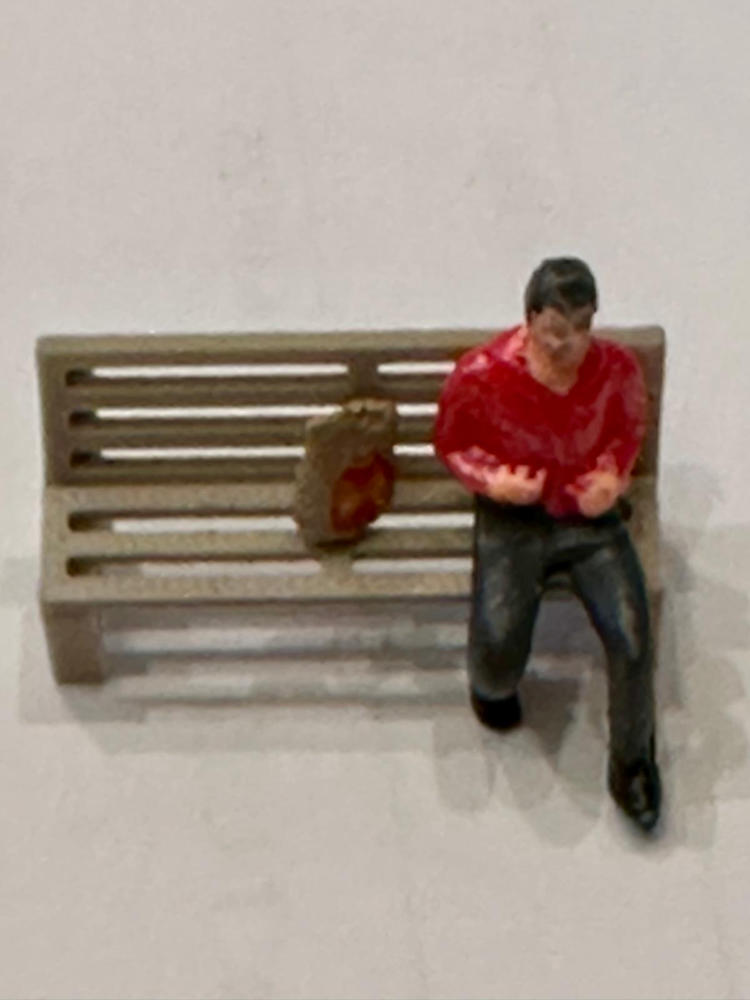
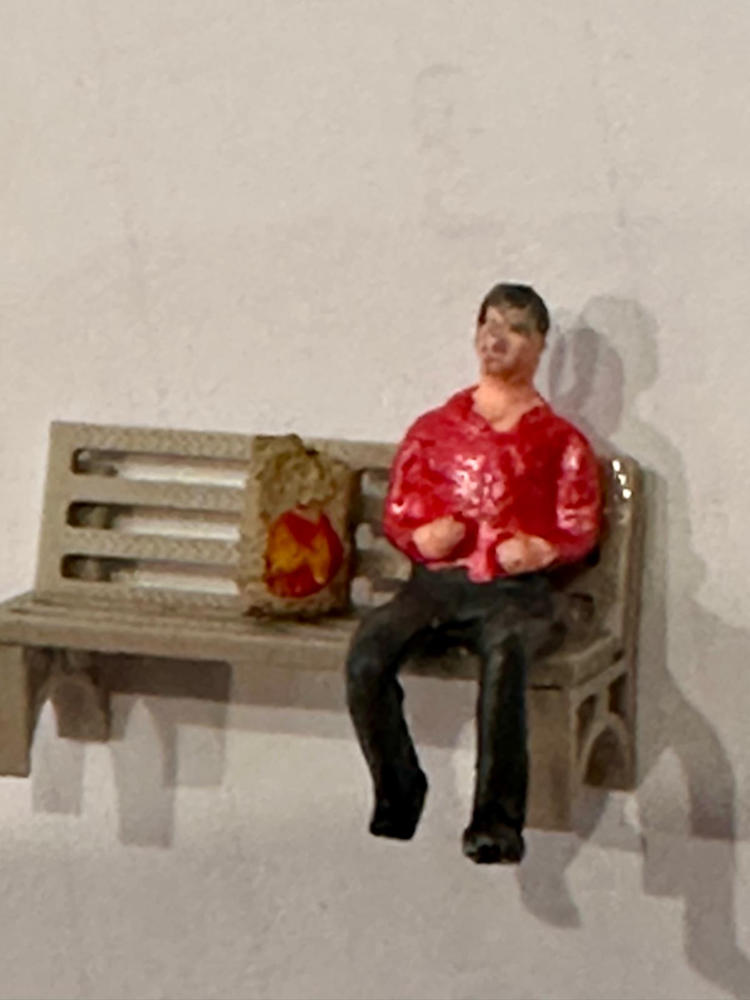
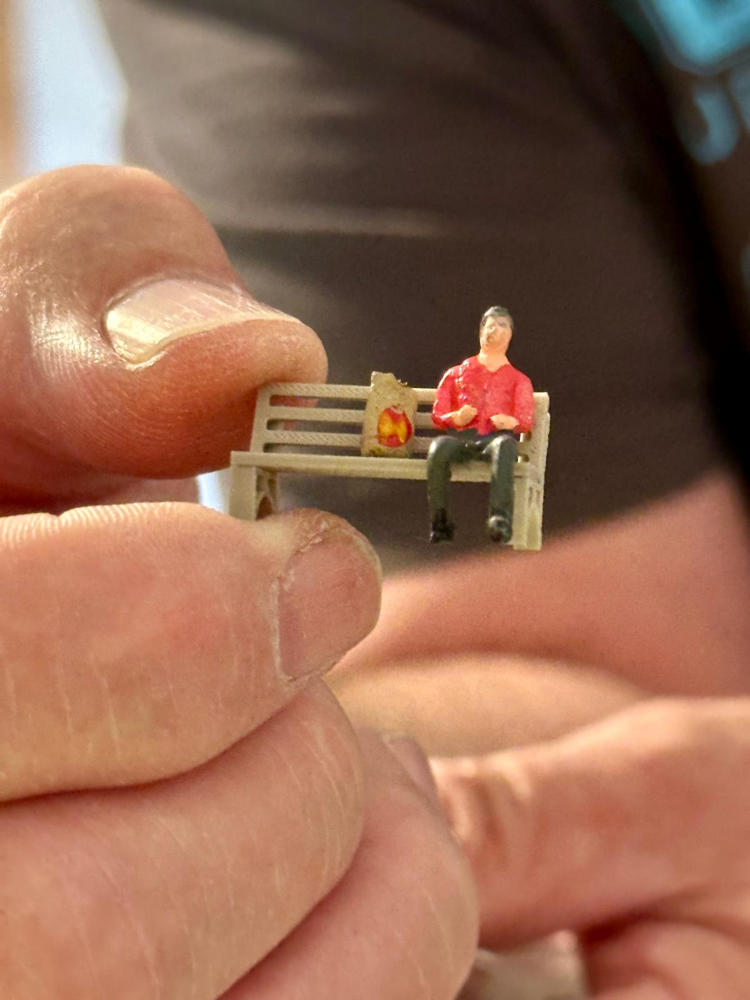
Bench 3D printed, Claude added Man.
Bank 3D gedruckt und Claude hat den Mann hinzu gefügt.
Banc imprimer en 3D et Claude as ajouter le bonhomme.

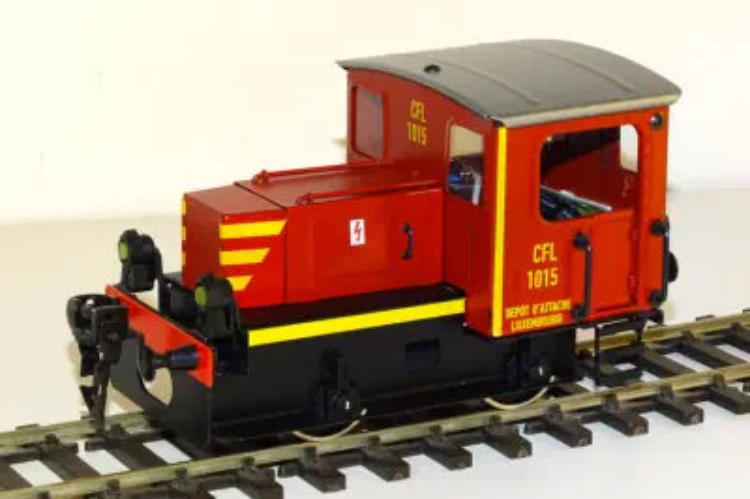

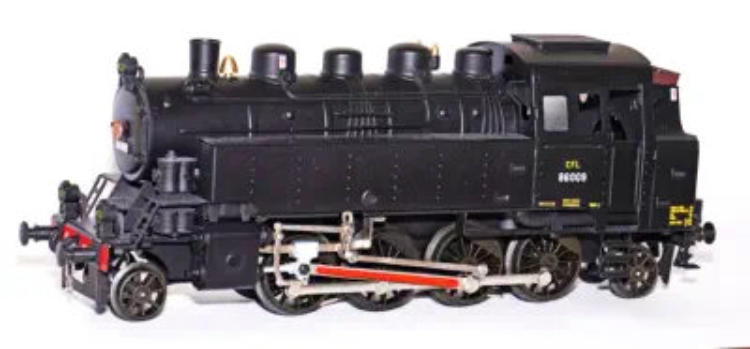
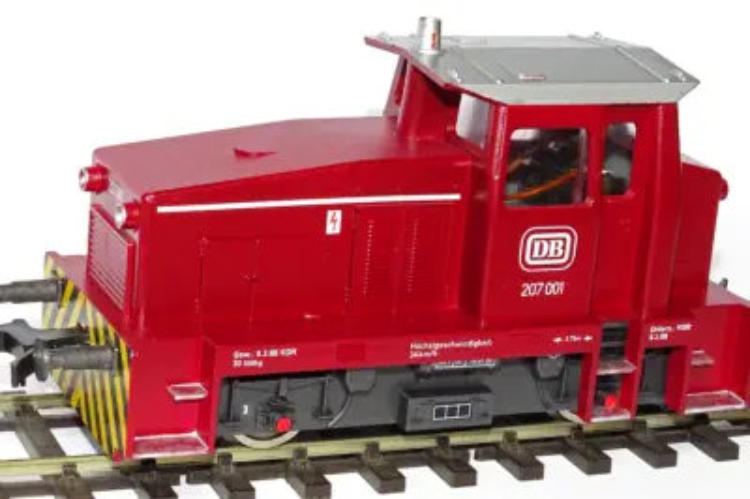
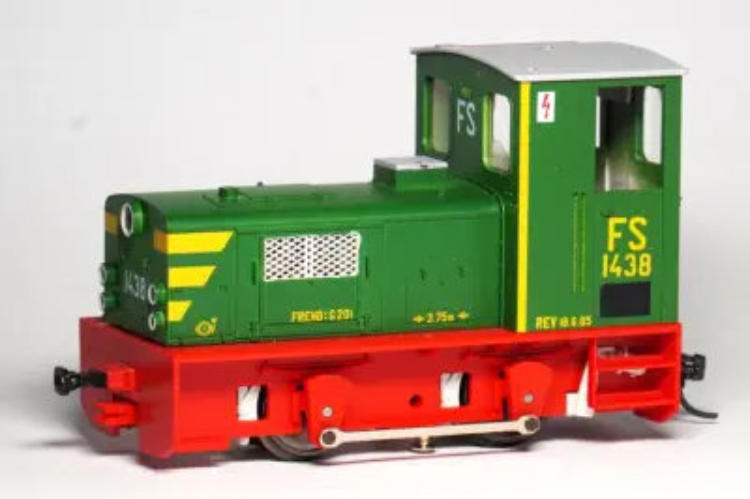
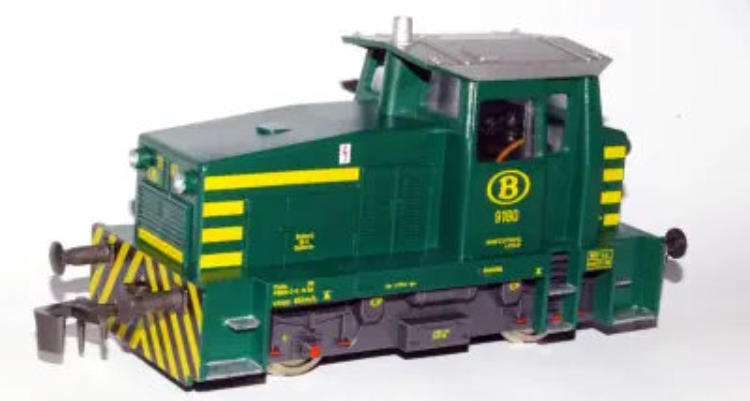
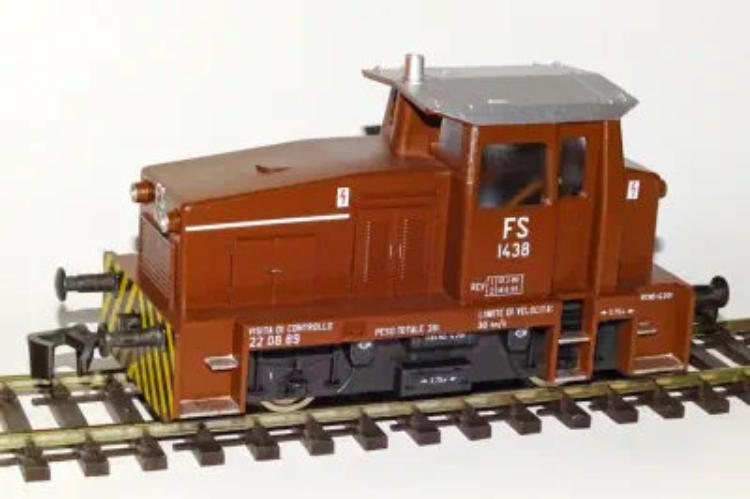
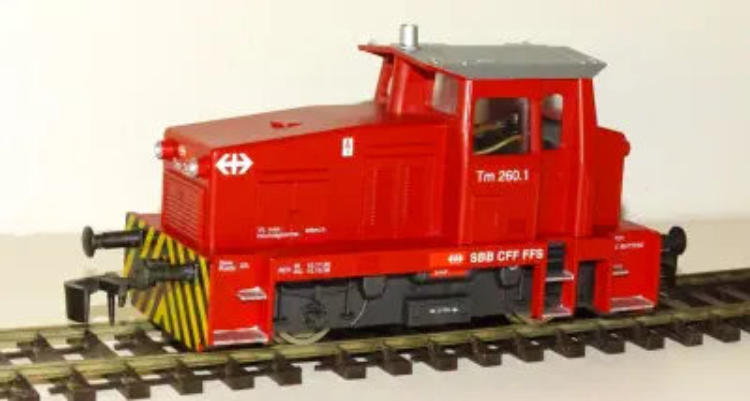
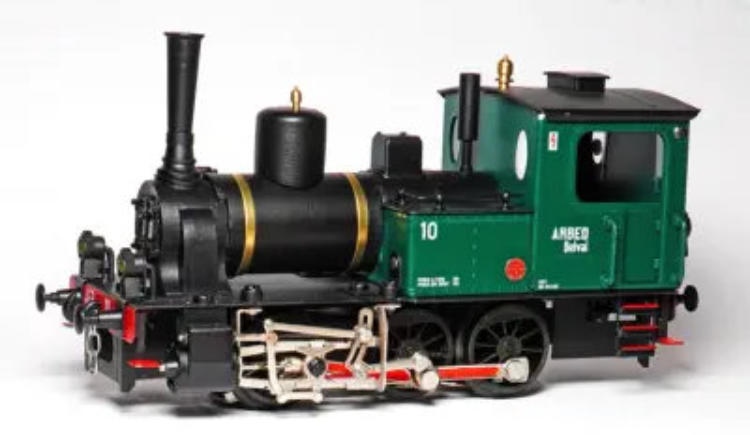


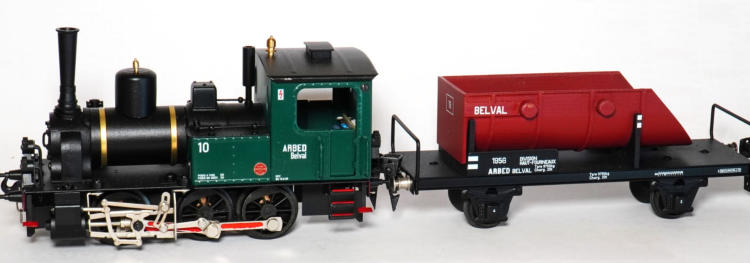

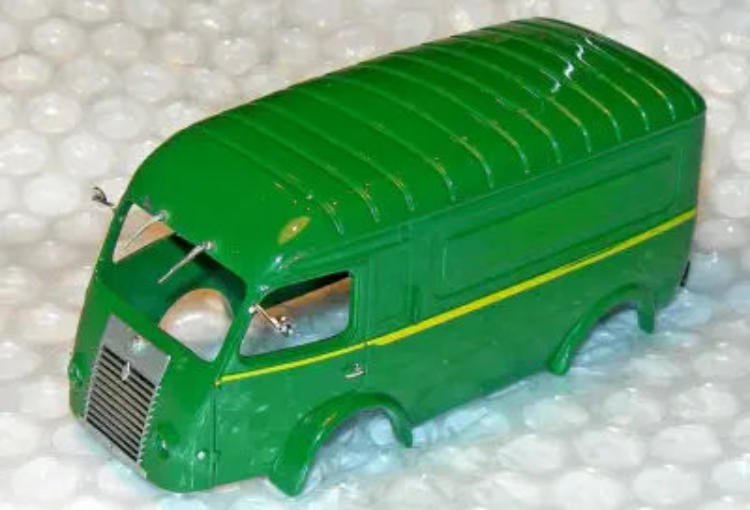
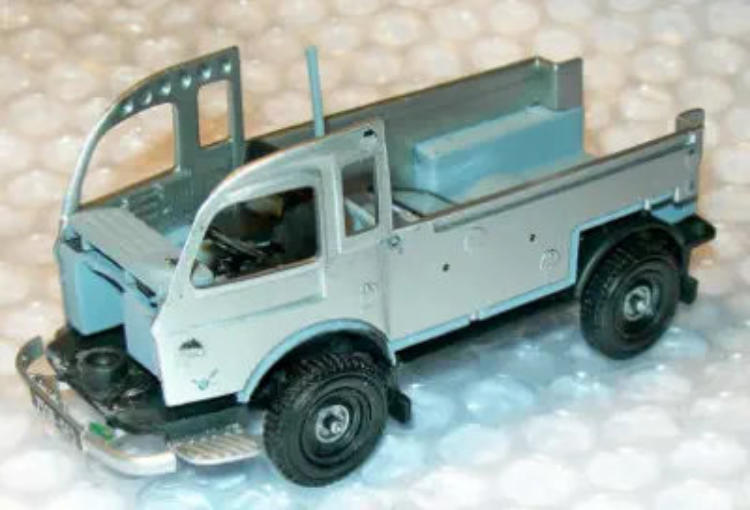
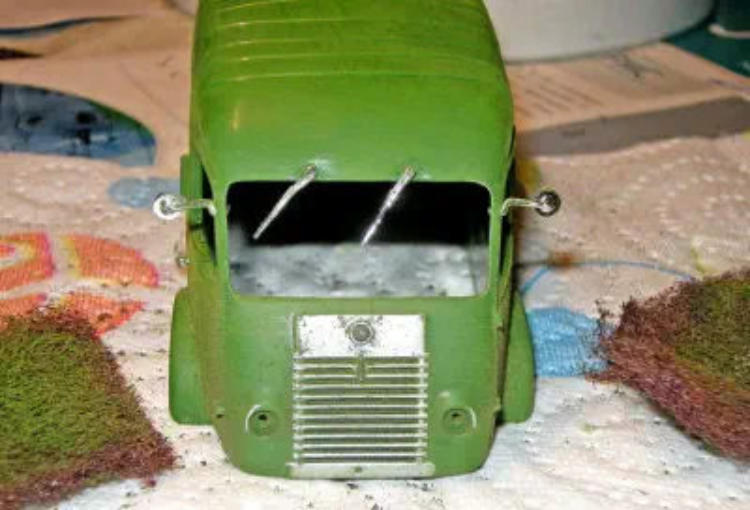

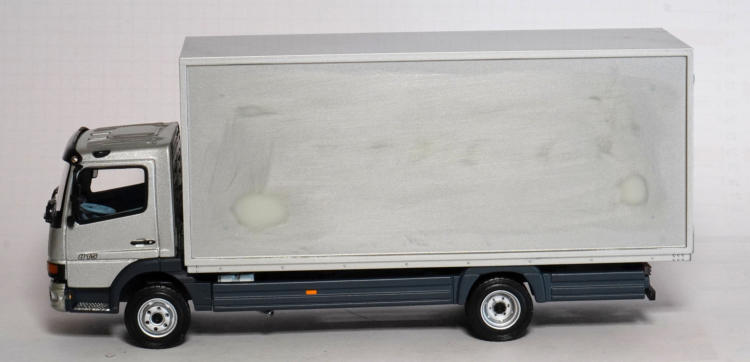

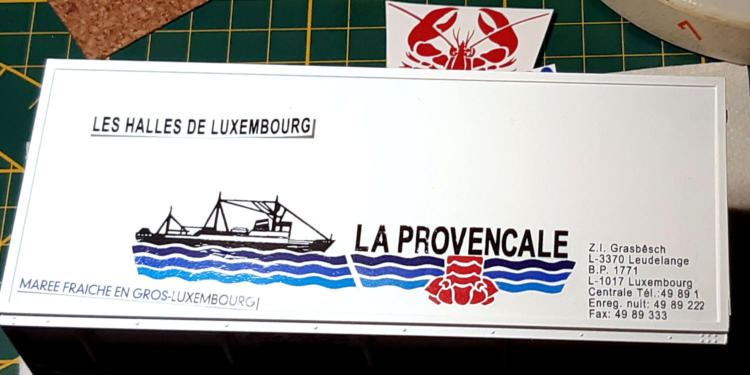
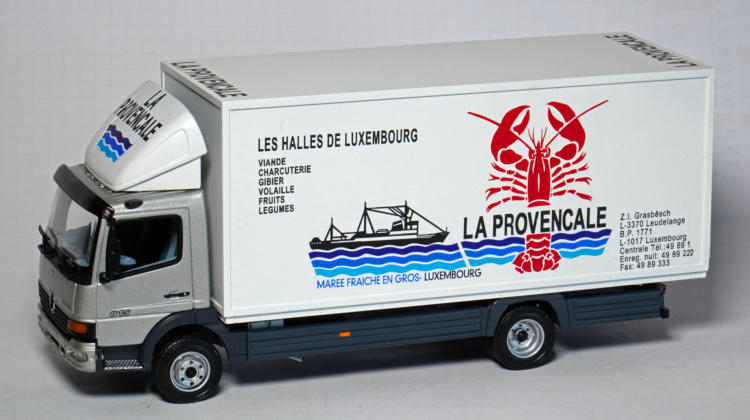
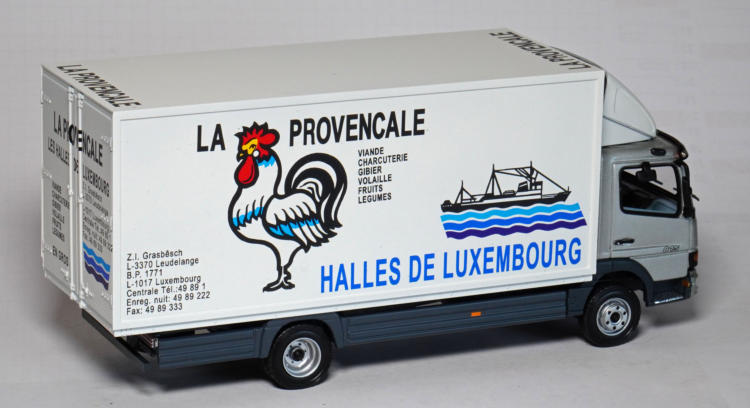



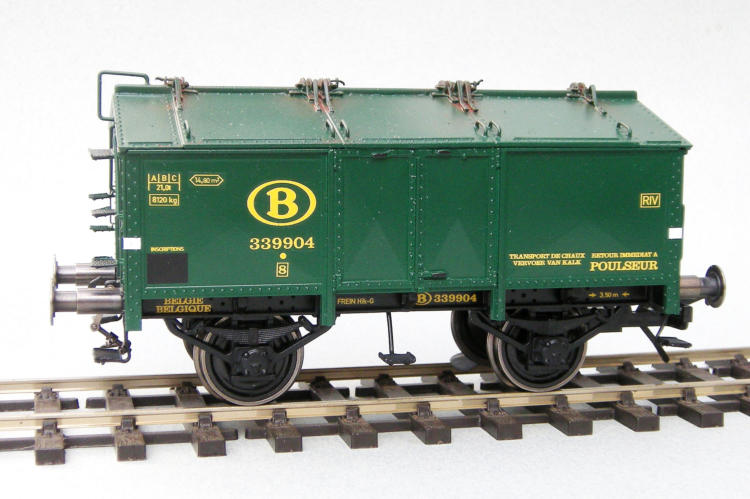
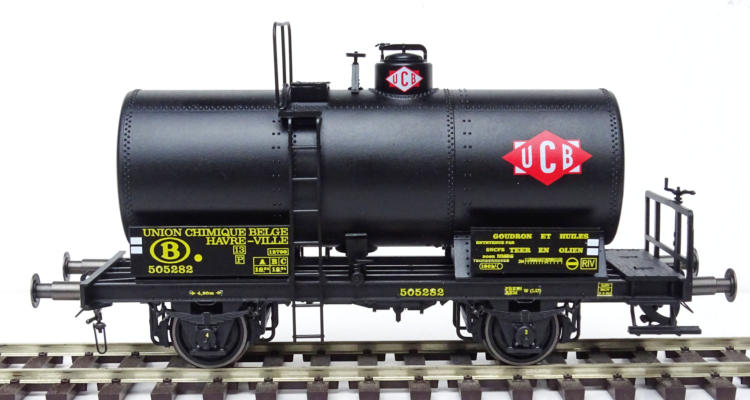
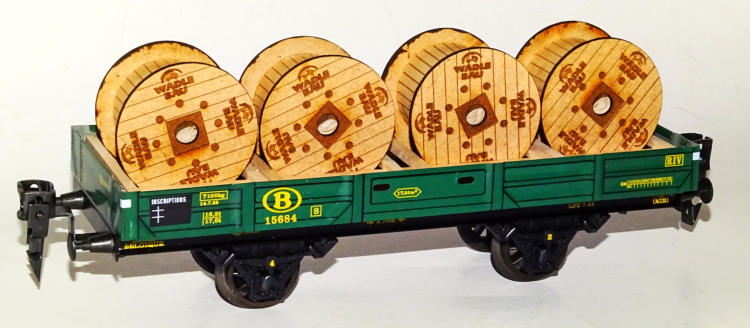

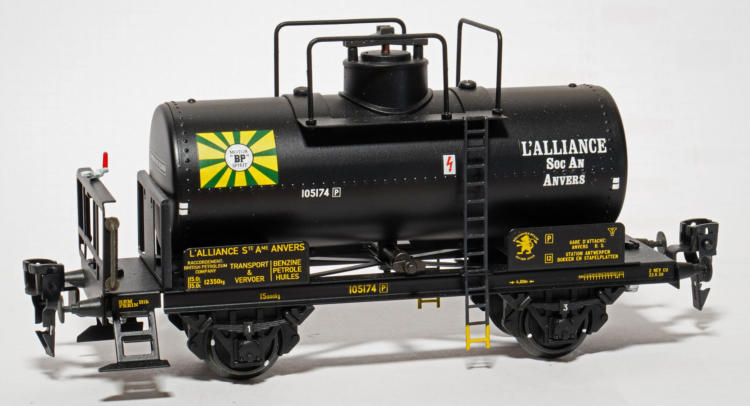






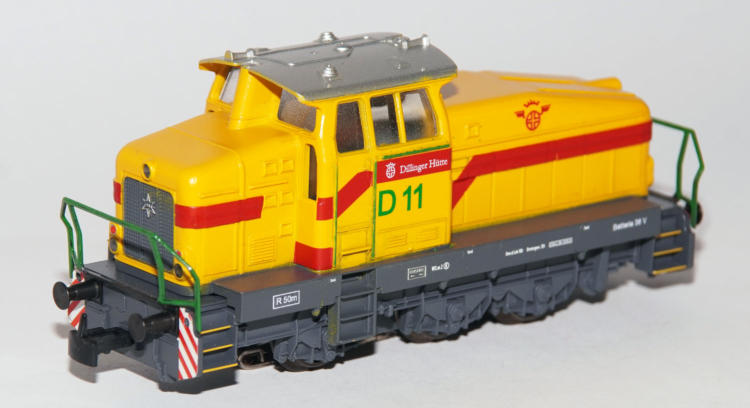
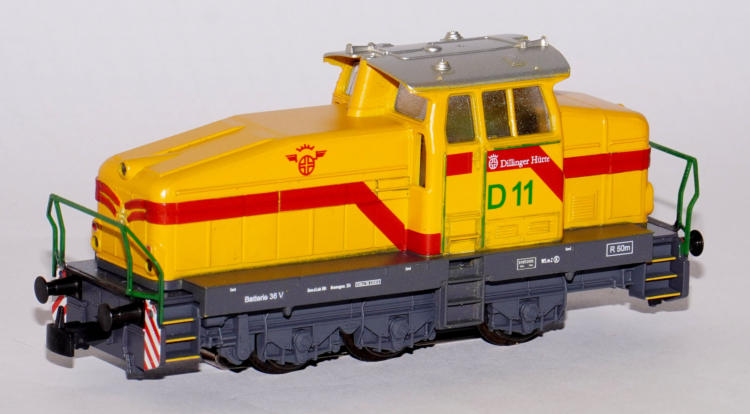


LAFUMA
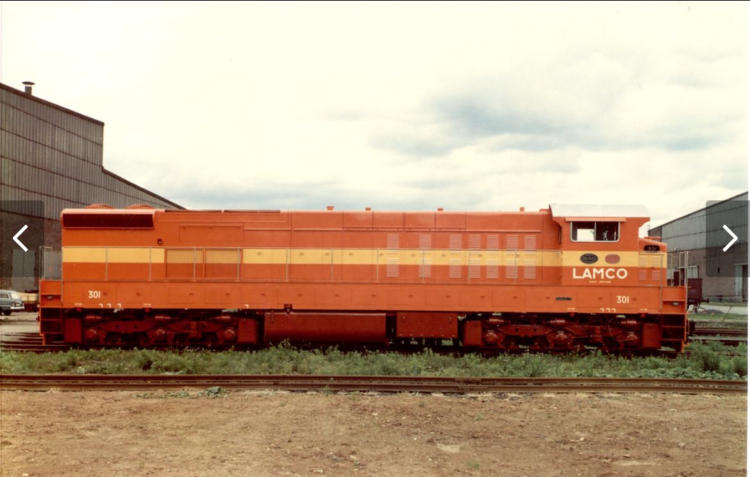
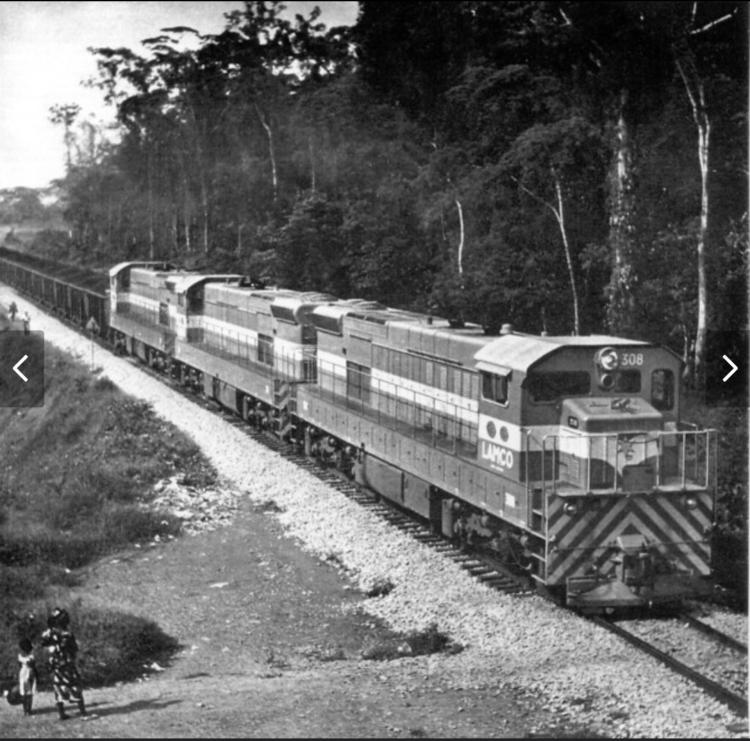
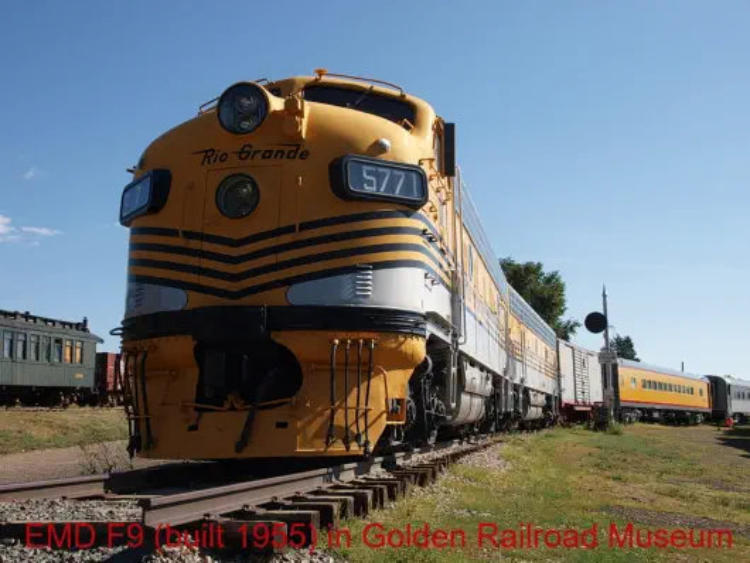
Lamco operated Henschel HG16 locomotives with 1800 HP EMD engines
My Piko DF7C is the loco in my collection that comes closest to resembling the Lamco HG16
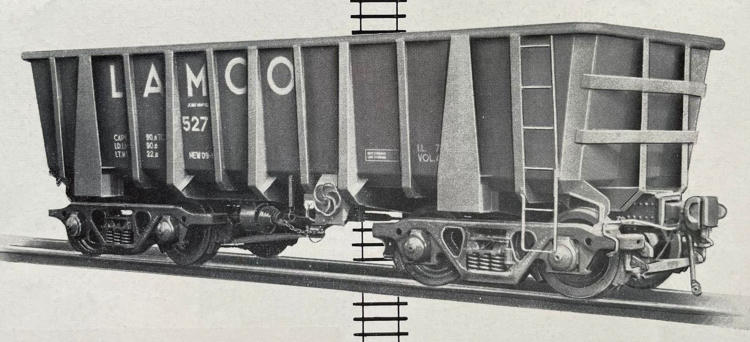
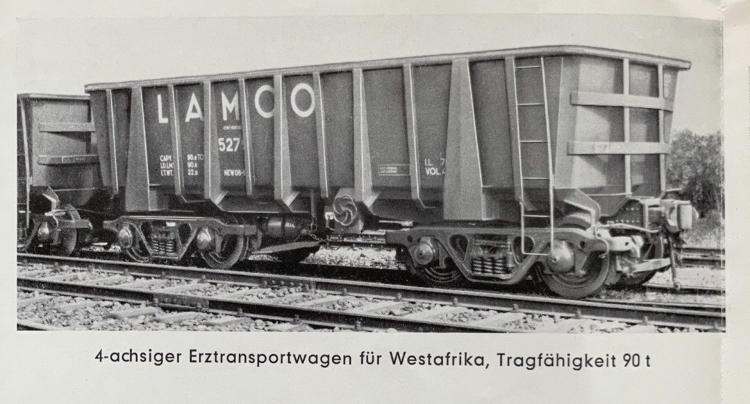
LAMCO
Liberian American Swedish
Mining Company
Liberian corporation that
mined iron ore in the Nimba
range in Liberia operated by
the Grängesberg company














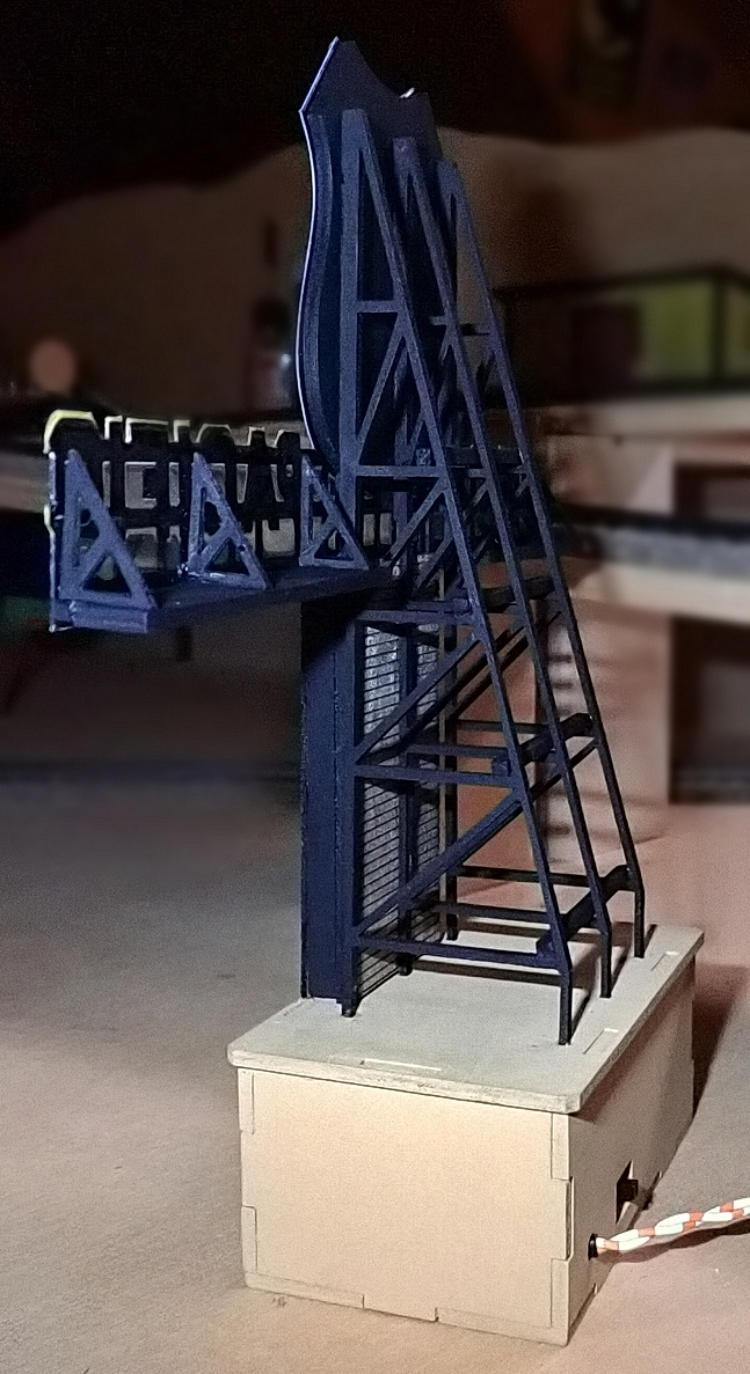
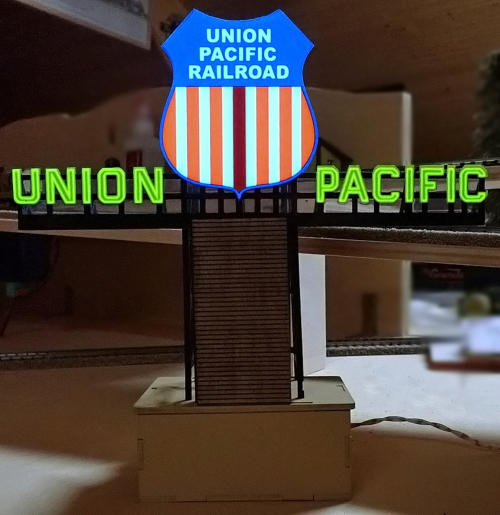
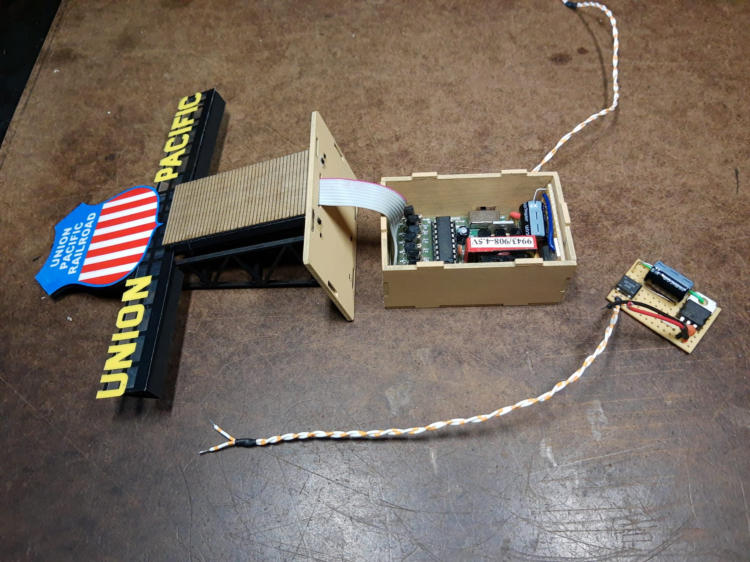
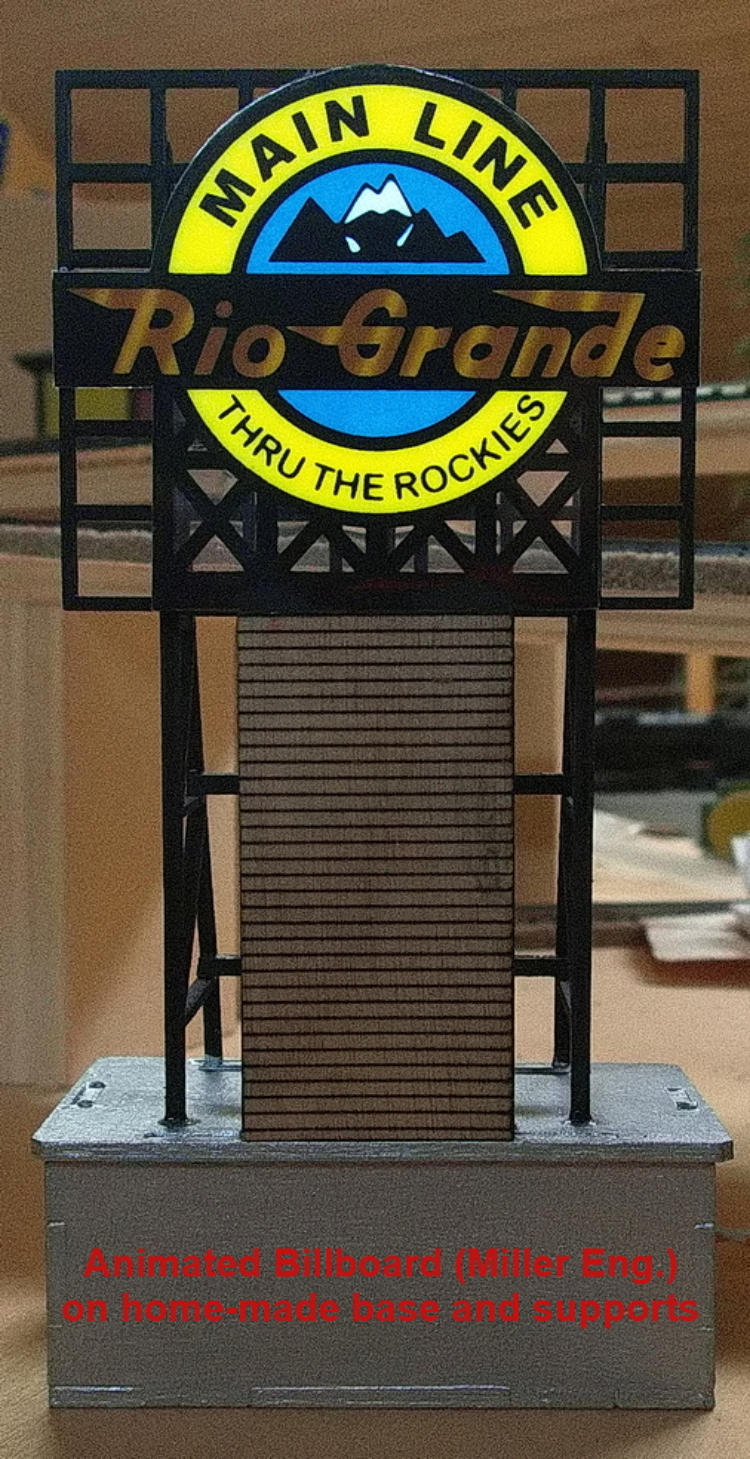





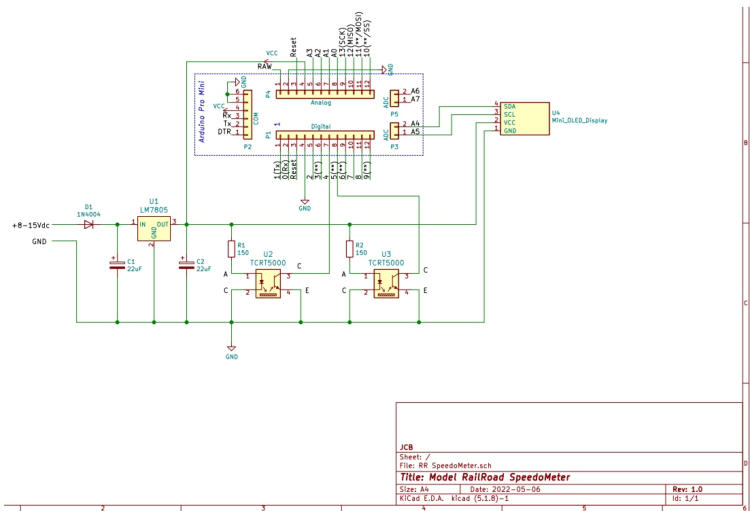
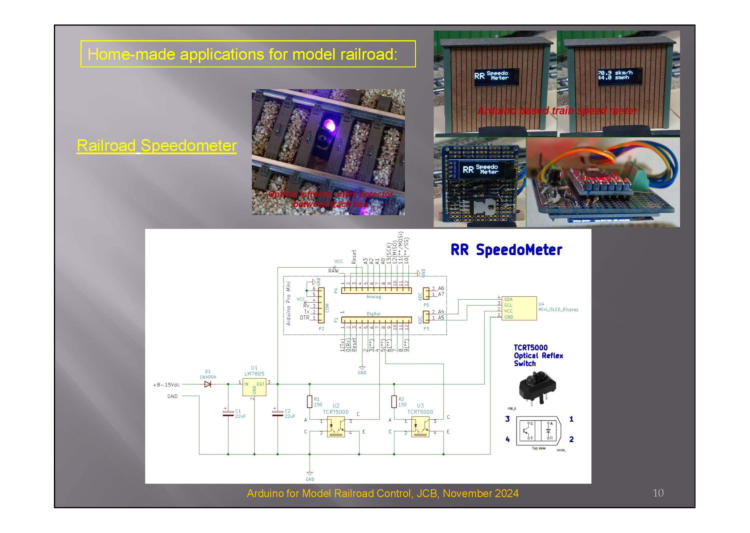
Arduino Speedometer
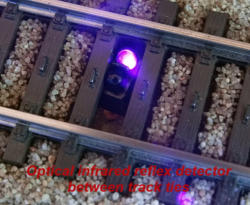
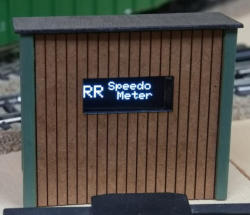
in layout integrated
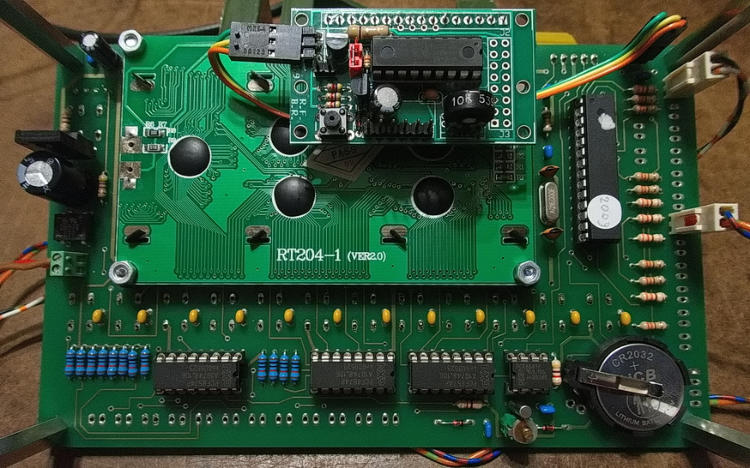
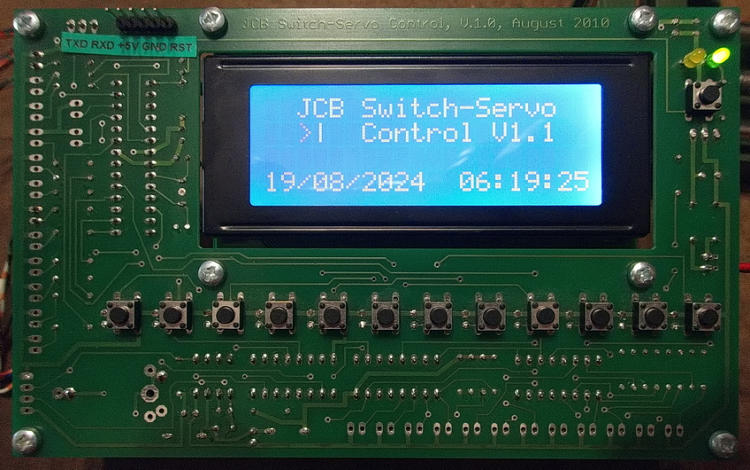
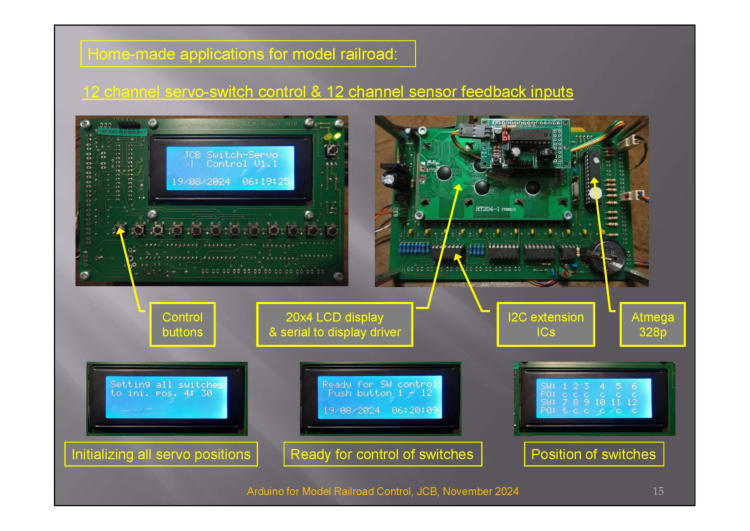
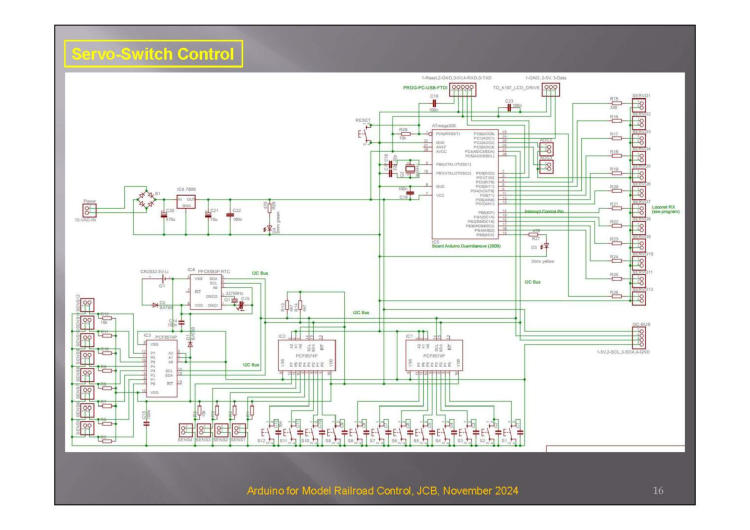
Servo-Switch Control with LCD
display and 12 push-buttons,
reset switch, and serial interface
for programming
Back side of circuit with Atmel 328p
processor, serial driver for LCD display,
I2C bus extender circuits and real time clock
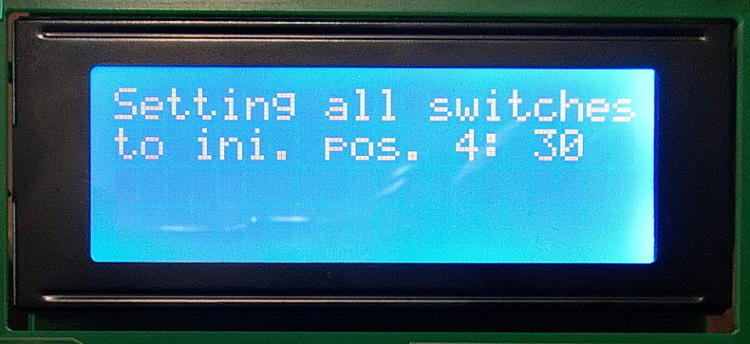
After booting: Setting all servos
to initial positions
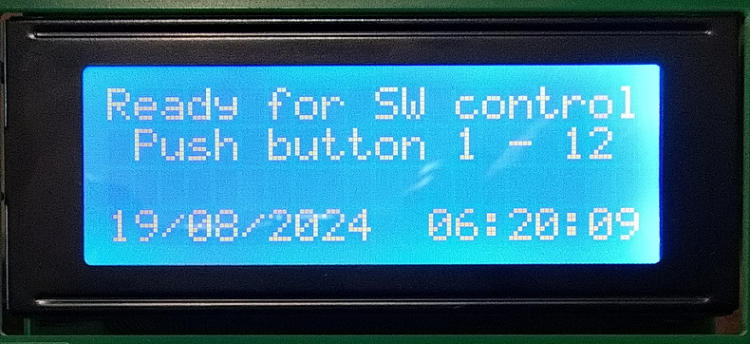
Ready for manual control of the 12
servos (Loconet control will be added)
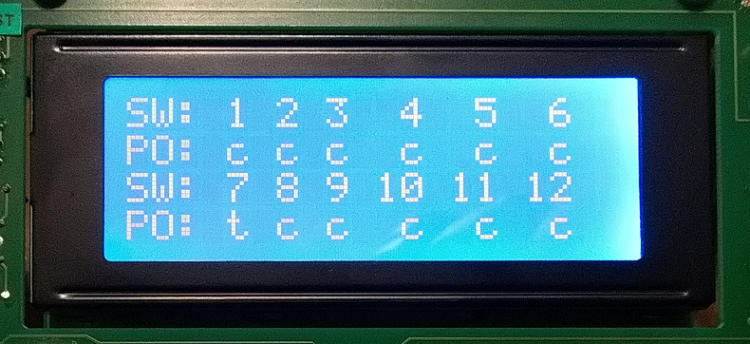
Display of positions of all 12 switches:
c - closed, t – thrown
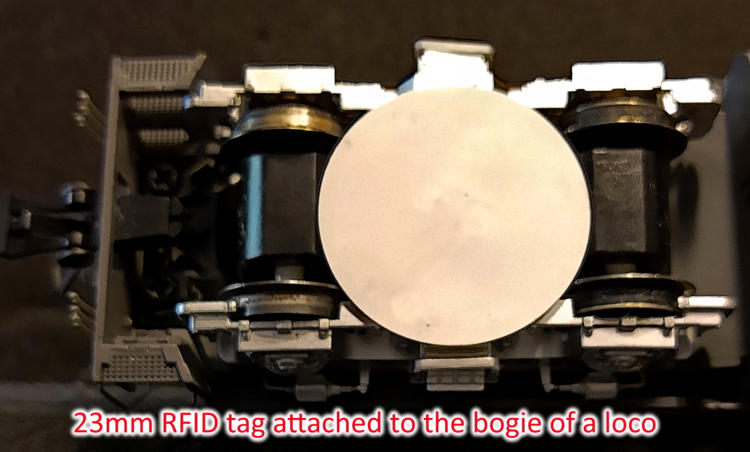

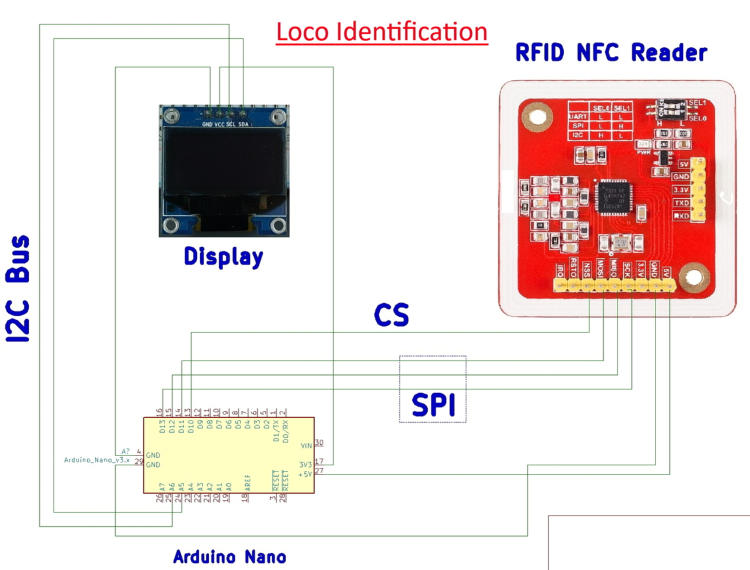
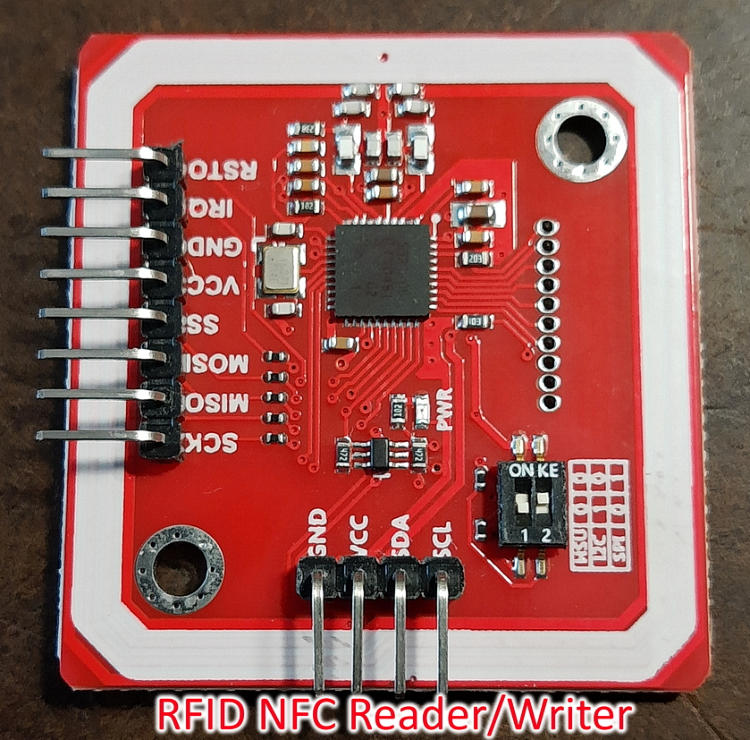
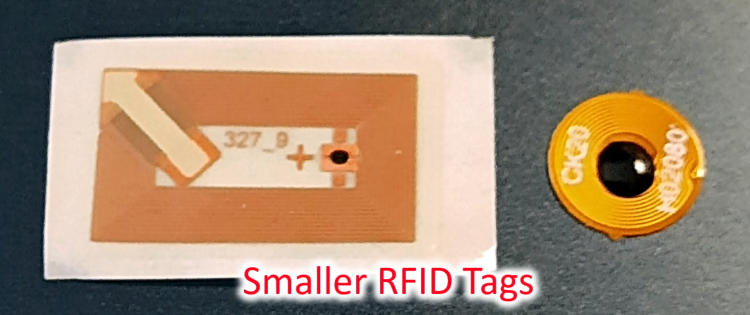
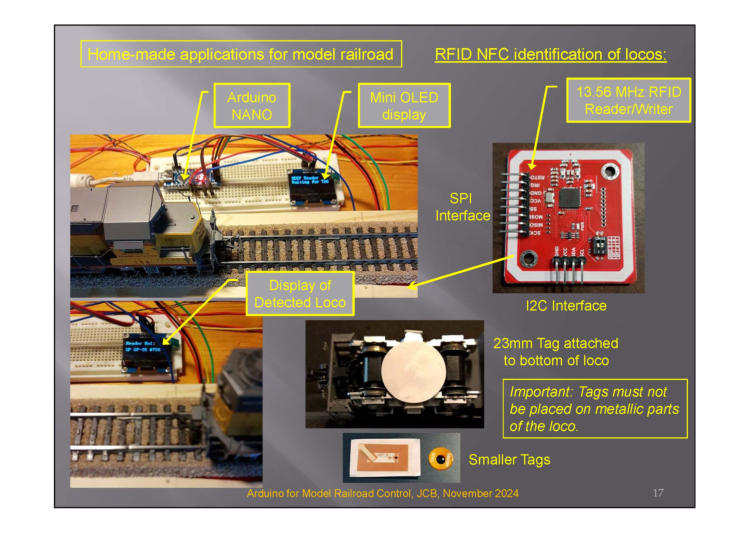
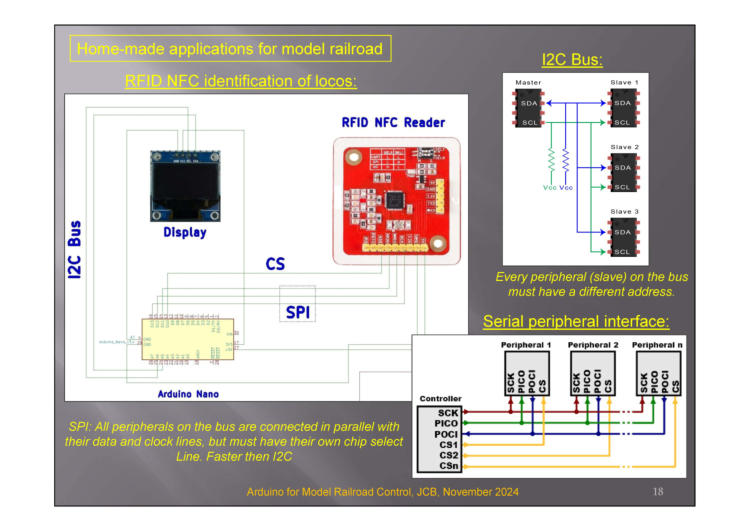
LOCO IDENTIFICATION

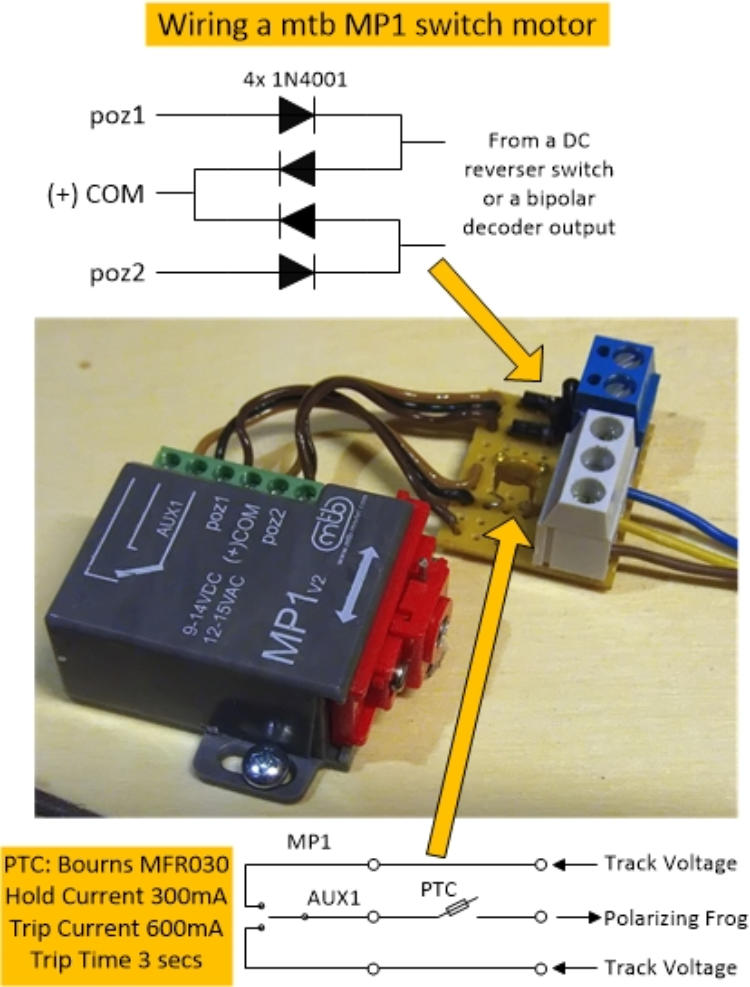
New turnout motor and how to wire it
Here you can buy it:
https://www.ebay.de/itm/265050331963
28
05
26
28
05
26








WEBMASTER
Patrick BOPP 11, rue du Cimetiere L-8278 HOLZEM GSM.: +352 621 168 298 E-Mail: boppp@pt.lu



Jean-Claude BAUMERT
P. Lafuma
Claude SCHMIT
Armand WADLE
Members
Any question to one of our members, please contact the webmaster.
Bei Fragen an eines unserer Mitglieder, wenden Sie sich bitte an den Webmaster.
Toute question à l'un de nos membres, merci de contacter le webmaster.
Roby WEIS
Denis WILLEMIN
Etienne DE FEYTER


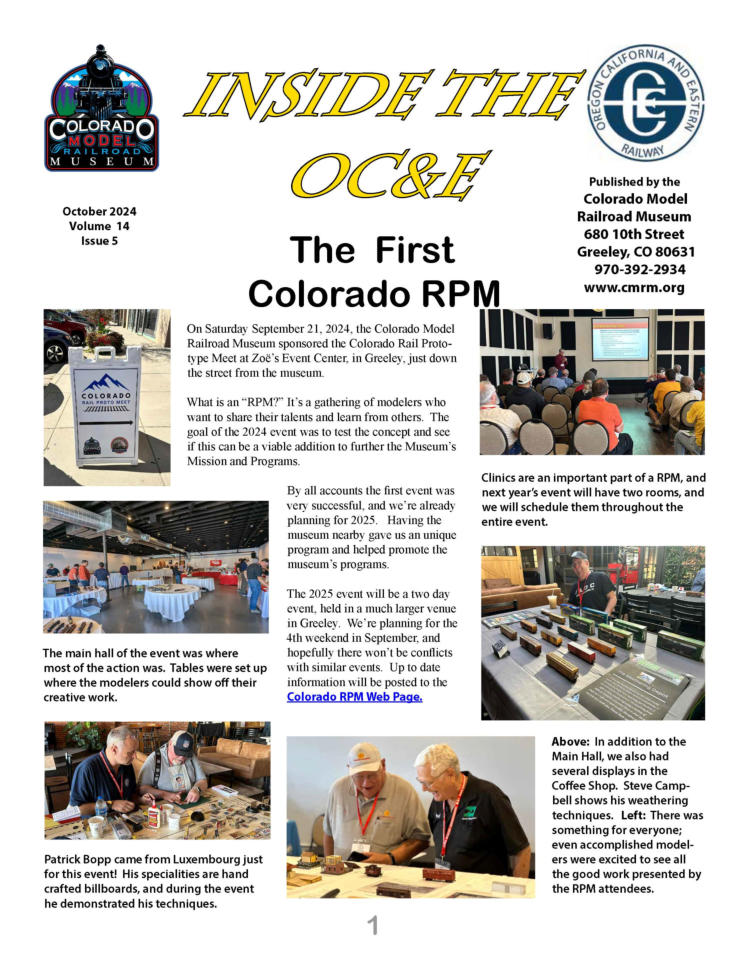
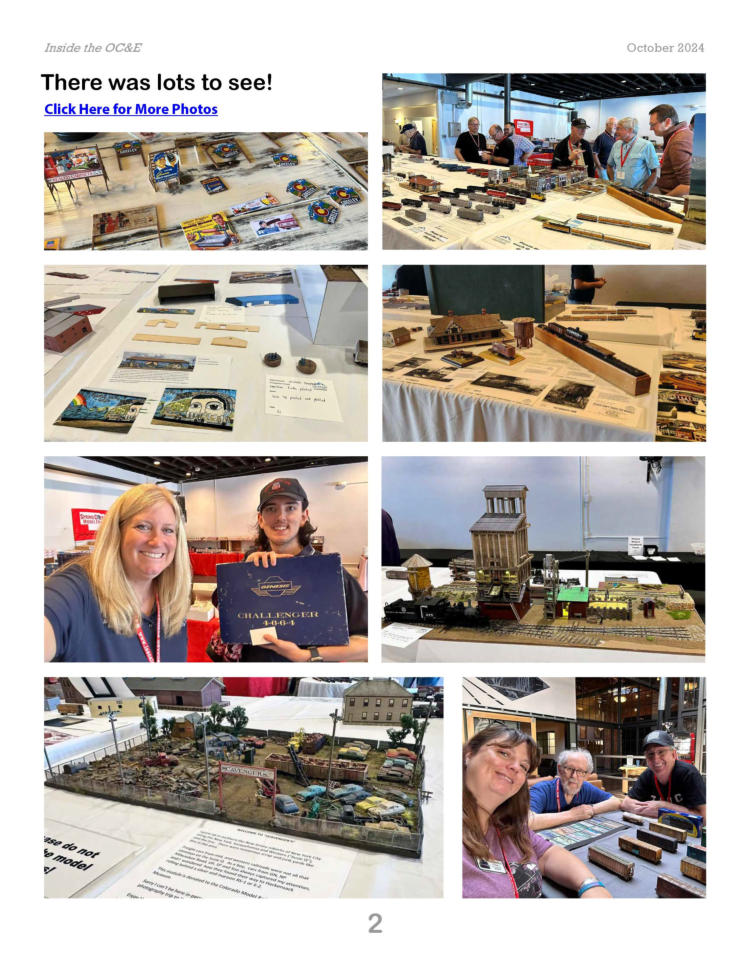
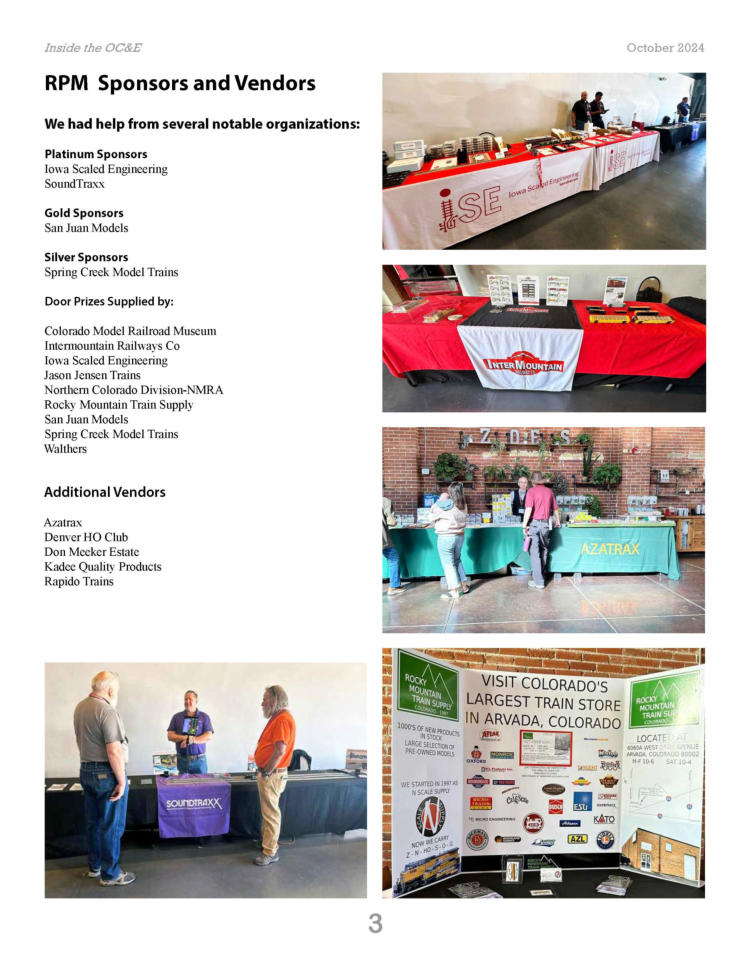
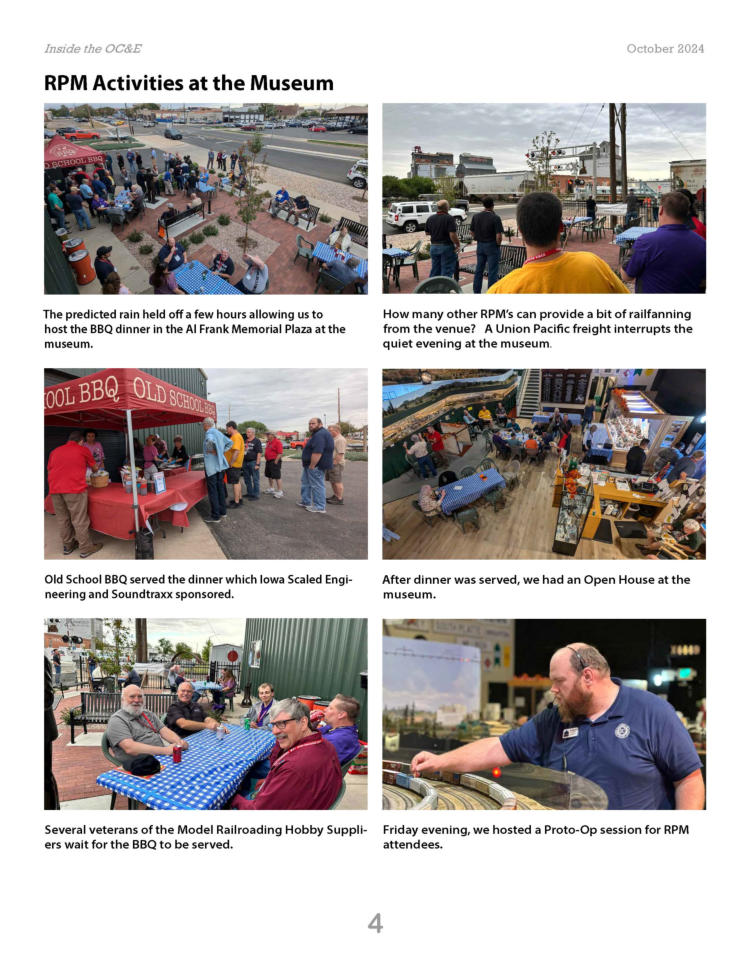
September 21st 2024 RPM (Railway Proto Modeler) in Greeley CO
organized by the CMRM (Colorado Model Railroad Museum)

DCC Manufacturer
Sound Decoder (USA)
Decoder and Command Station (USA)
Decoder (USA)
Decoder and other (USA)
Decoder (AT)
Decoder (DE)
Decoder (DE)
Model Railroad Manufacturer
ALL about Modelrailroad (USA)
Locos and cars (USA)
Locos, Cars and Trucks (USA)
Truck and Autos (DE)
Coupler and Car (USA)
Locos, Cars etc. (USA)
Decoder (DE/USA)
Layout (DE)
( Delivery World Wide )
Truck and Car (CH)
Truck and Car (AT)
Cars (USA)
Locos and Cars (USA)
Locos, Cars and Trucks (CA)
Truck and Car (CA)
Museums and Historical Home Pages
Colorado Model Railroad Museum (USA)
Union Pacific Historical Society (USA)
Patrick BOPP Privat HP (LU)
Privat Home Pages




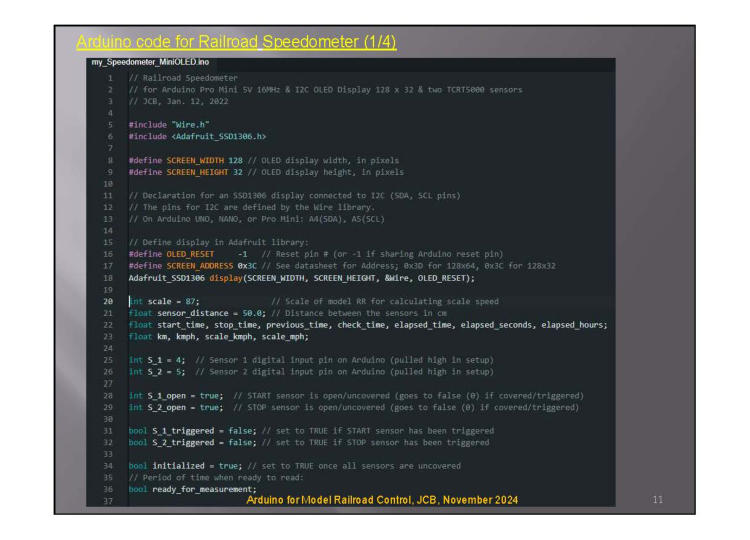
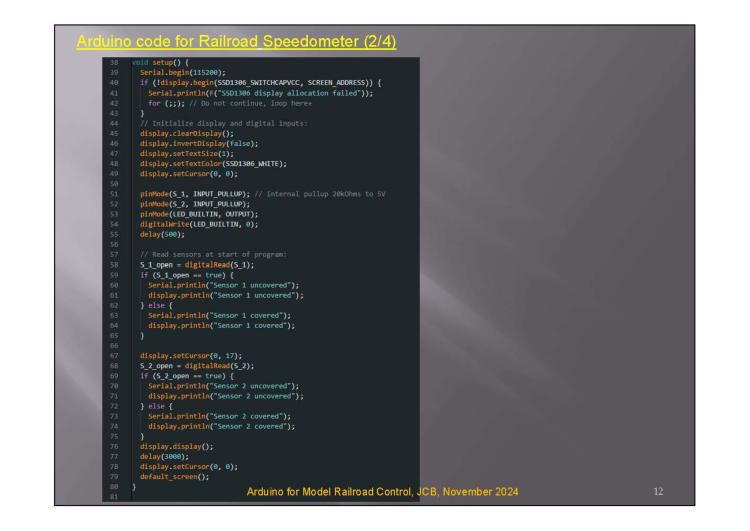
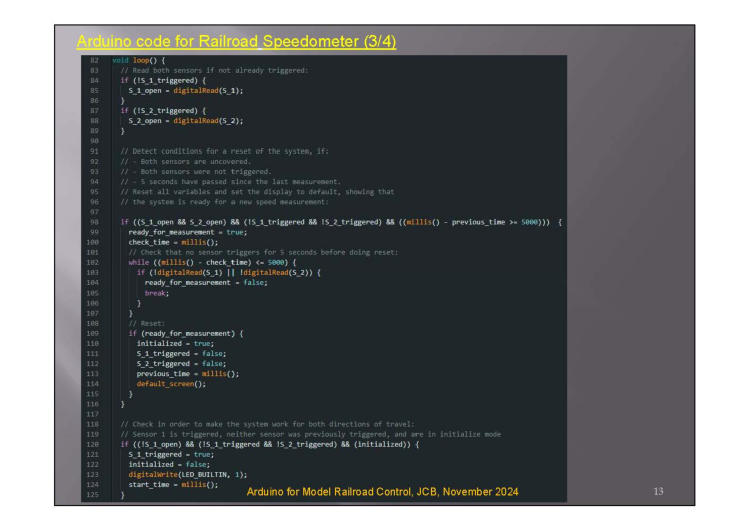
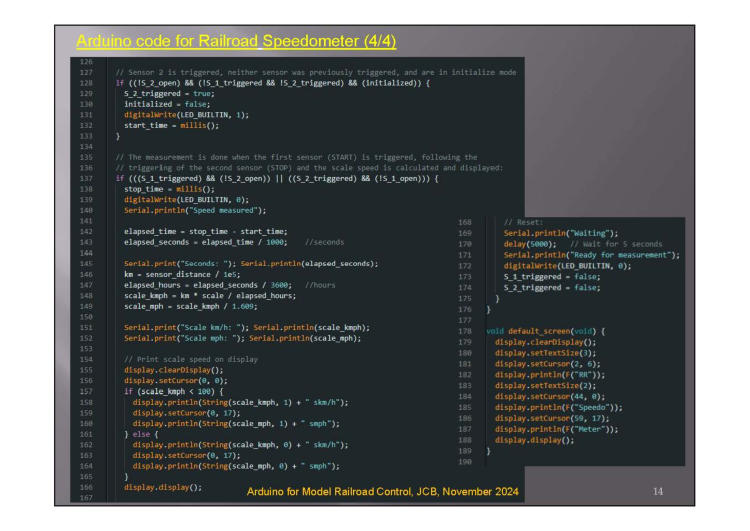


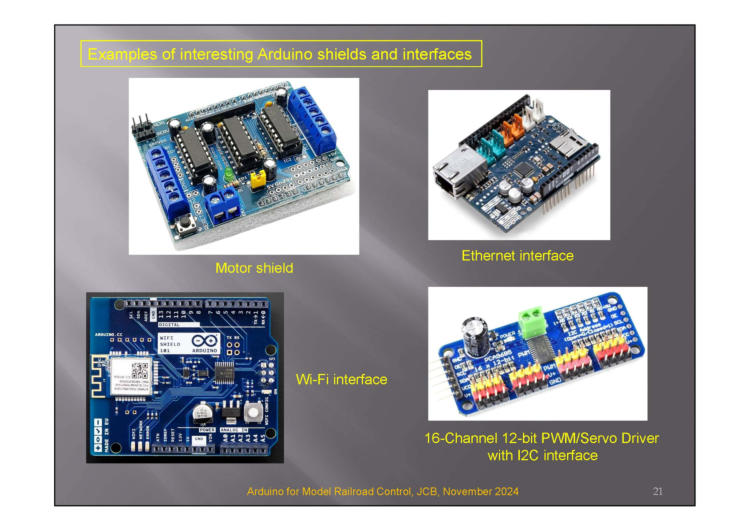
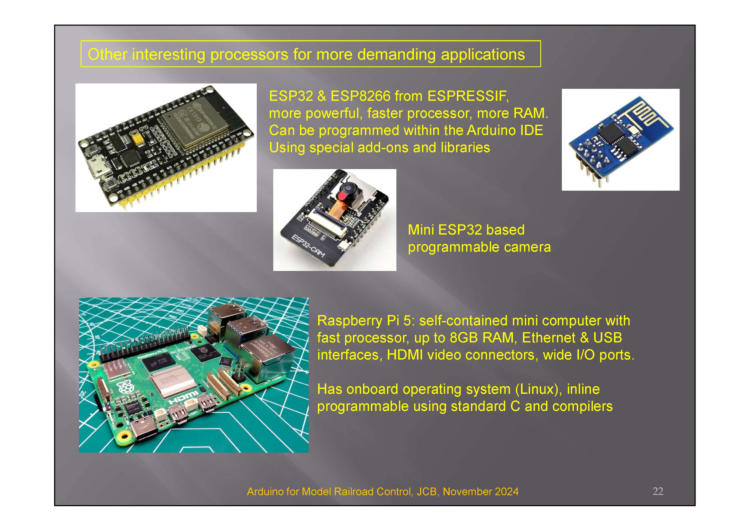


Thanks to J.-C. Baumert









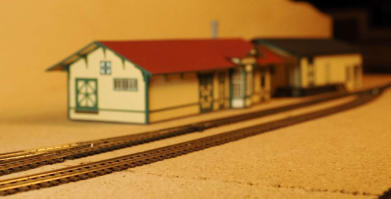
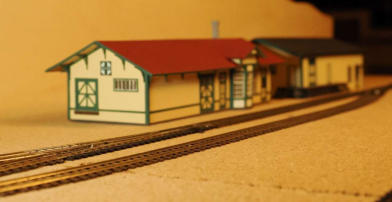
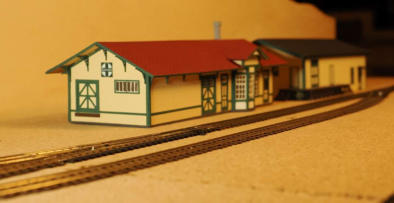
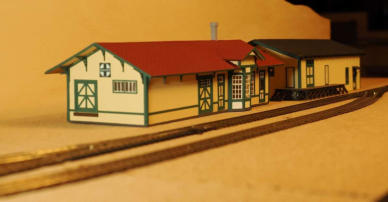
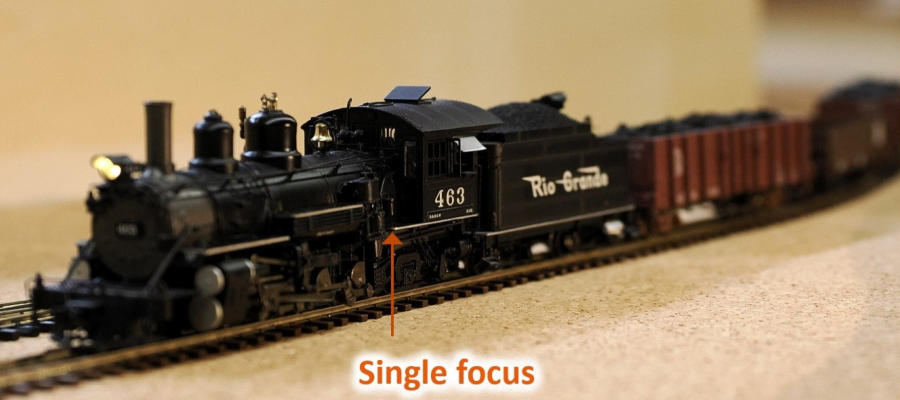
Focus
Stacking: Series of pi
ctures
to
be stacked
(1)
Focus
position
1
2
3
4








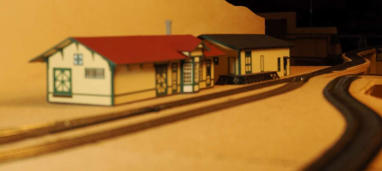
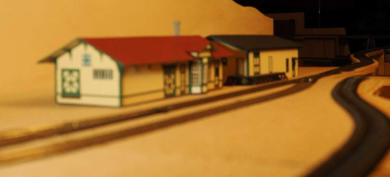
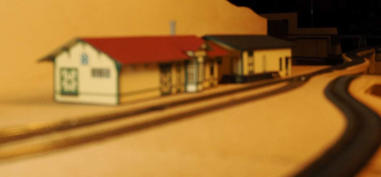
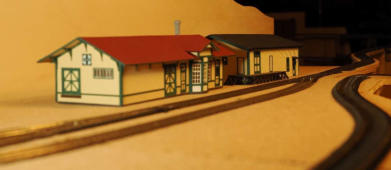
Focus
Stacking: Series of pi
ctures
to
be stacked
(2) 5
6
7
8








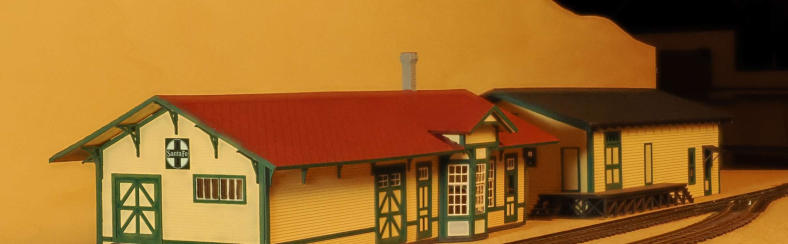

Focus
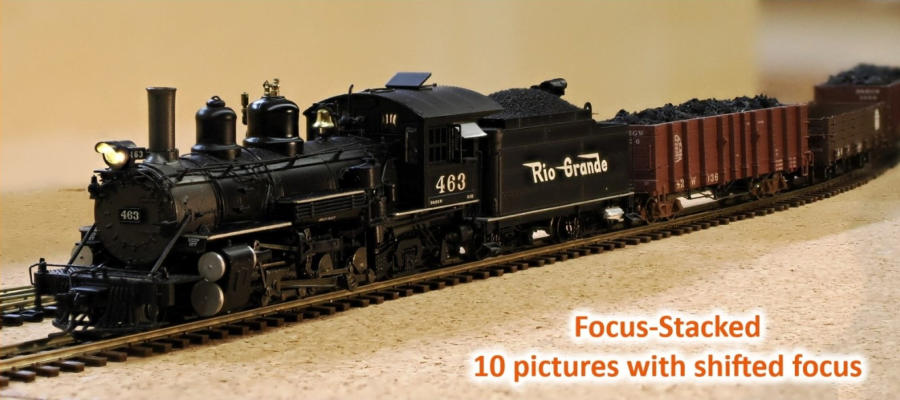
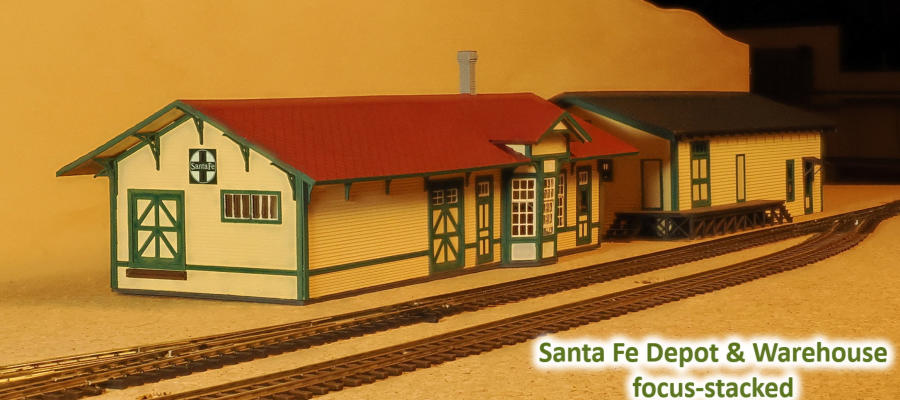
Stacking: Stacked
picture
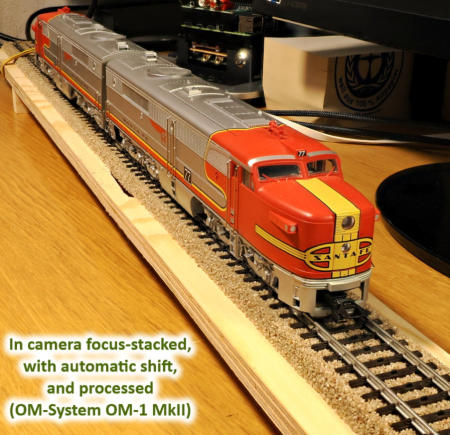
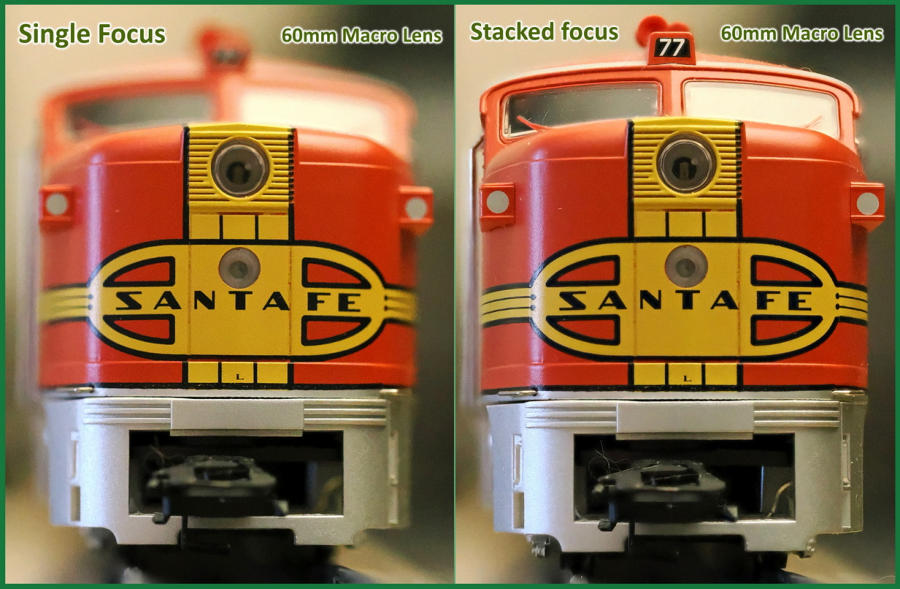
All pictures were
taken automatically and in-camera processed (OM-Syst
em
OM-1 Mark II in focus stacking mode).
Similar results were obtained using
ACDsee
Ultimate Pro.







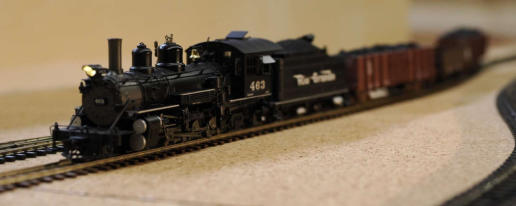
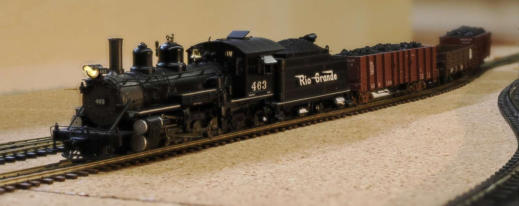
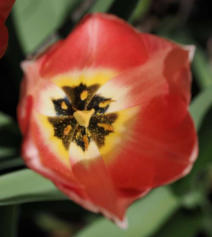
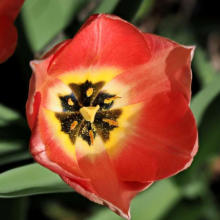
More
examples







•
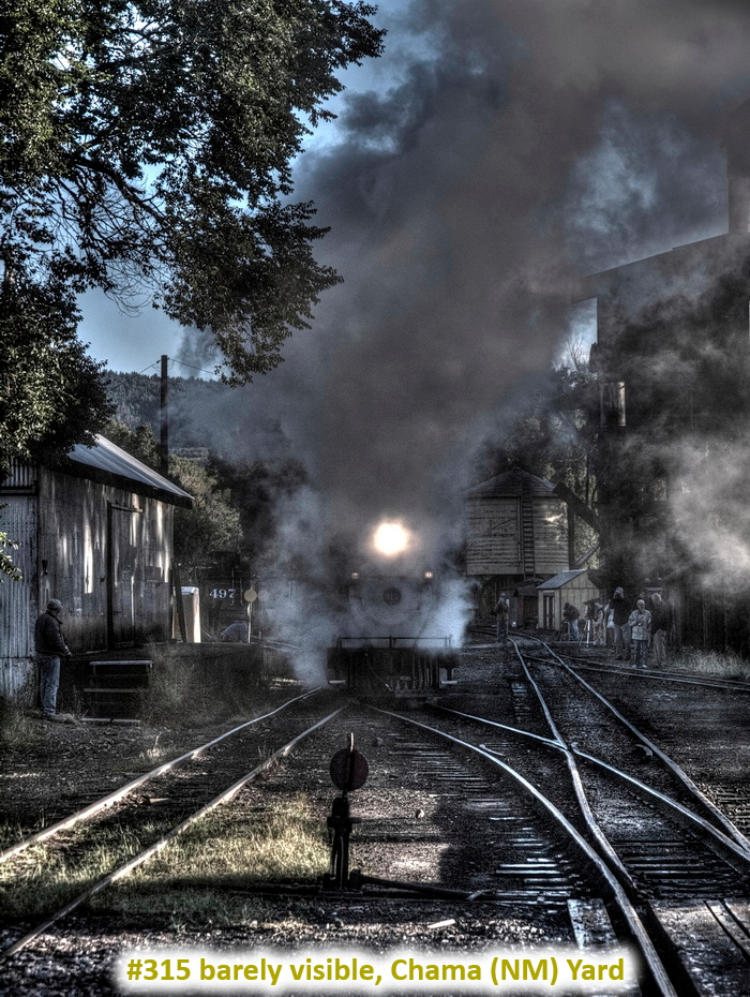
High-dynamic-range imaging (HDR)
is a technique used in digital
image processing to combine a series of image
s with different
exposures
(normal, underexposed,
and overexposed)to produce one
image with an optimal overall
exposure range.
•
A HDR tool creates a new image with a greater dynamic
range of
l
umino
sity
.
•
Ideally, the images you use with the HDR
tool
will include a well-
balanced range of highlights
and shadows
•
HDR is
useful when you have a scene with very large differences in
luminosity, i.e. between dark shadows an
d bright areas.
•
For model railroad photography this could be useful at exhibit
ions,
where the lighting is not ideally
balanced.
High-d
yna
mic-range
(HDR) images









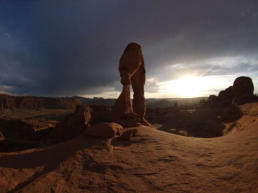
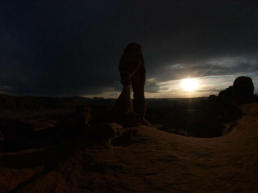
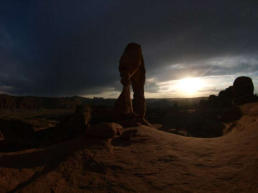
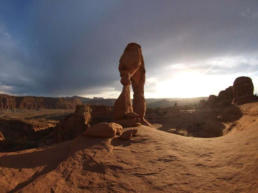
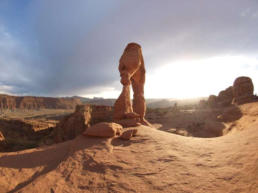
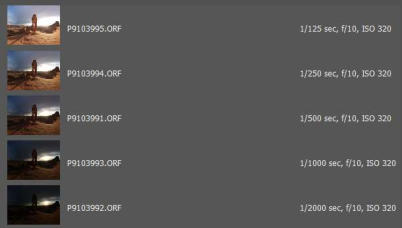
HDR example: ‘Delicate Arch at Sunset’, Arches
NP, U
tah
<< Underexpo
sed
< Underexpo
se
d
Normal
exposure
> Ove
re
xposed
>> Ov
erexpo
sed
Norm
al
>>
>
<
<<
Change
Sh
utte
r
ti
me
Keep
sam
e
aperture









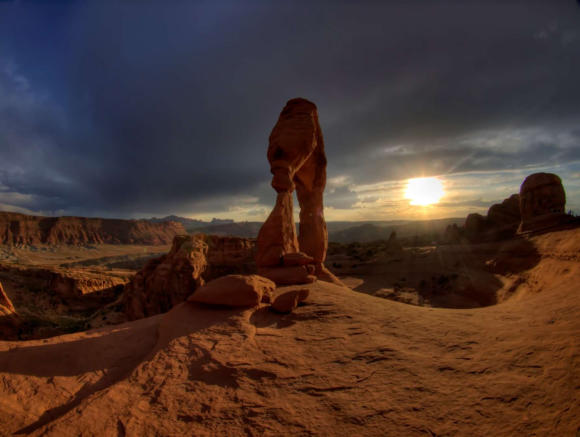
Final HDR image based on the 5 image
s with
different exposure
s
HDR processing
using
Photomatix
Pro
7.1
Pictures
were
taken with an
old
camera
Olympus
E-330,
on a tripod,
and
the exposure
time
was changed
manually
between
each pictu
re
,
and
stored
as normal,
underexpos
ed,
and
overexposed
photos.








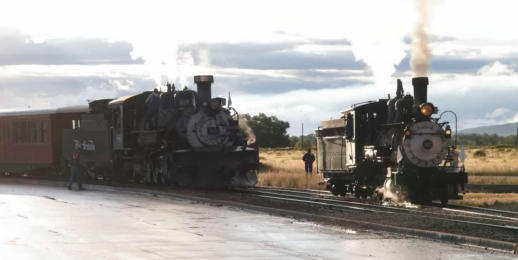
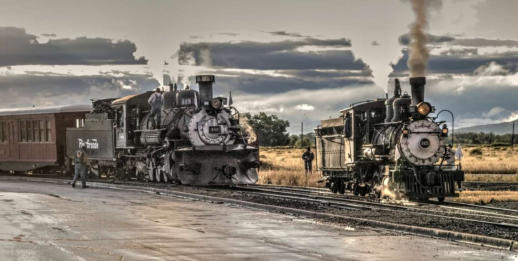
HDR on a single (raw)
picture
using Photomat
ix
Pro 7.1.4
From the original pict
ure,
under-
and
overexposed
pict
ur
es are generated
internally
by the program,
and t
hen merged to a HDR
pict
ur
e.
The quality
of the result may
var
y.









Cameras and software us
ed for FS
and HDR images
•
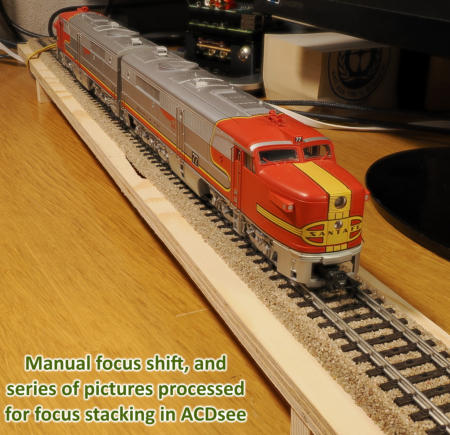
For the focus-stacked images,
I
have
used
a new camera OM-System
OM-1
Mark
II.
•
The shooting
of the
series
of pictures
with different
focus settings
is
automatically
adjusted
by the
camera
with a minimum
delay
time.
Hence,
in this
mode the pictures
can be
taken with the camera
handheld.
The speed
depends
mainly
on the camera’s
processor
and on the lens speed
for setting
the
focus.
•
Processing
of the series
of pictures
is done either
internally
in the camera or externally
in a
modern photo processing
program.
I
typically
use
ACDsee
Photo Studio
Ultimate.
There
are other programs
available
for even
’higher
quality’
focus-stacking
processing,
such as
Zerene
or Helicon
(
not free) or Focus-Stack
(
free on GitHub).
•
High dynamic range
pictures
can also
be shot and processed
with
the new camera
while
handheld. W
ith an older camera
(
as my Olympus
E-330) a series
of images
was
taken
while
adjusting
the exposure
time
manually
(
camera must be on a tripod)
from
one shot
to
the
next.
•
From my experience,
the best
software
program
available
is
the Photomatix
Pro 6 or
7.
With this
program
the
HDR
picture
can be fine-tuned,
that
is
not available
in the camera.







Enhanc
ed photo
processing,
us
ing
advanced
algorithms
IN MODERN
CAMERAS
AND OFFLINE
PROCESSING
JCB, 20
May 2026







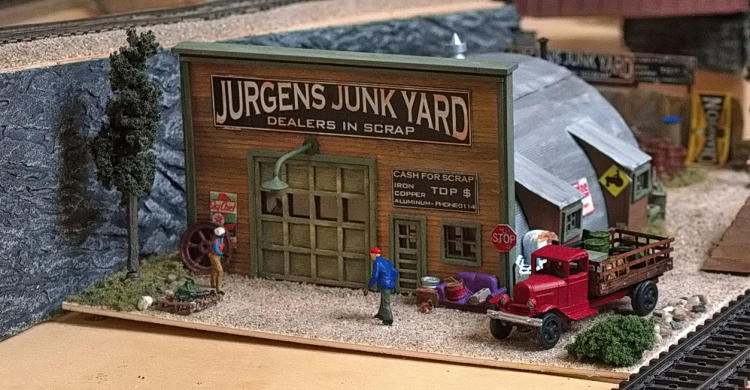
Focus
Bracket
ing and Fo
cus
Stacking
Bot
h techni
ques are used mainly
in near field
or close-up
phot
ography to exte
nd the
picture’s depth of field
(
DOF),
while keeping a large lens
aperture (
short DOF).
For focus
br
acketing the came
ra will
take a predefined ser
ies of pi
ctures
of the same
obj
ect or scene,
while shifting the focus in-betw
een the pictur
es w
ith a selectable
interval.
The camera
will
start with the focused
on parts of the object closest to the lens,
and shift
the focus
gradually
to parts further away from the lens,
i.e. from ‘front’ to ‘back’.
Focus
stacking
works
in
a simila
r way,
with the only
difference that the ca
mera starts a
focusing somewhat closer
to the lens as the closest
part of the object.
Normally
an initial or reference focus position is
adjusted manua
lly.
After the series of pictures
(
typ. 10) a
re stored in the camera’s memory,
the in-
camera
processing starts (
w
hen available).
As
result a single
picture is obtained,
wher
e the DOF
covers
the total depth of the photographed object.
If
the camera does not have
this processing
capabilities,
the series of pictures can be
processed
using
an external photo processing
program.
Several
algorithms
for
detecting
the
focus
position
in
each
pi
ctu
re
have
been
developed,
and
all
are
mathematically
quite
complica
ted:
gradients,
fourier
and
w
avelets
transforms, ga
uss
ian
f
ilteri
ng,
…